

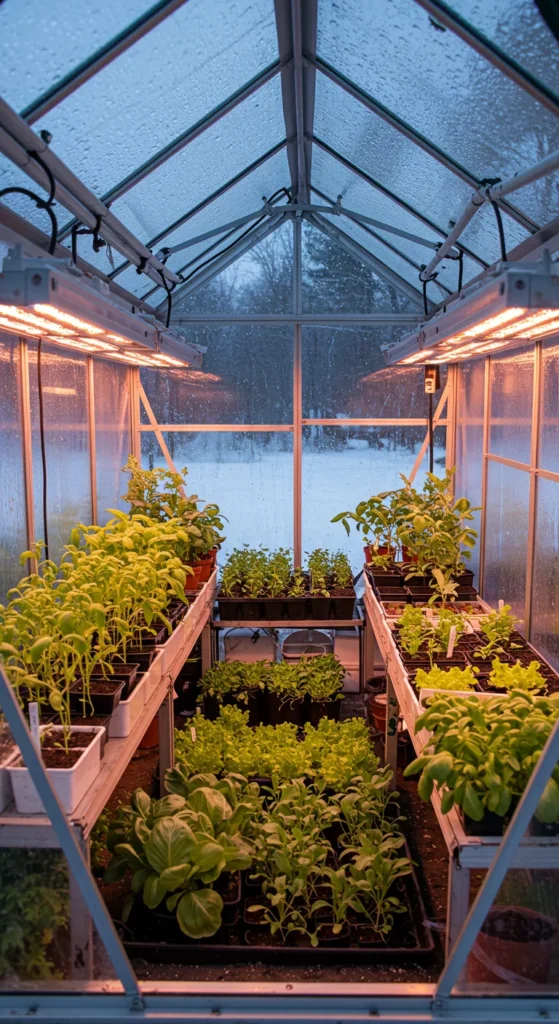
Growing in a greenhouse during the colder months can feel like pure magic. While frost coats the ground outside, your little indoor garden can stay alive, productive, and thriving. With a few smart strategies, you can keep harvesting fresh produce, herbs, and flowers all season long without spending a fortune. These 22 greenhouse gardening ideas for winter are practical, affordable, and easy enough for any gardener to try.
1. Insulate with Bubble Wrap
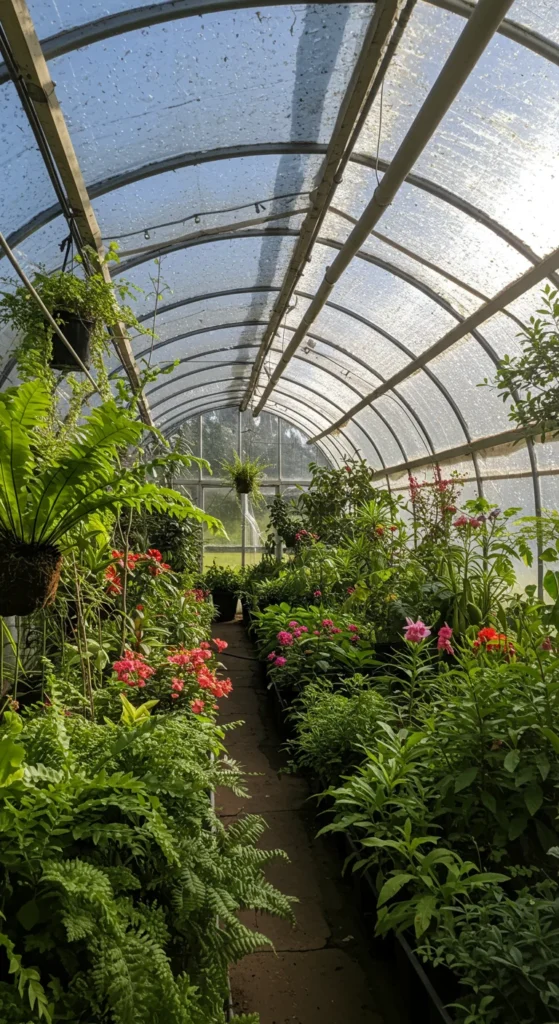
Bubble wrap works surprisingly well as insulation for greenhouses. It traps heat inside, keeping your plants warmer during frosty nights. Attach large sheets to the inside of your greenhouse walls using clips or tape. You don’t need the expensive kind—standard packaging wrap works fine. Make sure to cover as much surface area as possible while leaving vents for airflow. This low-cost trick can extend your growing season without high heating bills.
2. Add Thermal Mass with Water Barrels
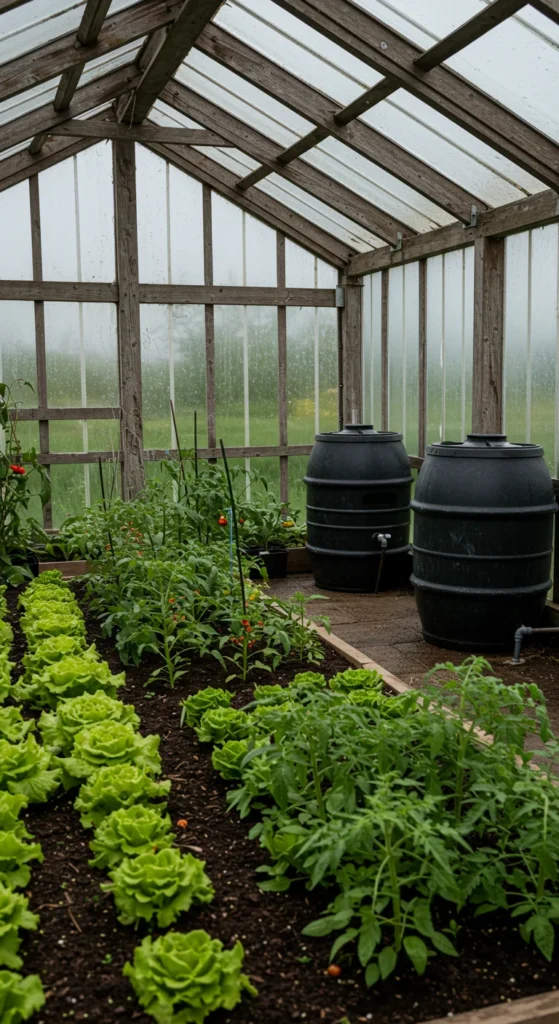
Water barrels act like a natural heating system. Fill dark containers with water and place them inside your greenhouse. During the day, the water absorbs heat from the sun. At night, it slowly releases warmth back into the air. This simple technique helps keep the temperature steady, protecting your crops from sudden cold drops. You can even stack smaller jugs around tender plants for extra protection.
3. Use Row Covers Inside the Greenhouse
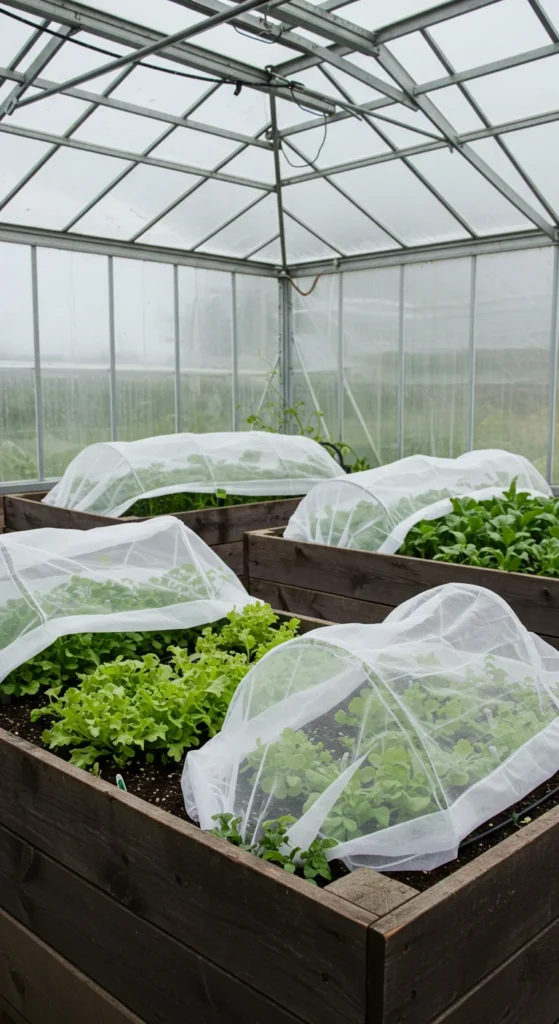
Double up on protection by adding row covers inside the greenhouse. Fabric covers shield plants from the cold and trap extra warmth. This method creates a “greenhouse within a greenhouse.” It’s especially helpful for delicate greens like spinach and lettuce. Use hoops or simple wire supports to keep the fabric from touching leaves. This is an inexpensive way to keep crops thriving through freezing nights.
4. Choose Cold-Hardy Crops
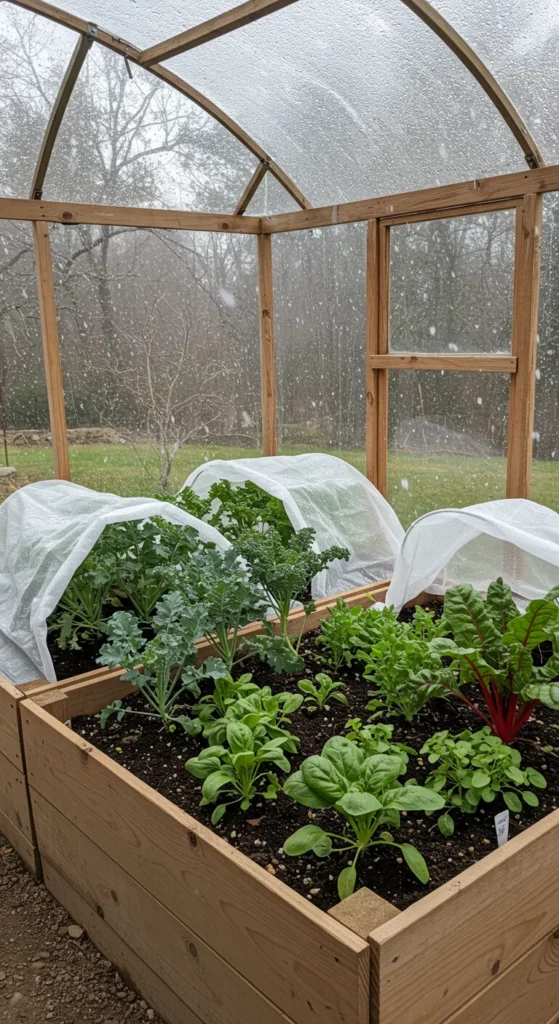
Not all plants handle winter well. Stick to cold-hardy crops that thrive in lower temperatures. Kale, spinach, chard, mache, and Asian greens are all excellent choices. Root crops like carrots and radishes also perform well. By planting varieties that naturally tolerate cold, you’ll save energy and stress. Plus, these greens taste even sweeter after a light frost.
5. Install LED Grow Lights
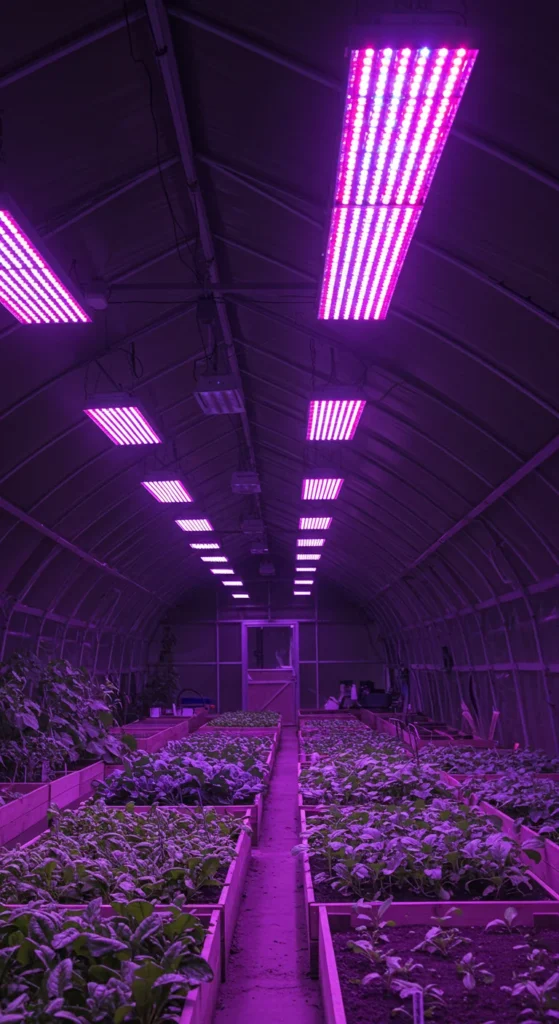
Winter days are short, which can limit plant growth. Adding LED grow lights helps extend daylight hours. Hang them above beds and run them for a few extra hours in the morning or evening. LED lights are energy-efficient and don’t generate too much heat. You’ll notice healthier, faster-growing crops, even during the darkest days.
6. Seal Drafts Around Doors and Windows
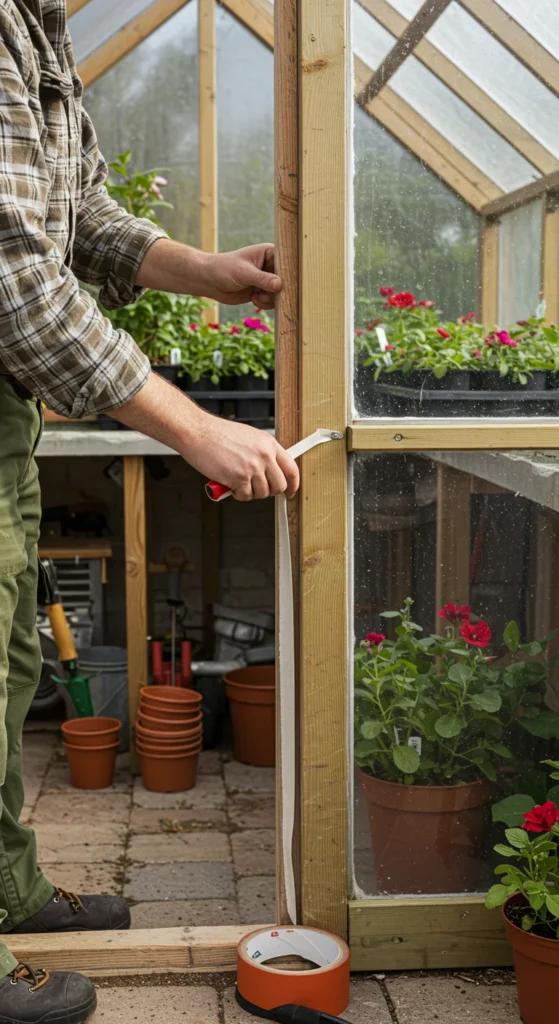
Drafts steal heat from your greenhouse. Walk around on a windy day to feel for air leaks. Use weather-stripping, caulk, or even old towels to seal gaps. A well-sealed greenhouse keeps warmth inside and reduces energy costs. This small maintenance step can make a huge difference in plant health during winter.
7. Layer Mulch Around Plants
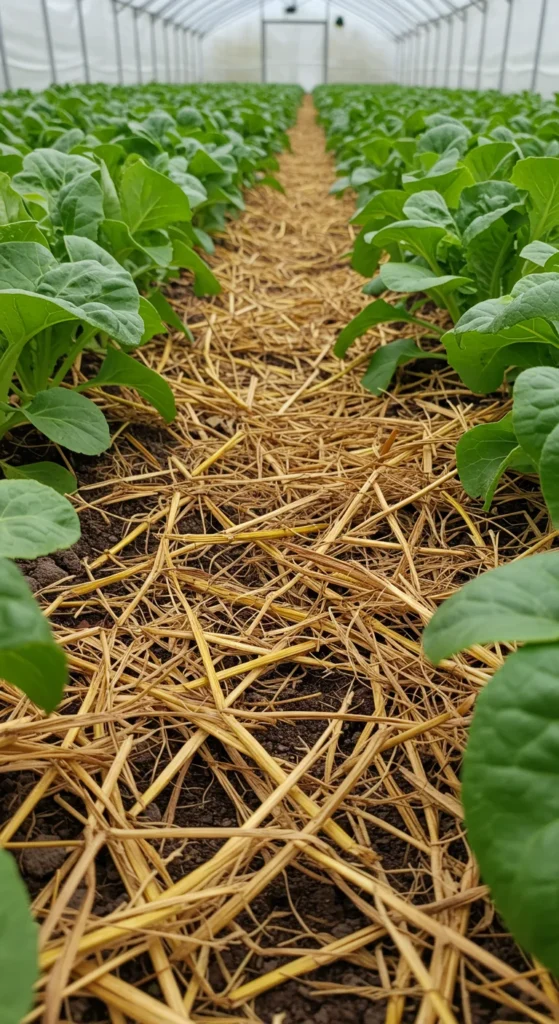
Mulch isn’t just for outdoor gardens—it works indoors too. Spread straw, shredded leaves, or wood chips around your plants. Mulch insulates the soil, keeping roots warmer for longer. It also reduces evaporation, so you won’t need to water as often. This simple habit helps crops survive cold spells and keeps soil healthier.
8. Add a Small Space Heater Safely
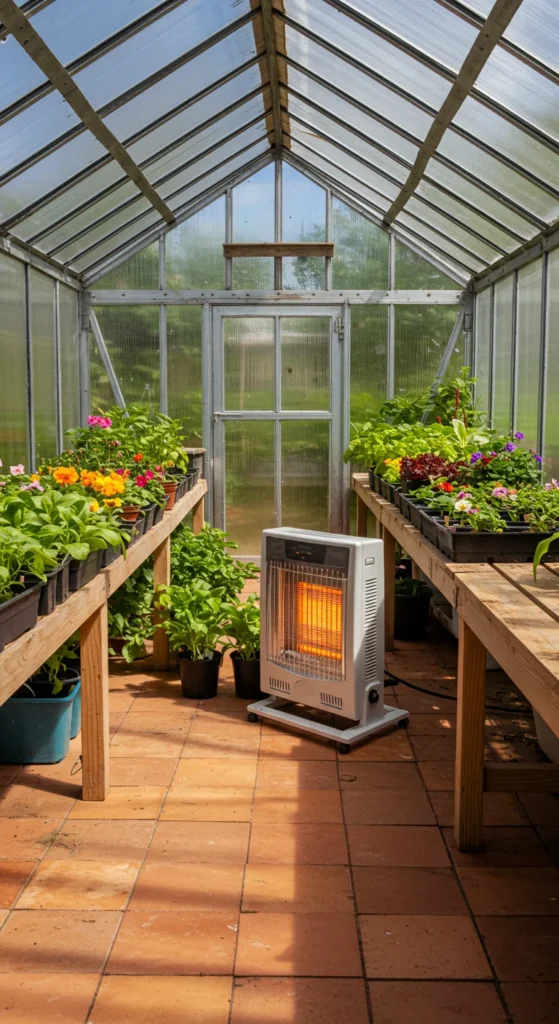
If you live in very cold regions, a small heater may be necessary. Choose a safe, energy-efficient heater designed for greenhouses or garages. Keep it away from water sources to avoid accidents. Run it only during the coldest nights to save electricity. Combined with insulation, a heater ensures your most sensitive crops survive through winter.
9. Use Heat Mats for Seed Trays
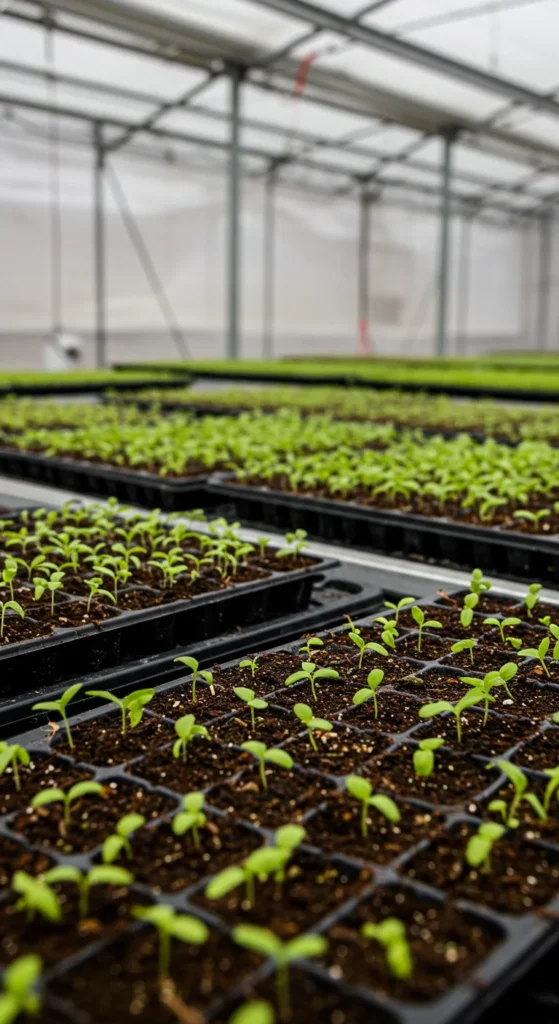
Heat mats gently warm the soil, making them perfect for seed starting. Place trays of lettuce, kale, or herbs on the mats. The steady warmth encourages faster germination even in chilly conditions. They use very little electricity and can be reused year after year. This is a great way to get a jump start on spring planting.
10. Ventilate on Sunny Days

Greenhouses can overheat quickly when the sun comes out. Even in winter, temps can soar above 90°F. Open vents or doors for a few hours to let heat escape. Proper ventilation prevents fungal diseases and keeps plants healthy. Remember: balance is key. Warmth at night, fresh airflow by day.
11. Create Raised Beds for Better Soil Warmth
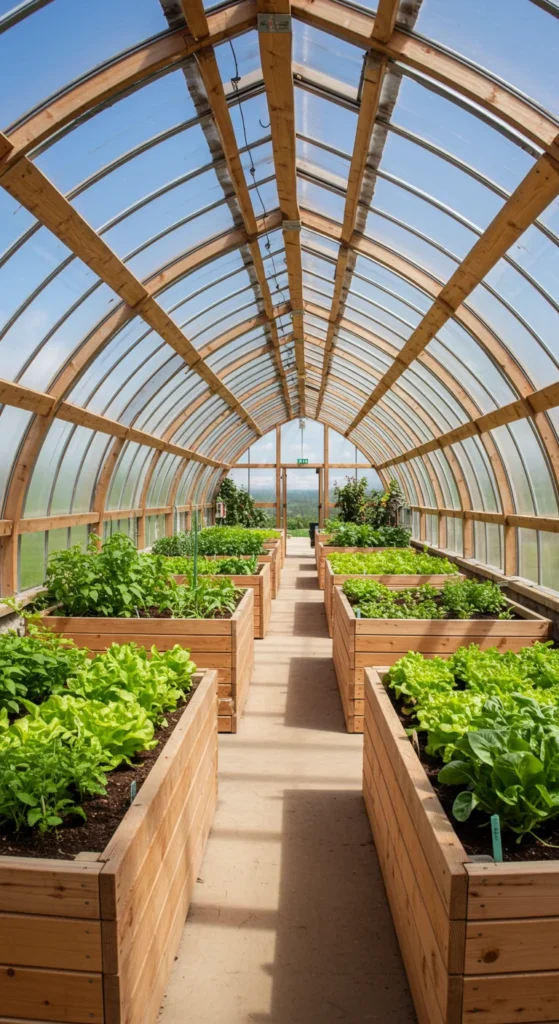
Raised beds warm up faster than ground soil. They also drain better, preventing root rot. Use untreated wood, bricks, or even cinder blocks to build simple beds. Fill them with a rich mix of compost and topsoil. The extra warmth and nutrients keep crops healthier through winter.
12. Try Vertical Gardening
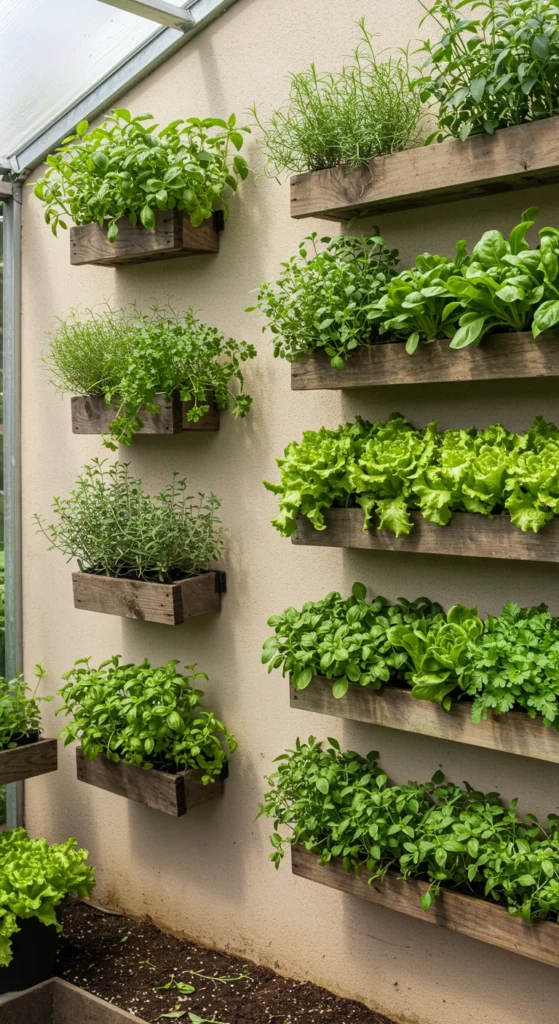
Make the most of limited space by growing vertically. Hanging planters, wall shelves, and stacked containers all work well. Herbs like basil, cilantro, and thyme grow beautifully this way. Vertical gardening not only saves space but also improves airflow around plants. It’s a creative and budget-friendly way to expand your winter harvest.
13. Use Reflective Surfaces
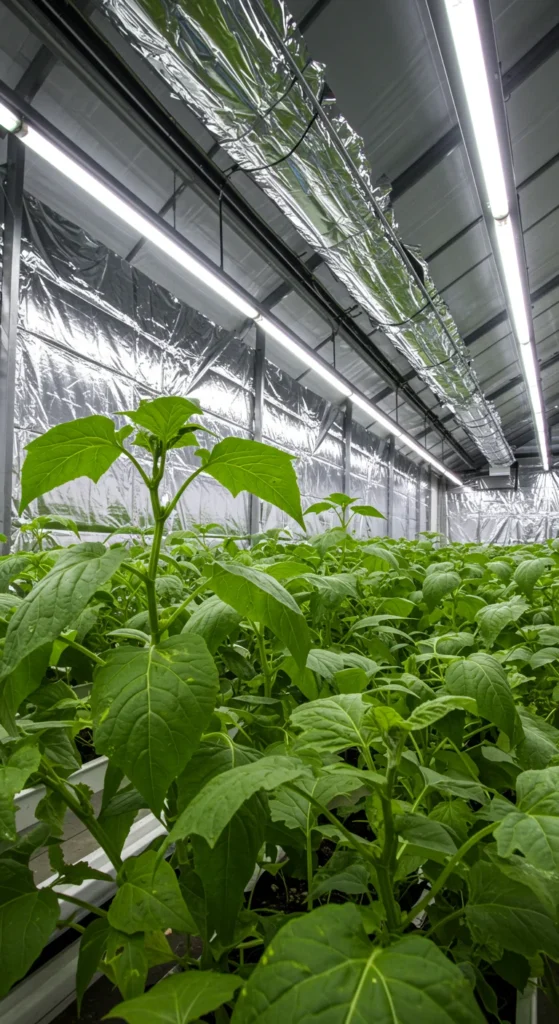
Light is precious in winter. Reflective surfaces help maximize it. Line walls with aluminum foil, reflective panels, or even white boards. These bounce sunlight and grow light back onto plants, giving them more energy. It’s a low-cost trick that helps greens grow fuller and healthier during darker months.
14. Grow Herbs in Pots for Flexibility
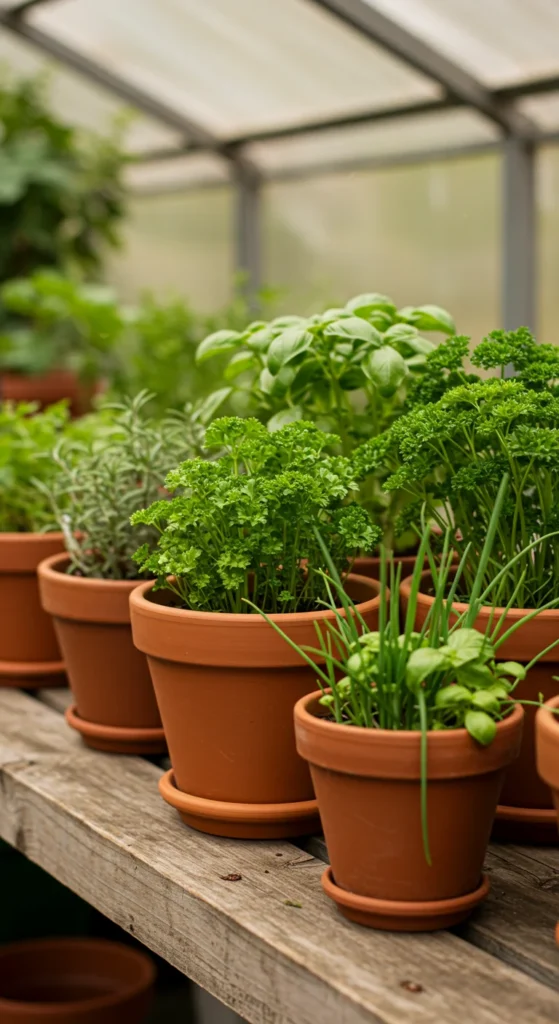
Herbs do wonderfully in pots inside a greenhouse. You can move them around depending on sunlight and warmth. Pots also make it easier to bring certain plants indoors if the greenhouse gets too cold. Start with hardy herbs like rosemary, thyme, and parsley for reliable winter flavor.
15. Add Compost Bins for Natural Heat
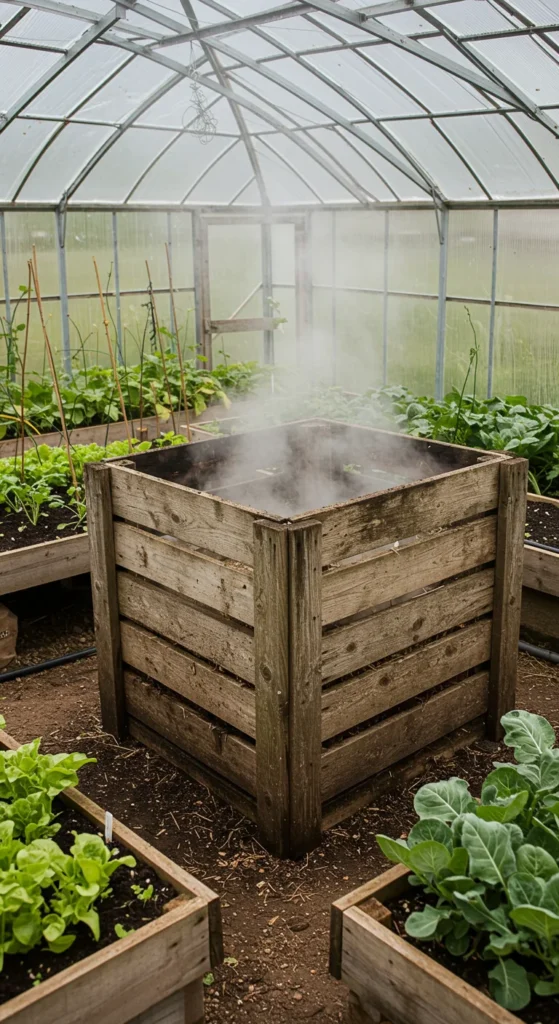
Compost piles naturally generate heat as they break down. Placing a bin inside the greenhouse creates a little warmth while also producing rich compost for spring. Just make sure the bin is covered to control moisture and smell. This method gives you two benefits at once: warmer air and homemade soil fertilizer.
16. Try Cold Frames Inside the Greenhouse
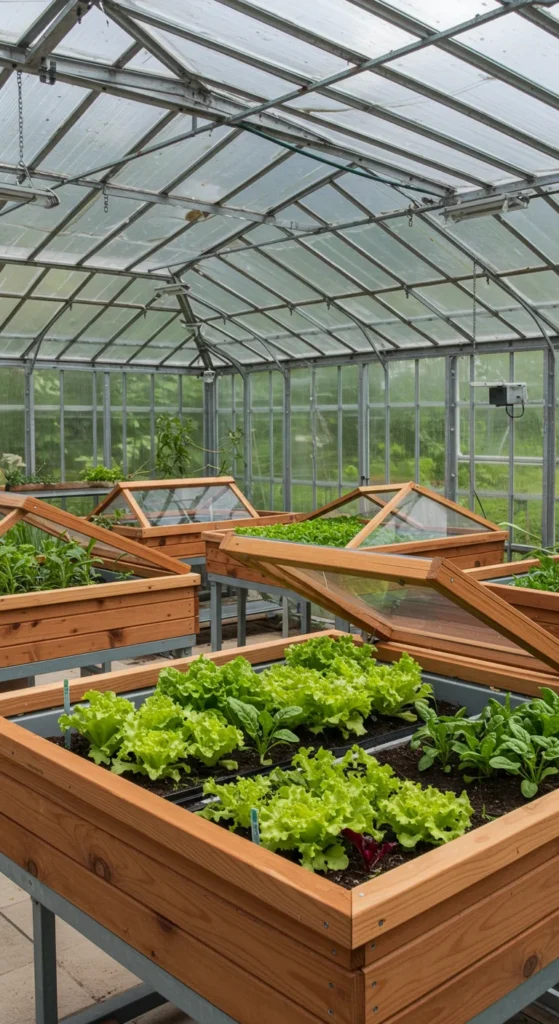
Cold frames act like mini greenhouses. Adding them inside your main structure gives double protection. They’re great for seedlings, lettuce, or young herbs. Build simple cold frames with old windows or clear plastic lids. This DIY trick is perfect for gardeners in freezing climates.
17. Keep Tools Inside the Greenhouse
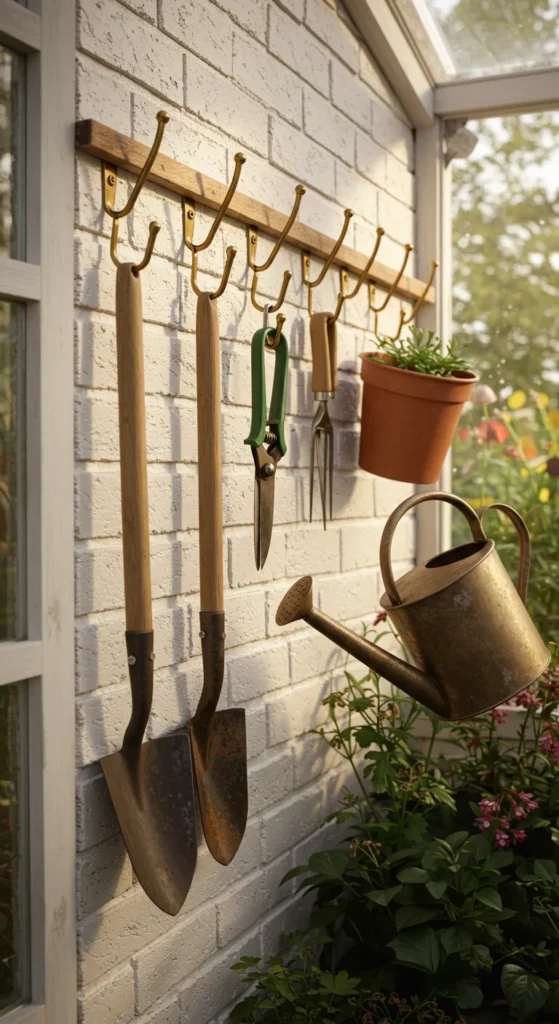
Cold metal tools are unpleasant to handle in winter. Store them inside the greenhouse so they stay warmer and last longer. Hanging tools on hooks also keeps the space organized. It’s a simple habit that makes winter gardening easier and more enjoyable.
18. Install a Simple Drip Irrigation System
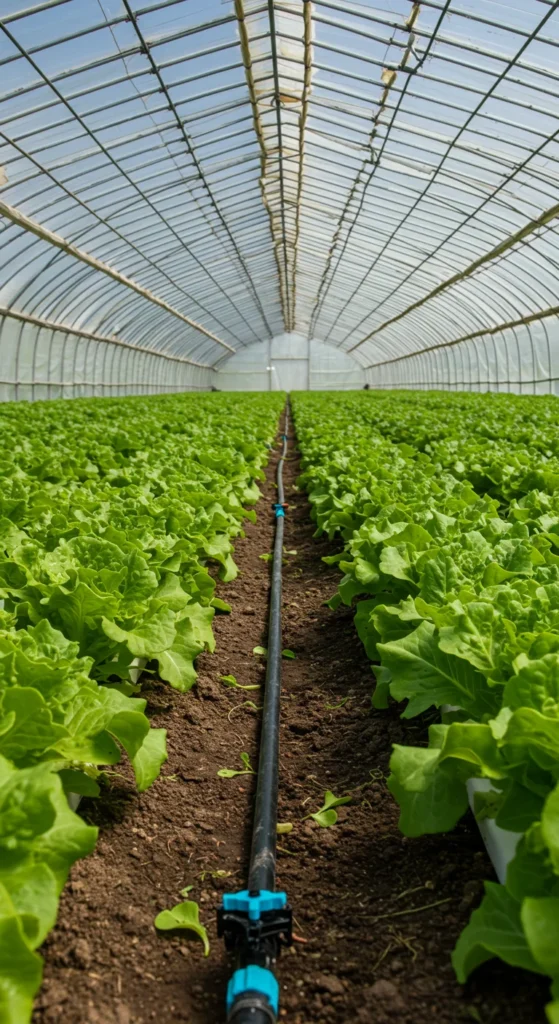
Even in winter, plants need consistent water. A basic drip irrigation system delivers it directly to the roots. It reduces waste and prevents soil from drying out too quickly. You can set up a system with tubing, connectors, and a small water source. This low-cost upgrade saves time and keeps plants healthy.
19. Keep Pollinators Active Inside
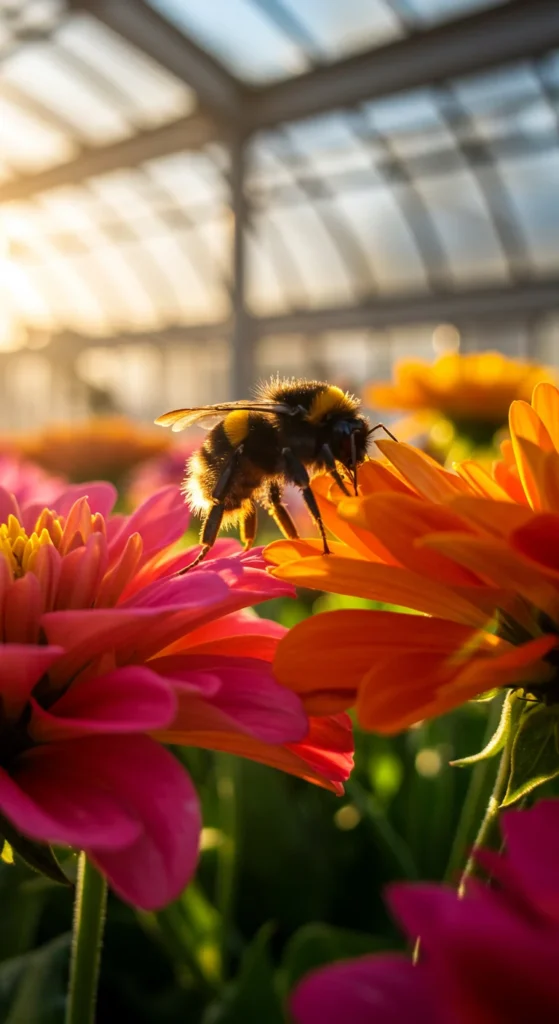
Pollination can slow down indoors. To keep fruiting plants producing, attract pollinators or hand-pollinate yourself. Grow flowering herbs like basil or lavender inside to encourage bees. If insects aren’t active, use a small paintbrush to move pollen between flowers. This little step ensures tomatoes, peppers, and cucumbers still fruit in winter.
20. Rotate Crops for Soil Health
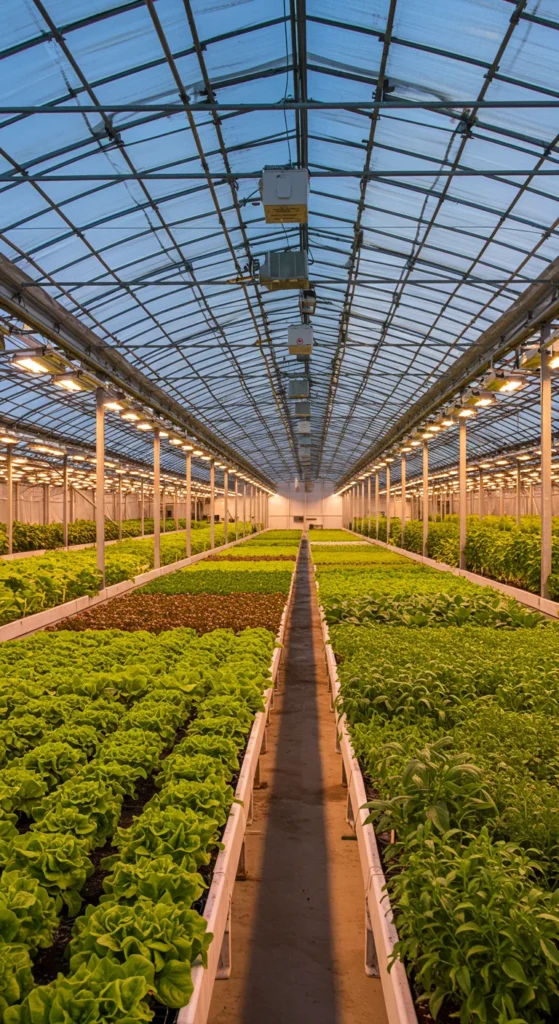
Don’t plant the same crop in the same spot every winter. Rotation prevents soil-borne diseases and improves fertility. Alternate leafy greens, root crops, and legumes in your beds. This practice helps maintain long-term soil health and keeps yields strong year after year.
21. Add Solar Lighting for Night Tasks
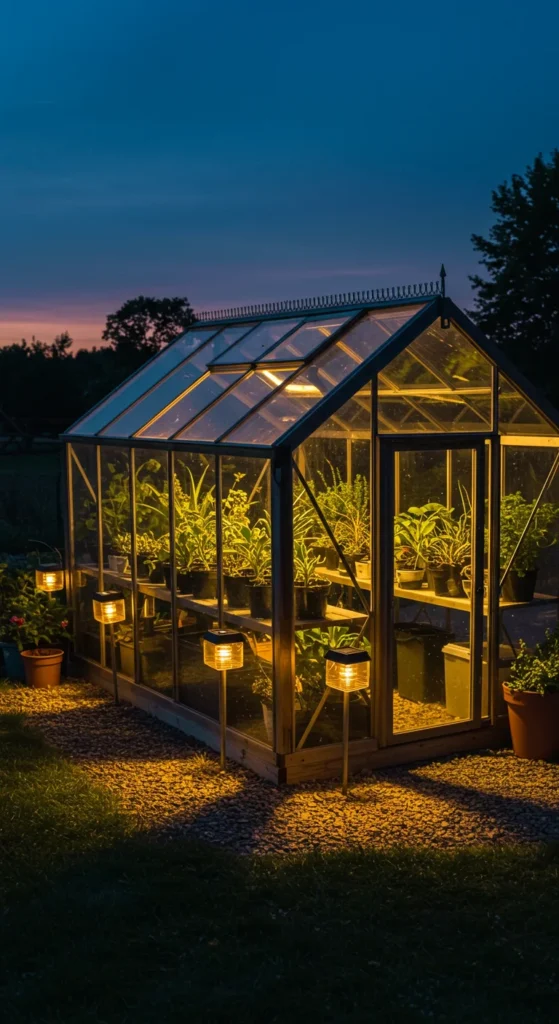
Short days mean less time to work in the greenhouse. Install solar lanterns or string lights powered by the sun. They charge during the day and light up automatically at night. This makes watering or harvesting in the evening much easier without raising electricity bills.
22. Keep a Winter Gardening Journal
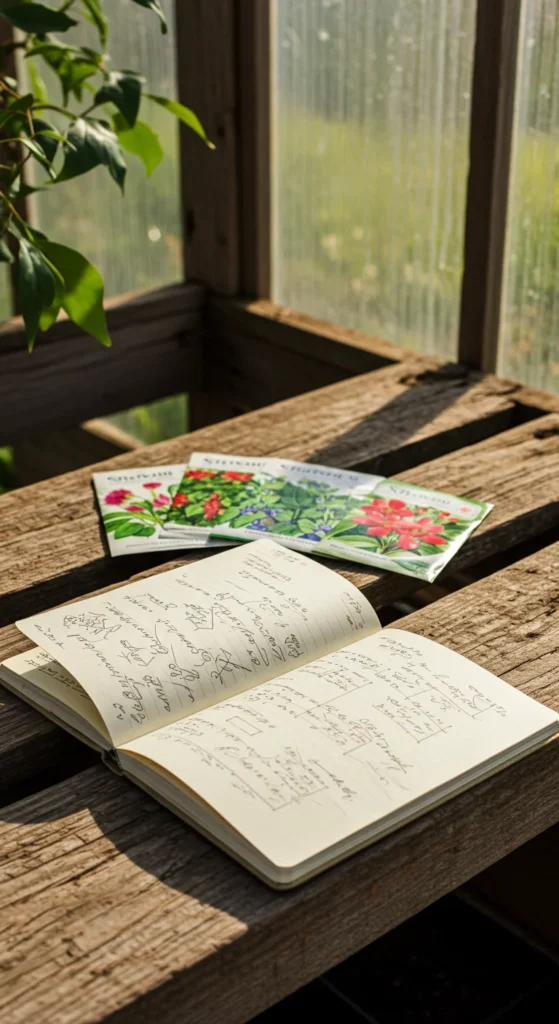
Track what works and what doesn’t in your greenhouse. Note temperatures, planting dates, and crop performance. A simple journal helps you improve each winter. You’ll learn which plants thrive, how much heat is needed, and which tricks save the most energy. Over time, your greenhouse will become more productive with less guesswork.
Conclusion
Greenhouse gardening in winter doesn’t have to be complicated or expensive. By combining insulation, smart crop choices, and a few low-cost tricks, you can keep your garden producing even when snow piles up outside. These 22 greenhouse gardening ideas give you practical, step-by-step ways to make your space warmer, brighter, and more efficient. Start with one or two, then build from there. Your winter harvest will reward you with crisp greens, tasty herbs, and the satisfaction of year-round growing.

Leave a Reply