

A garden that thrives year after year without constant replanting sounds like a dream—but with perennials, it’s completely possible. These enduring plants return every spring, bringing color, texture, and life to your yard with minimal effort. Once you plant them, they reward you for seasons to come.
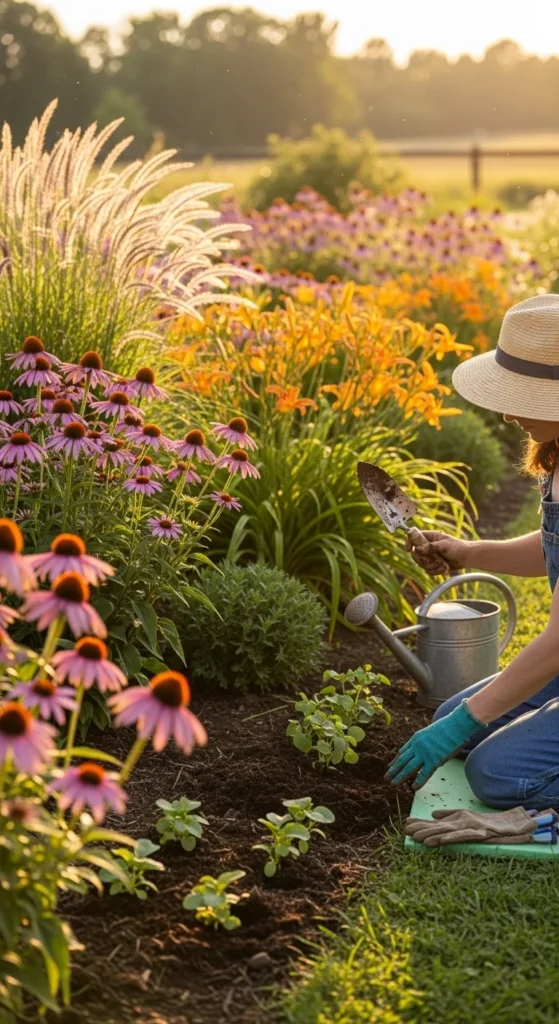
If you love the idea of a vibrant, easy-care garden that practically takes care of itself, it’s time to learn how to plant perennials the right way.
Step 1: Pick the Right Spot
Perennials are tough, but they still appreciate a good home. Before planting, take a few minutes to observe your yard. Notice how much sunlight each area gets throughout the day.
- Full sun – 6+ hours of direct sunlight (great for coneflowers, lavender, and black-eyed Susans)
- Partial sun/partial shade – 3–6 hours of sunlight (perfect for hostas or bleeding hearts)
- Full shade – less than 3 hours of sun (ideal for ferns and astilbes)
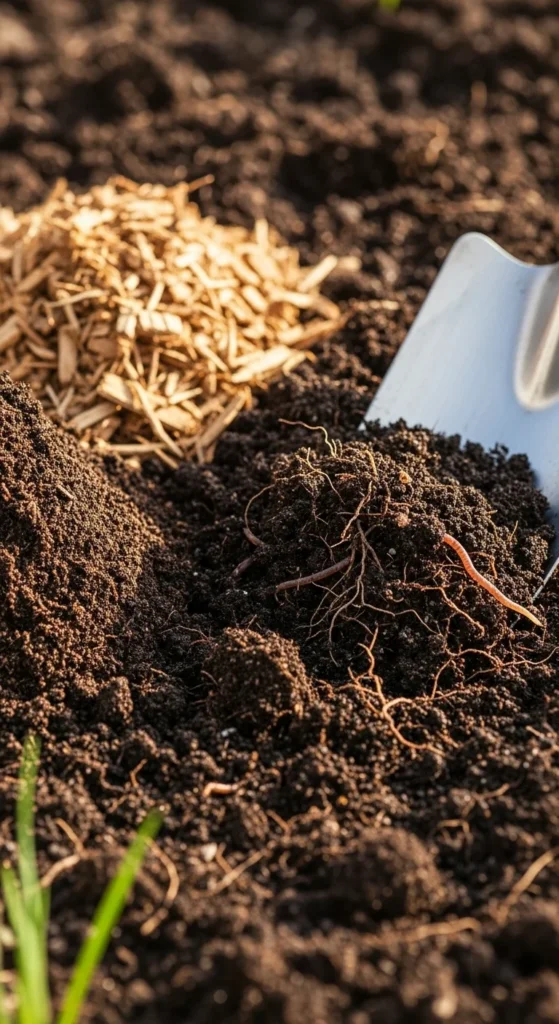
Soil quality matters too. Most perennials prefer well-draining soil. You can improve heavy clay or sandy soil by mixing in compost or organic matter.
Step 2: Choose Easy, Reliable Perennials
If you’re new to gardening, start with plants that thrive in many conditions. Choose varieties that fit your region and soil type for long-term success.
Beginner-Friendly Perennials:
- Daylilies – bloom all summer, need little care
- Coneflowers – drought-tolerant and attract butterflies
- Hostas – lush foliage for shady areas
- Sedum (Stonecrop) – loves heat and neglect
- Black-eyed Susans – bright, cheerful, and low effort
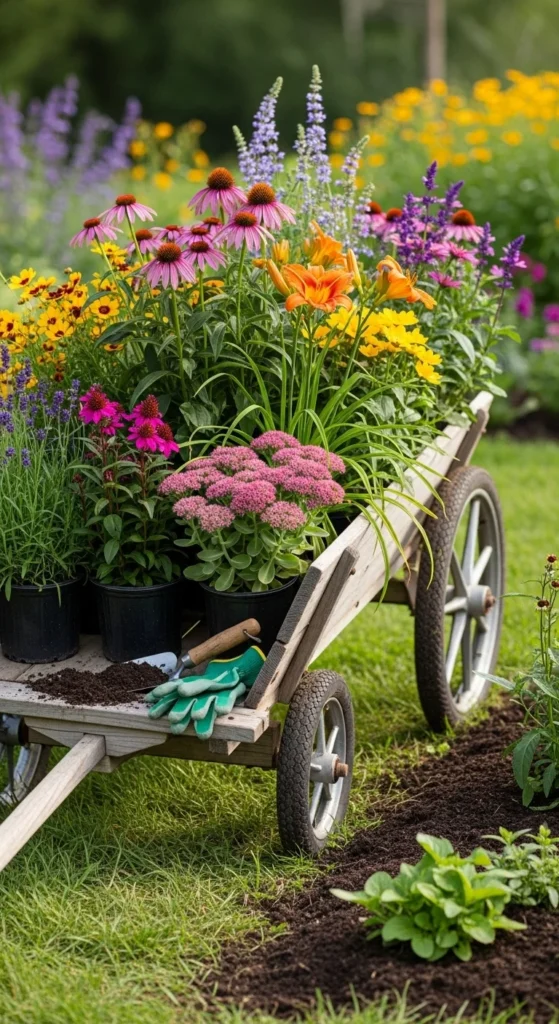
These plants are forgiving, resilient, and provide lasting beauty. Mix early bloomers with late bloomers so your garden stays colorful for months.
Step 3: Plant at the Perfect Time
The best times to plant perennials are spring and early fall. The mild weather helps roots establish before the extremes of summer or winter hit.
How to plant:
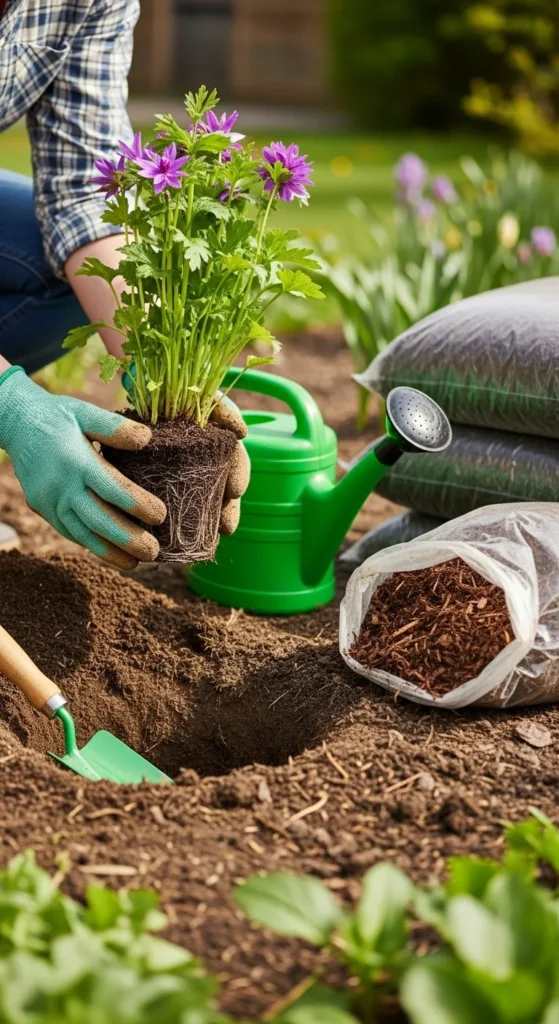
- Dig a hole twice as wide as the root ball but no deeper.
- Loosen the roots gently if they’re packed tight.
- Place the plant in the hole, keeping the crown (where stems meet roots) at soil level.
- Fill the hole and pat the soil lightly.
- Water thoroughly.
Add a layer of mulch around your plants to hold moisture and keep weeds at bay. Avoid piling mulch directly on stems—it can cause rot.
Step 4: Water Wisely and Watch Growth
During the first few weeks, your perennials need regular watering while their roots establish. Once they’re settled, they become much more self-sufficient.
General watering rule:
- About 1 inch of water per week, including rainfall.
- Deep watering is better than frequent shallow watering—it encourages roots to grow downward.
After the first season, many perennials are drought-tolerant and only need a drink during long dry spells.
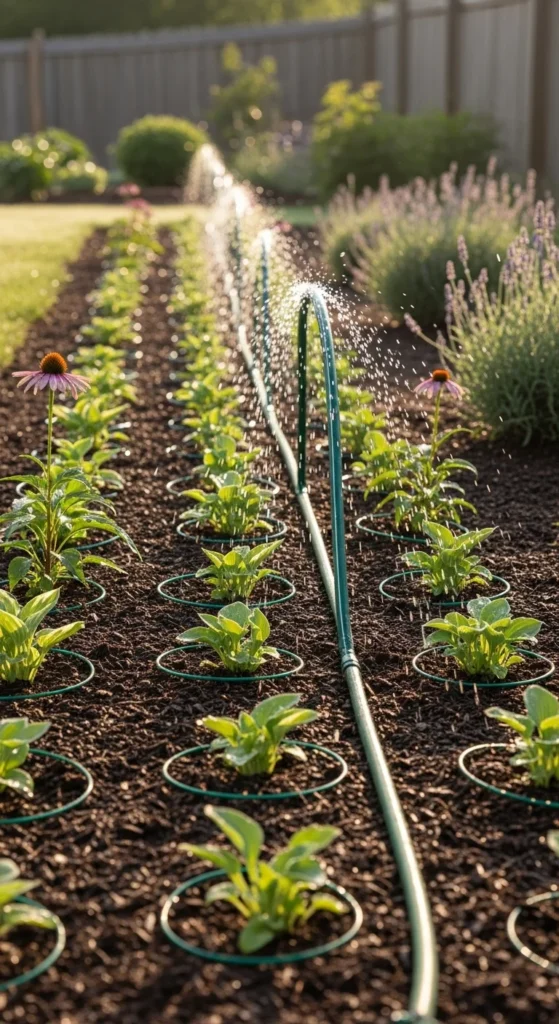
Tip: Use a soaker hose or drip irrigation system for even watering without wasting water.
Step 5: Keep Maintenance Simple
One of the best parts of growing perennials is how little work they require after the first year. Still, a few small tasks can keep your garden looking its best.
Quick Maintenance Tips:
- Deadhead spent blooms to encourage more flowers.
- Cut back plants in late fall or early spring to clear dead stems.
- Divide overcrowded clumps every few years to keep plants healthy and spread the beauty.
- Add mulch annually to retain moisture and keep weeds down.
Most perennials get stronger every season, rewarding your patience with more blooms and fuller growth.
Step 6: Design for Year-Round Appeal
Perennial gardens don’t have to look the same all year. With a bit of planning, you can have something blooming—or adding interest—in every season.
Try this mix:
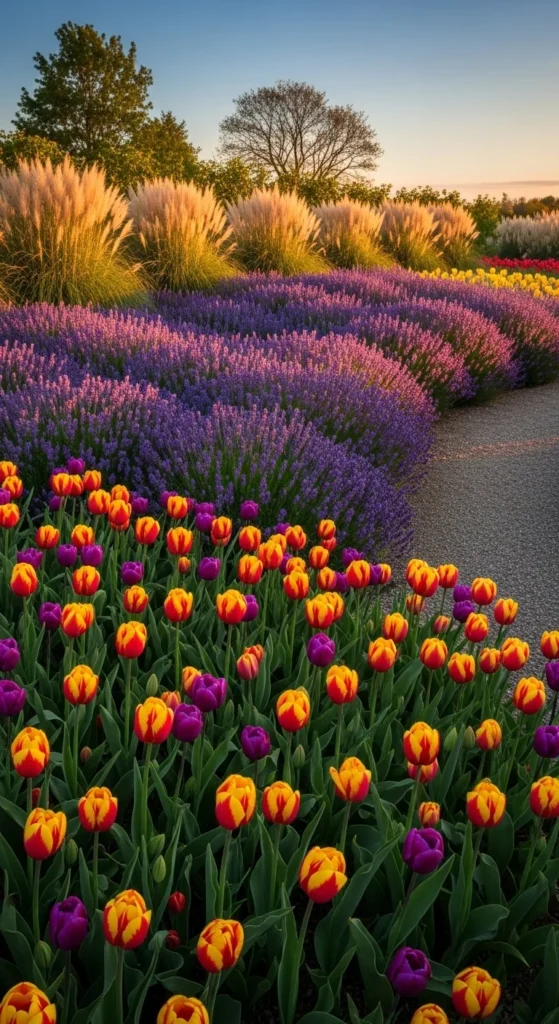
- Spring: Tulips, bleeding hearts, columbine
- Summer: Coneflowers, daisies, lavender
- Fall: Sedum, asters, ornamental grasses
- Winter: Evergreen shrubs, hellebores, seed heads for texture
This balance keeps your yard attractive no matter the month.
Step 7: Sit Back and Enjoy the View
After the initial setup, your garden starts taking care of itself. Perennials come back stronger each year, often multiplying and spreading naturally. All you need to do is sit back, relax, and admire the color, scent, and life they bring.
They’re not just beautiful—they also attract butterflies, bees, and birds, turning your yard into a thriving ecosystem.
Final Takeaway
Planting perennials is one of the smartest gardening decisions you can make. They offer long-lasting color, reduce maintenance, and reward you with beauty every season.
Start small—plant a few this year—and watch your garden grow into a timeless, low-maintenance masterpiece.
Save this guide for later and get ready to enjoy a yard that blooms again and again—without the hassle.
Leave a Reply