

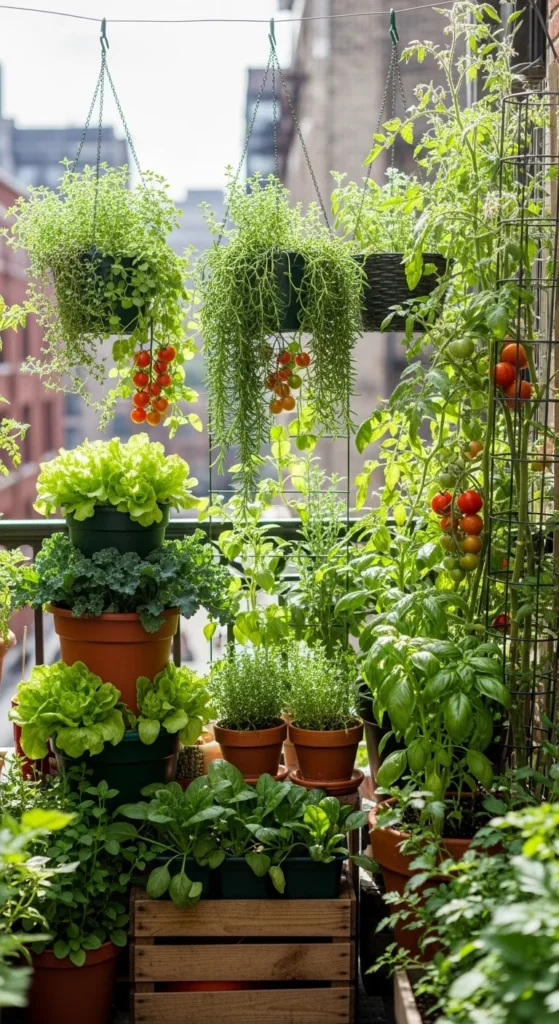
Gardening in a small space doesn’t mean giving up on big harvests. With the right tricks, even a balcony, patio, or narrow strip of yard can produce a surprising amount of food. Whether you’re growing on a windowsill or squeezing containers into every corner, these clever ideas will help you make the most of every inch. From vertical setups to hidden storage planters, let’s explore practical ways to grow more without needing more land.
1. Use Vertical Planters
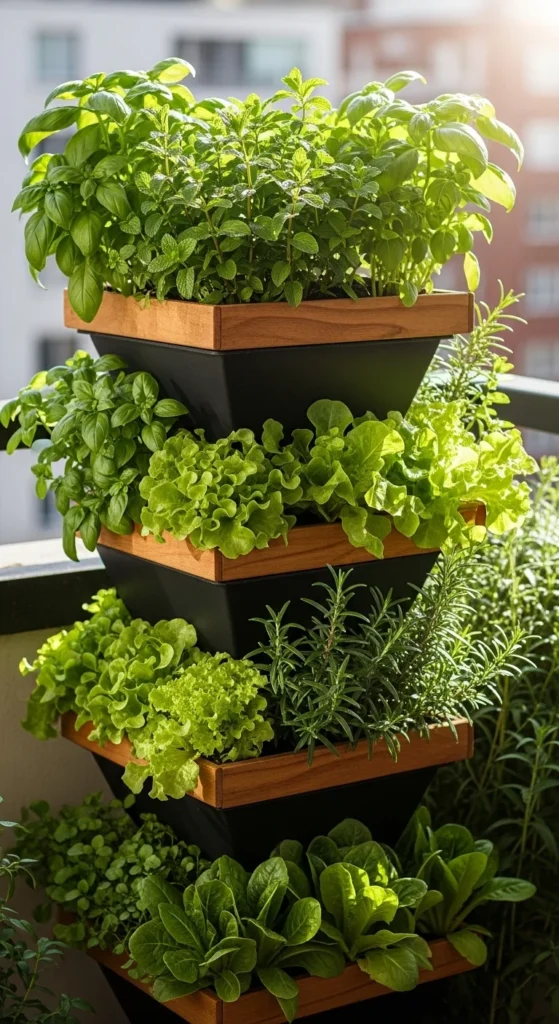
Vertical planters are a space-saving miracle. Instead of spreading plants across the ground, grow upward. You can buy ready-made stackable planters or build one using recycled wood or old crates. Place herbs, leafy greens, and strawberries in each layer. The top gets the most light, while lower tiers stay cool—perfect for shade-loving plants. This simple setup lets you grow multiple crops in one compact footprint.
2. Hang Baskets from Railings
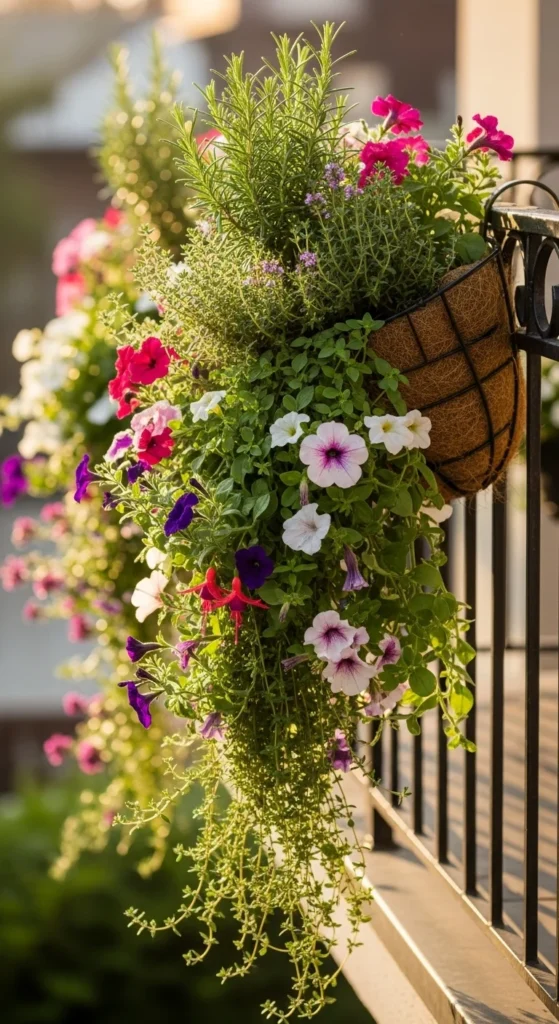
Hanging baskets turn unused airspace into growing real estate. Choose lightweight baskets lined with coconut coir to retain moisture. Grow herbs like basil and mint or compact vegetables such as cherry tomatoes. Make sure to water daily since baskets dry faster than ground soil. Mixing flowers and edibles adds color while attracting pollinators, even in high-rise settings.
3. Grow Herbs Indoors Near a Sunny Window
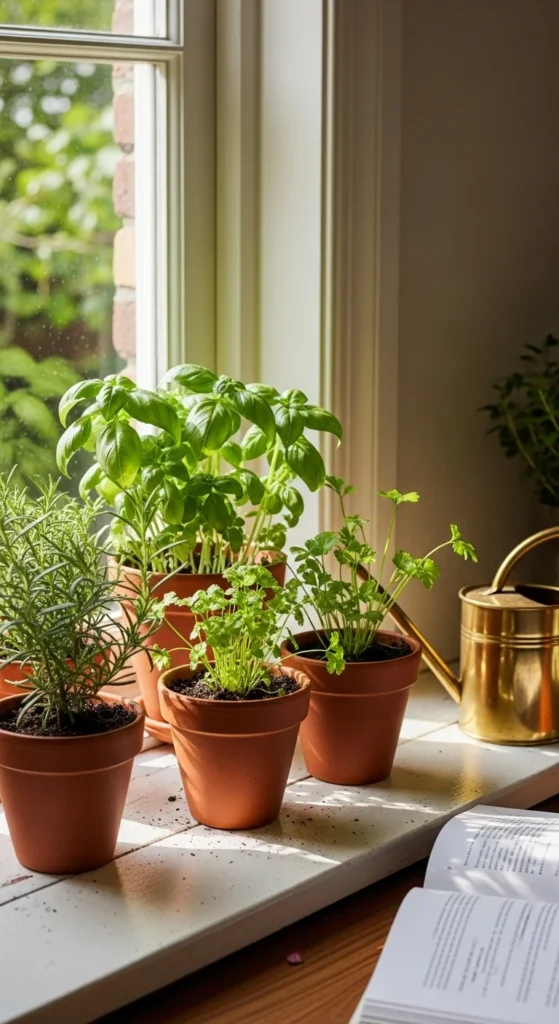
If your outdoor space is limited, grow herbs indoors. Place small pots near a sunny window—south-facing if possible. Herbs like thyme, basil, and chives thrive with 4–6 hours of sunlight. Rotate the pots weekly for even growth. You’ll save space and always have fresh flavor within arm’s reach. For a fun DIY touch, label pots using chalk paint for easy plant identification.
4. Stack Crates for a DIY Planter Tower
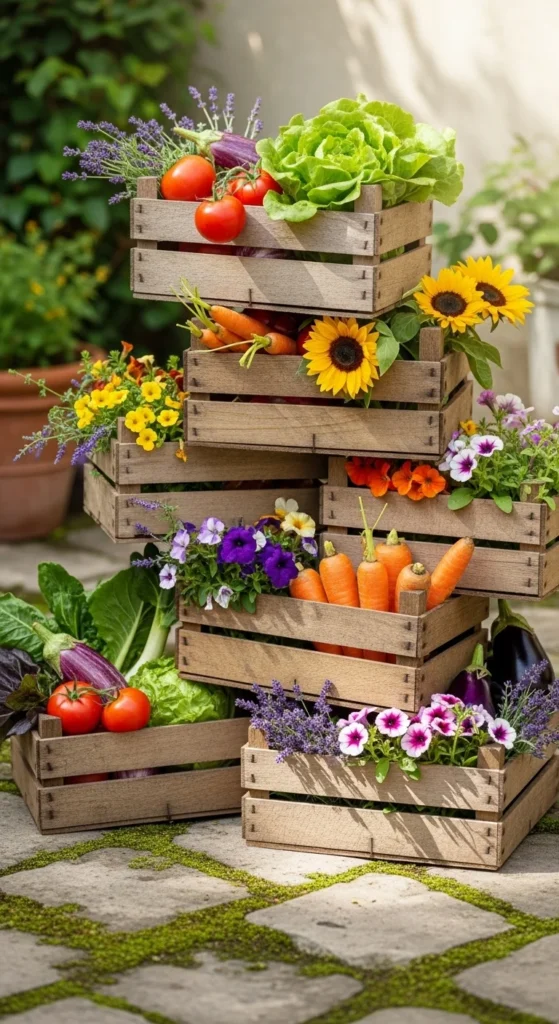
Wooden crates can easily transform into a rustic planter tower. Stack them in alternating directions for stability and fill with soil and compost. Each crate becomes a planting level. Try lettuce in the lower crates and peppers or tomatoes on top. This modular design makes rearranging plants simple—and it’s great for renters who can’t dig into the ground.
5. Reuse Plastic Bottles as Mini Greenhouses
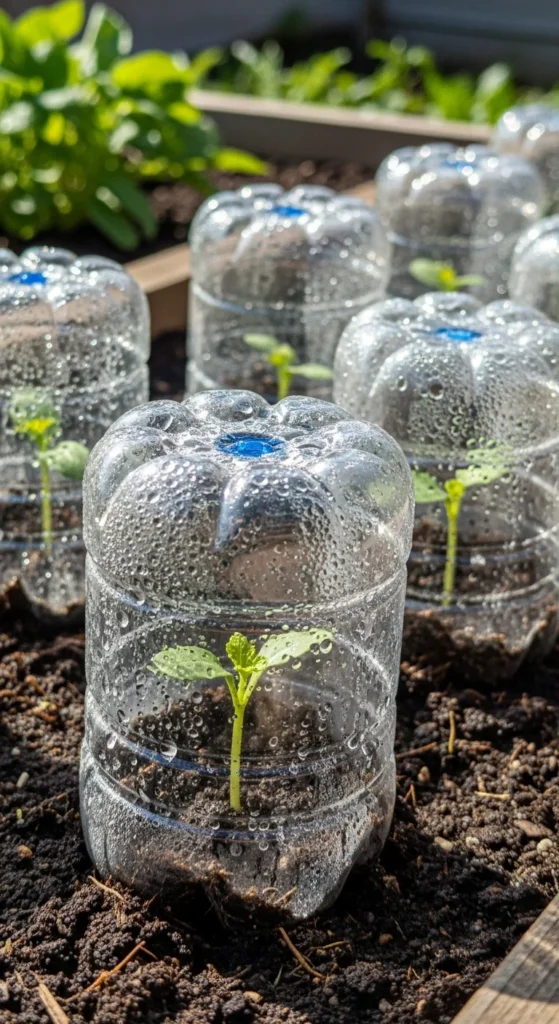
Cut large plastic bottles in half to create mini greenhouses for seedlings. The curved tops trap warmth and humidity, helping plants grow faster. Once the seedlings mature, remove the top half for ventilation. This hack recycles waste and reduces the need for fancy gardening supplies—ideal for anyone starting small gardens on a budget.
6. Build a Vertical Trellis for Climbing Plants
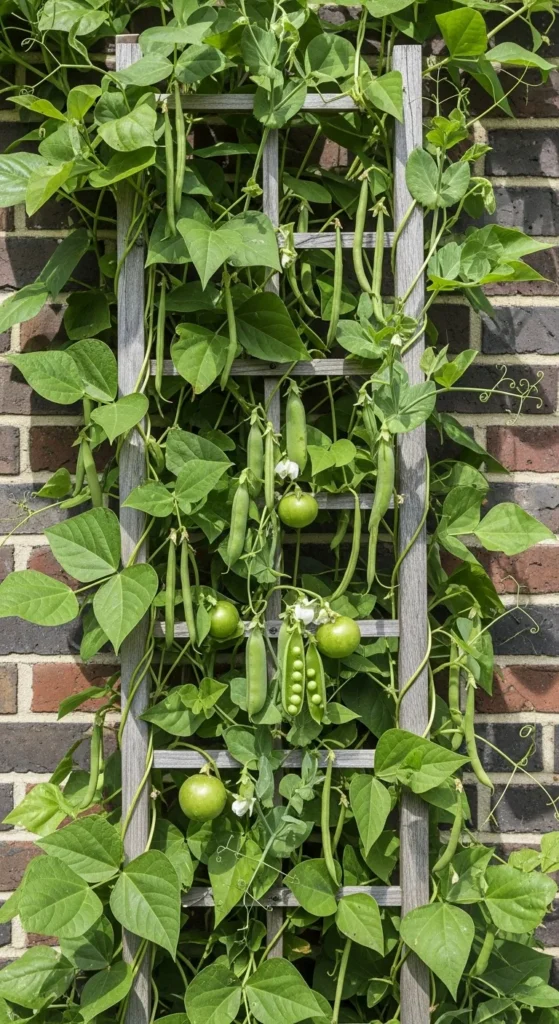
Install a vertical trellis along a wall or fence. It allows cucumbers, beans, and peas to climb vertically instead of sprawling. This not only saves space but also improves air circulation, reducing disease. Use nylon netting or wooden frames, whichever suits your setup. For tight balconies, a foldable trellis can be stored flat when not in use.
7. Choose Compact or Dwarf Varieties
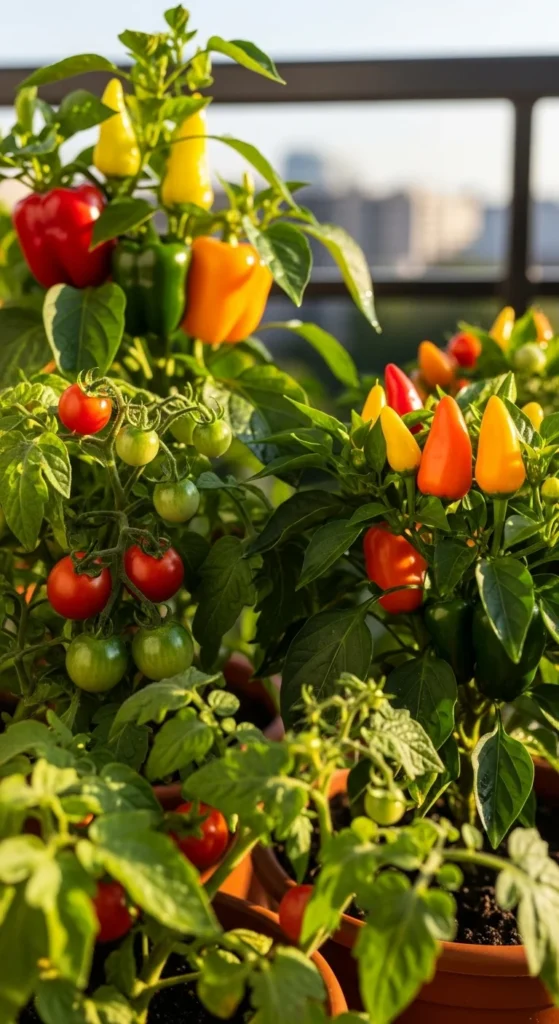
When space is limited, plant smaller varieties. Dwarf tomatoes, bush beans, and patio peppers are bred for containers. They produce well even in tight spots. Look for seed packets labeled “container-friendly” or “patio series.” Compact plants are easier to maintain, require less pruning, and still provide impressive yields.
8. Grow in Fabric Grow Bags
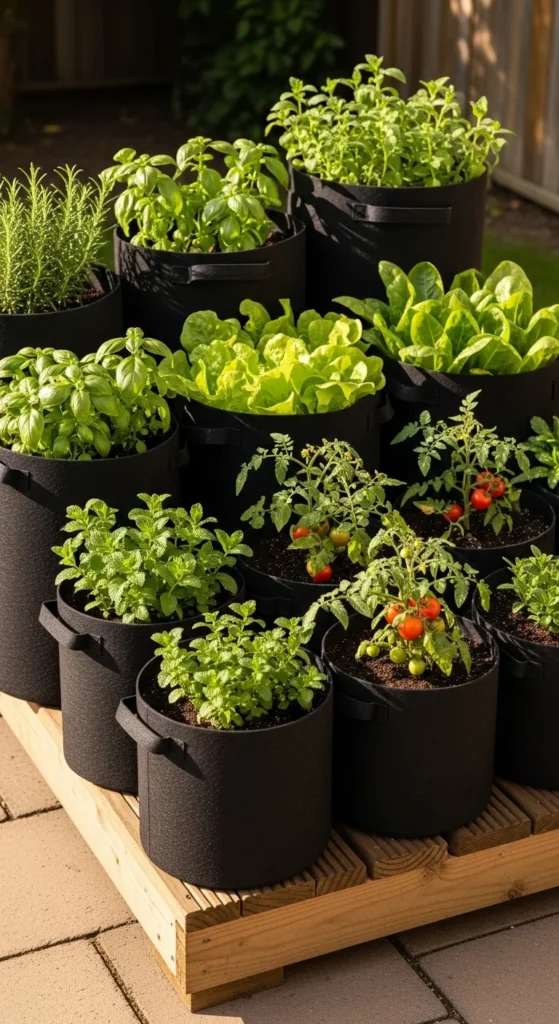
Fabric grow bags are portable and perfect for small patios. Their breathable design encourages healthy root systems and prevents waterlogging. When the season changes, you can move or fold them for storage. Try 5-gallon bags for tomatoes and 3-gallon ones for herbs. They’re affordable, durable, and easy to clean after each season.
9. Use Shelves for Tiered Gardening
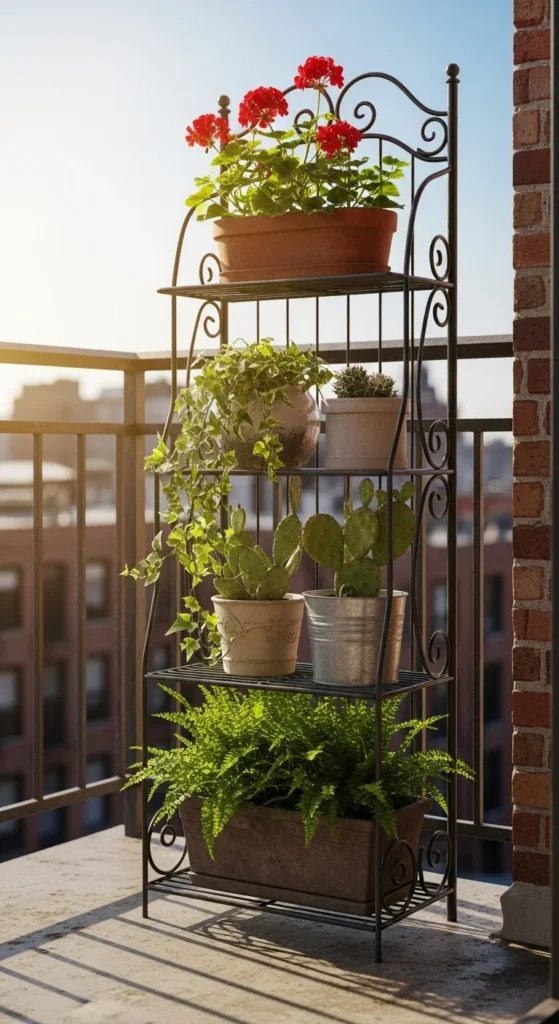
Turn a metal or wooden shelf into a garden station. Place smaller plants like lettuce and herbs on top tiers and heavier pots below. This creates layers of greenery while freeing up floor space. Add trays underneath to catch excess water. With a simple shelving setup, you can grow a surprising number of plants even on a narrow balcony.
10. Repurpose Pallets into Wall Gardens
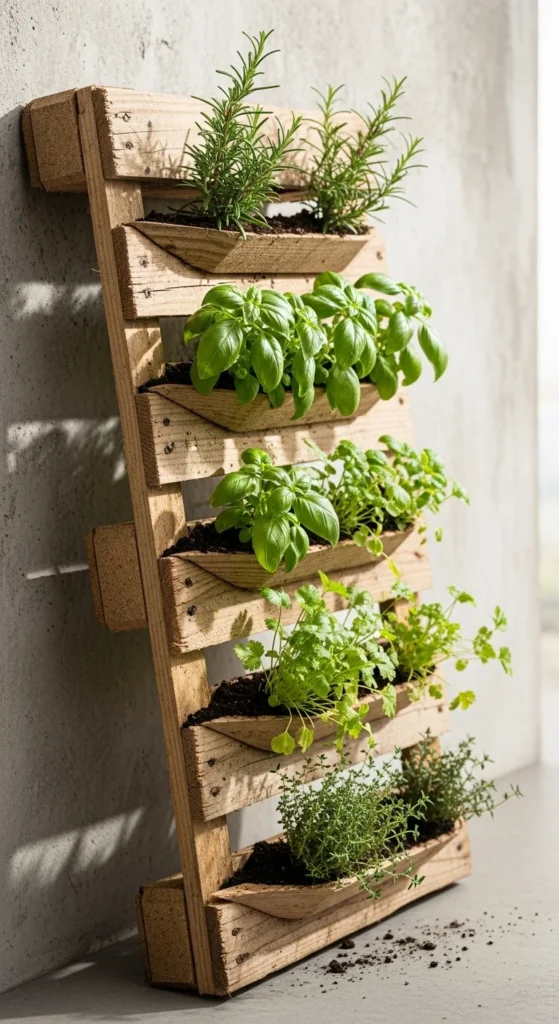
Old pallets make excellent vertical gardens. Sand them down, staple landscape fabric to the back, and fill the slats with soil. Add plants like lettuce, strawberries, or succulents. Pallets are often free and create a rustic look that fits any small space. Mount it on a wall or lean it against a fence for easy access.
11. Use Hanging Shoe Organizers
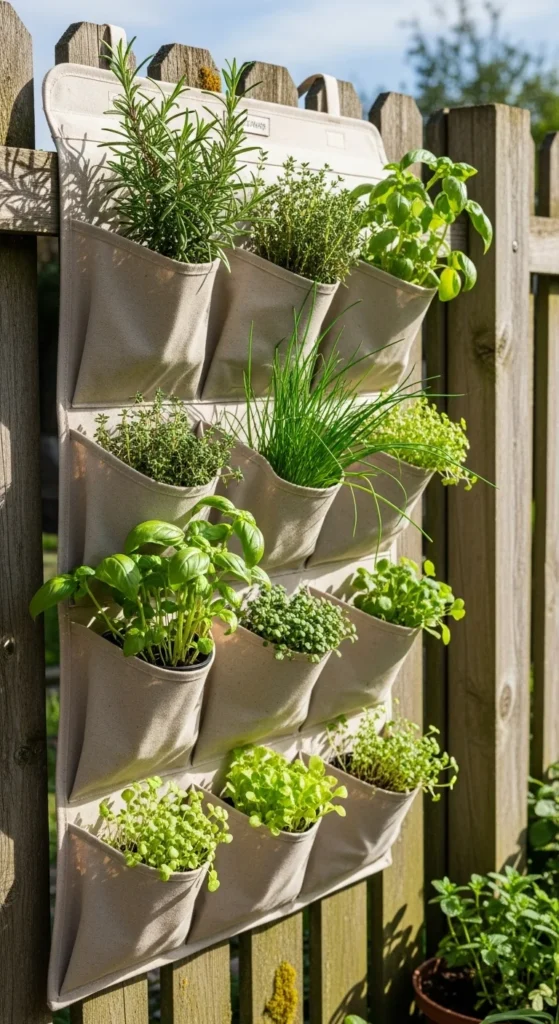
A fabric shoe organizer can double as a vertical planter. Fill each pocket with potting mix and insert herbs, lettuce, or flowers. Hang it near a sunny wall or balcony rail. Make sure to water gently to prevent overflow. It’s a fun, affordable way to grow many plants in less than two square feet.
12. Add Mirrors to Reflect Light
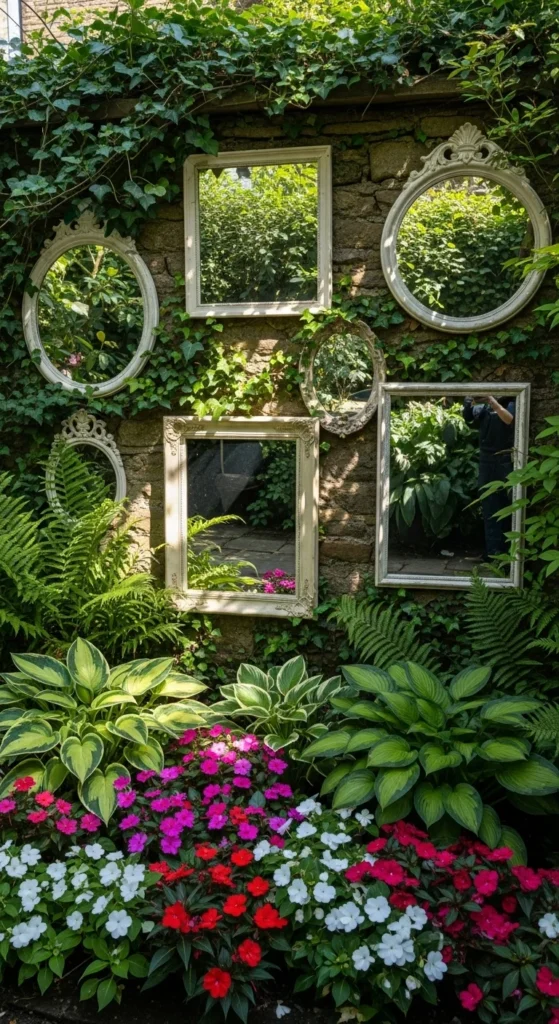
Mirrors can help brighten shady spaces. Mount them strategically to reflect sunlight onto darker corners. Use shatterproof outdoor mirrors or old framed ones sealed against moisture. The reflection not only enhances plant growth but also creates the illusion of a bigger garden. It’s an aesthetic and functional trick for tight patios or courtyards.
13. Grow Microgreens Indoors
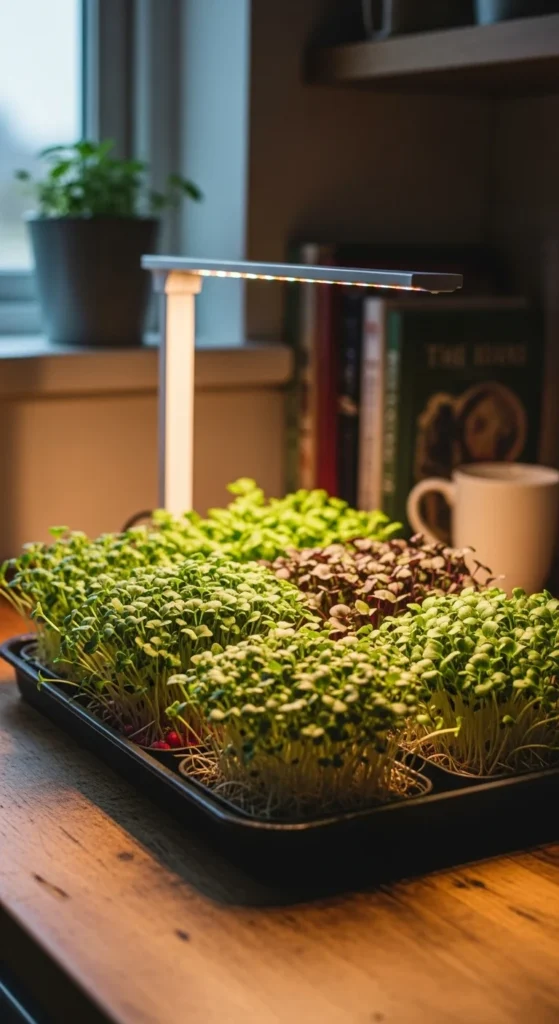
Microgreens are fast, compact, and nutrient-packed. You only need shallow trays, potting mix, and seeds. Place them near a window or under grow lights. In just 10 days, you’ll harvest greens for salads and sandwiches. It’s perfect for people with no outdoor space at all. Plus, reusing trays keeps this hobby sustainable and mess-free.
14. Try Square-Foot Gardening
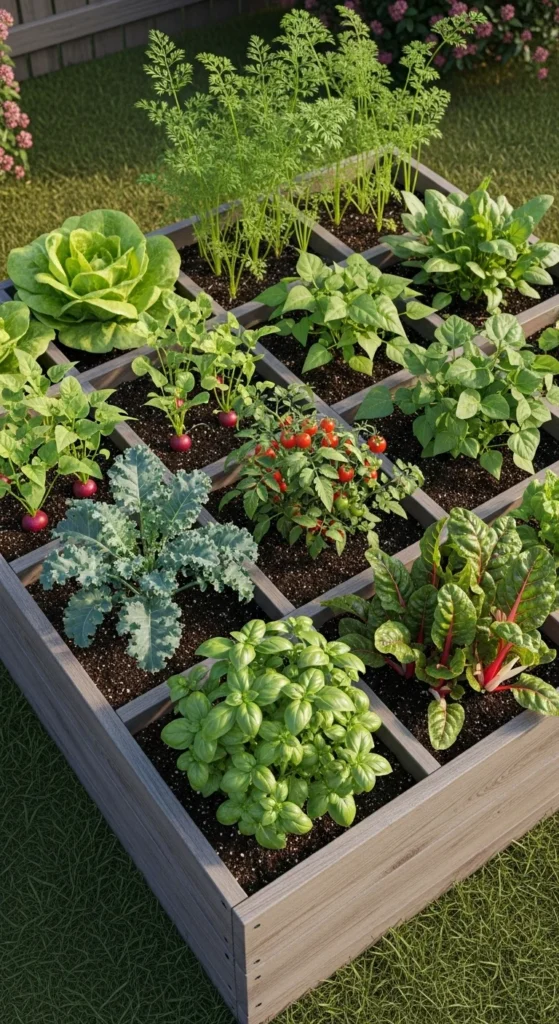
Square-foot gardening maximizes yield by dividing raised beds into equal squares. Each square holds a specific crop, minimizing wasted soil and space. Mix tall and short plants to use vertical height efficiently. It’s great for beginners who want structure and easy maintenance. Mark the sections with string or wood strips for a clean layout.
15. Grow Up Fences or Walls
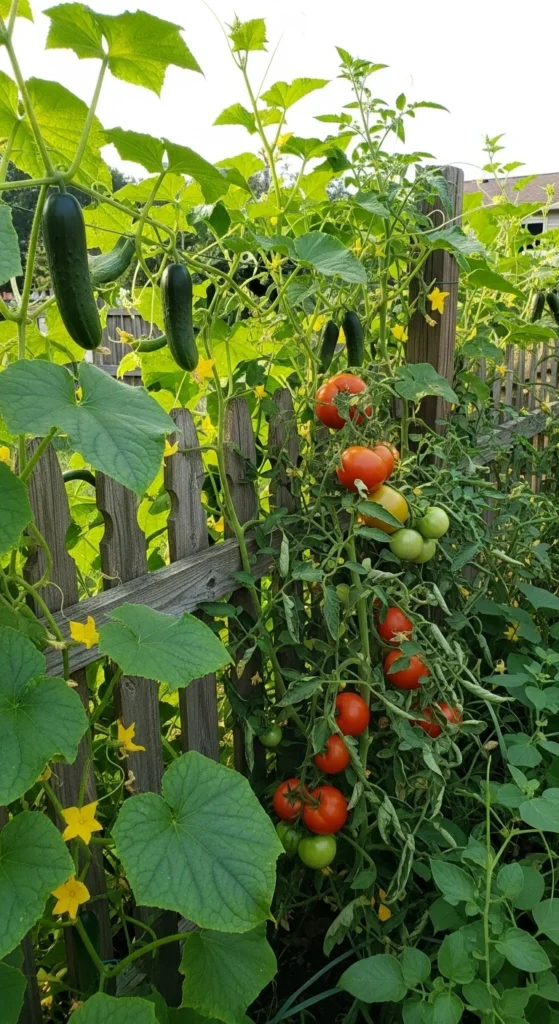
Turn fences and walls into living structures. Attach planters or trellises to let plants climb. Vining crops like beans and cucumbers thrive vertically, freeing ground space for root veggies below. It’s a clever way to double your growing area without expanding your footprint.
16. Use Raised Beds with Storage
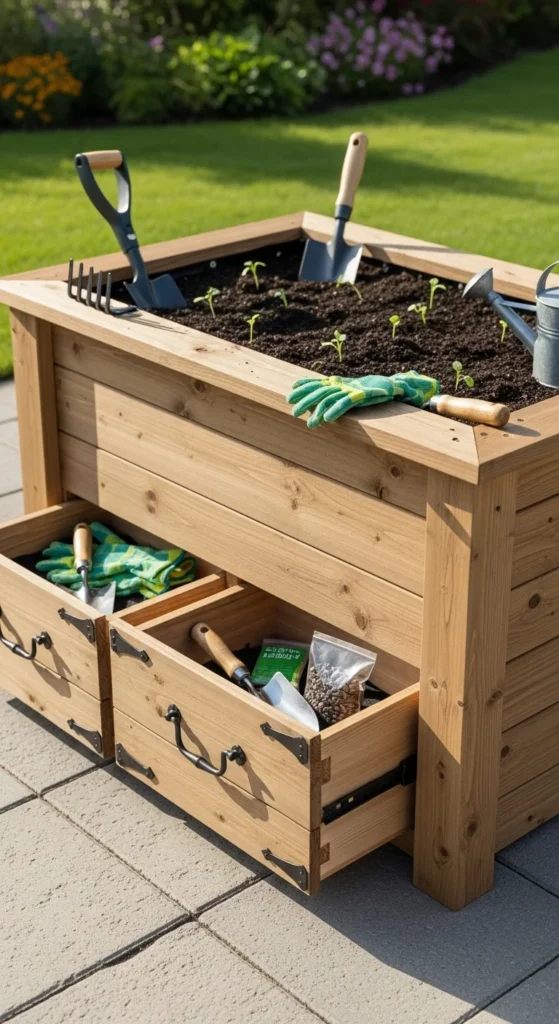
Raised beds can serve dual purposes. Build them with hollow bases to store tools, compost, or pots. The raised height also reduces bending and improves drainage. Choose untreated wood and line the inside with landscape fabric to extend lifespan. A raised bed with storage turns even a small patio into a tidy, efficient garden corner.
17. Rotate Crops in Containers
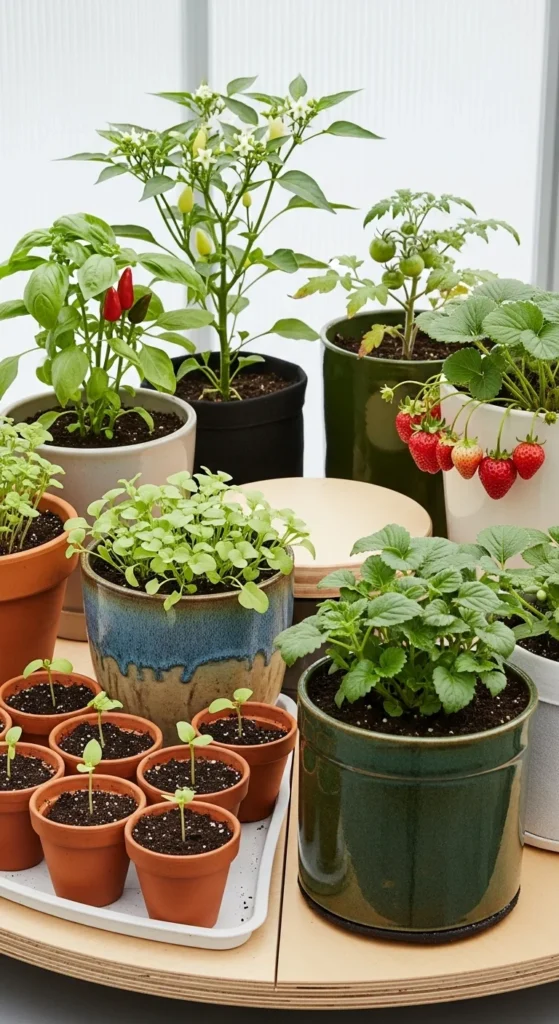
Container gardening allows easy crop rotation. After harvesting one crop, replace it with another that uses different nutrients. Grow lettuce first, then switch to peppers or herbs. This method keeps soil healthier and reduces pests. Use fresh compost between rotations for better results.
18. Grow Strawberries in Hanging Towers
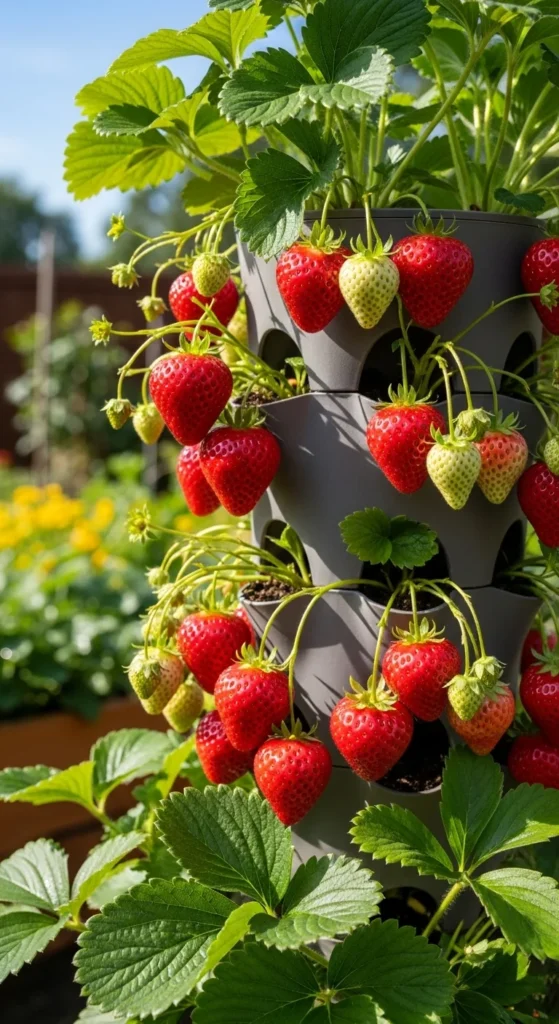
Strawberry towers are perfect for patios and balconies. They use vertical stacking to grow multiple plants in minimal ground area. You can build one using PVC pipes or buy ready-made versions. Each pocket produces fruit, creating a cascading effect that looks as good as it tastes.
19. Use Window Boxes Creatively
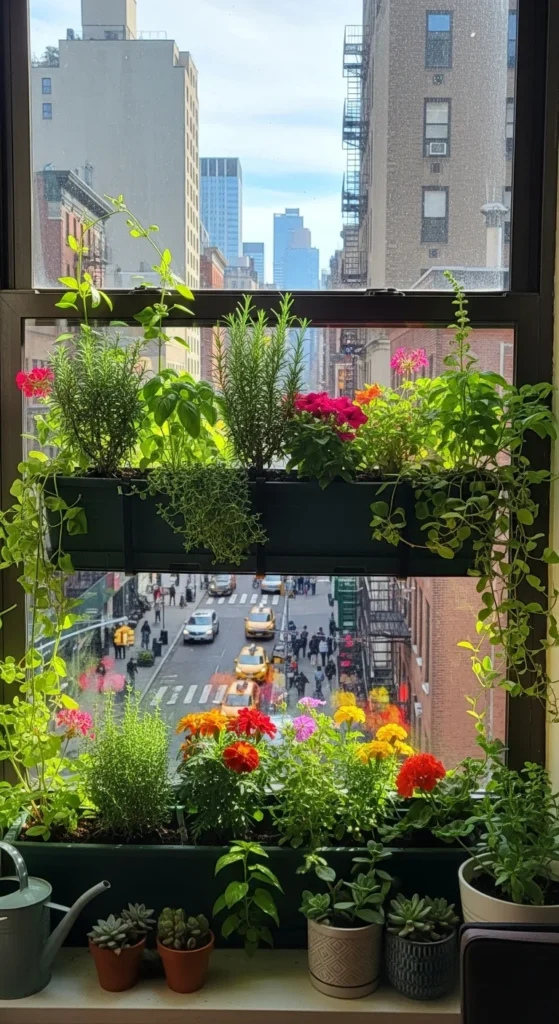
Window boxes aren’t just for flowers—grow lettuce, spinach, or compact peppers instead. Choose boxes with good drainage and line them with coconut coir. Mount them securely to avoid tipping. Water often, as they dry faster in sunlight. You’ll enjoy greenery and easy harvesting right from your window.
20. Compost in a Small Bin
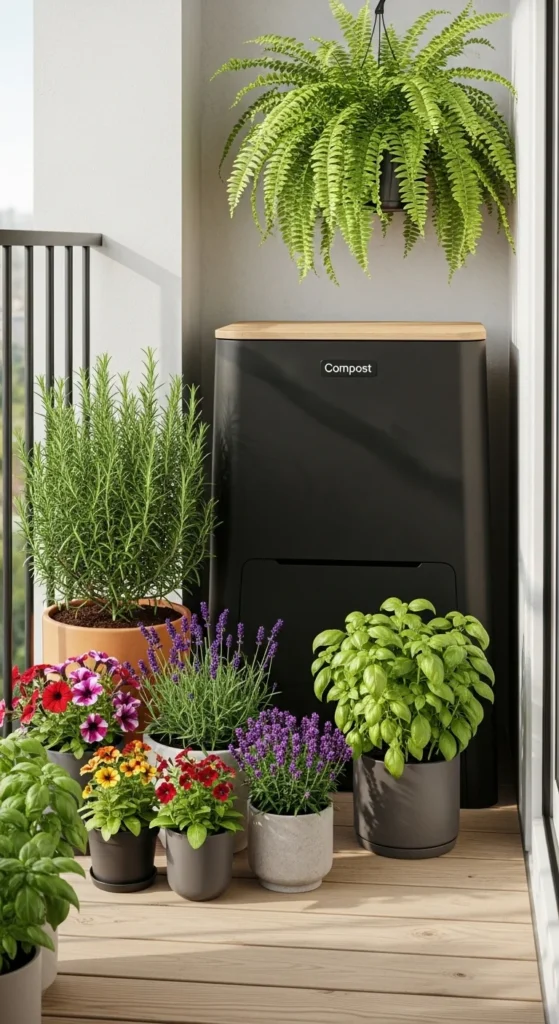
Even a small compost bin can recycle kitchen scraps into nutrient-rich soil. Use a compact tumbler or sealed bucket. Add layers of greens (food waste) and browns (leaves or cardboard). Stir weekly, and in a few months, you’ll have compost for your containers—saving money and reducing waste.
21. Collect Rainwater for Watering
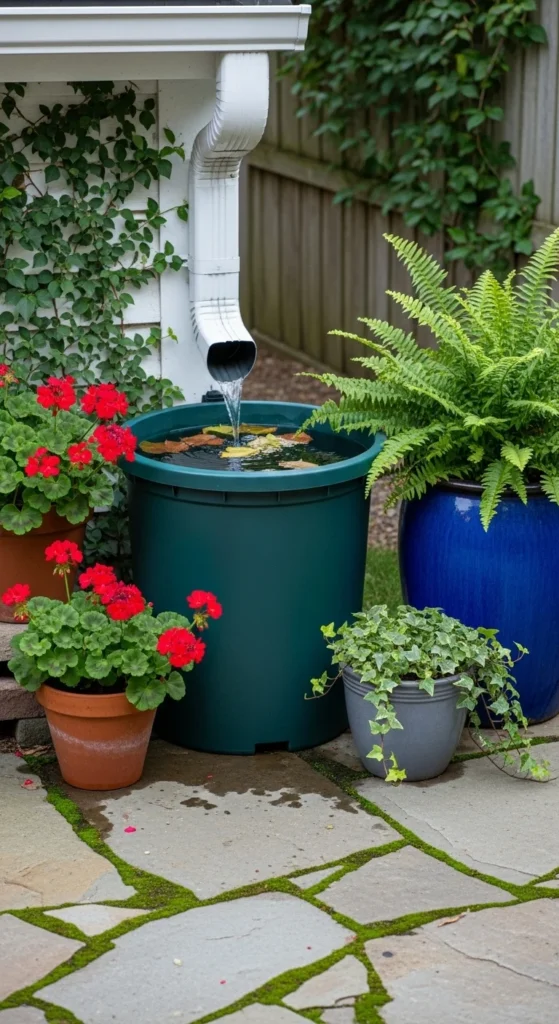
Set up a small rain barrel to collect runoff. This gives you free water for your garden while conserving resources. Add a mesh filter to block debris and mosquitoes. Even a few gallons go a long way for container gardens. It’s an easy eco-friendly habit with lasting benefits.
Conclusion
Small-space gardening is all about creativity and practicality. Whether you’re growing on a balcony, in a courtyard, or indoors, every inch counts. With these smart ideas, you can grow a satisfying harvest without needing extra land. Start small, experiment with what fits your space, and enjoy the daily reward of nurturing your own little green oasis.
Leave a Reply