

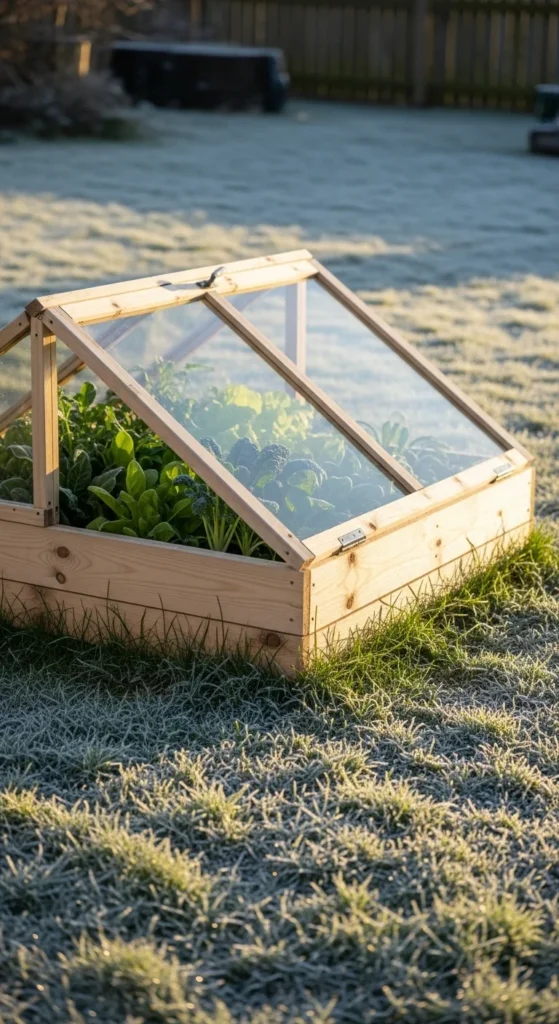
Cold weather doesn’t have to mean the end of your gardening season. With a simple cold frame, you can grow fresh lettuce, spinach, kale, and herbs even when the ground is frozen. Think of it as a mini greenhouse — affordable, easy to build, and perfect for extending your harvest through winter.
If you’ve been dreaming of homegrown salads in January, here’s how to build a cold frame that keeps your greens thriving all season long.
What Is a Cold Frame and Why Build One?
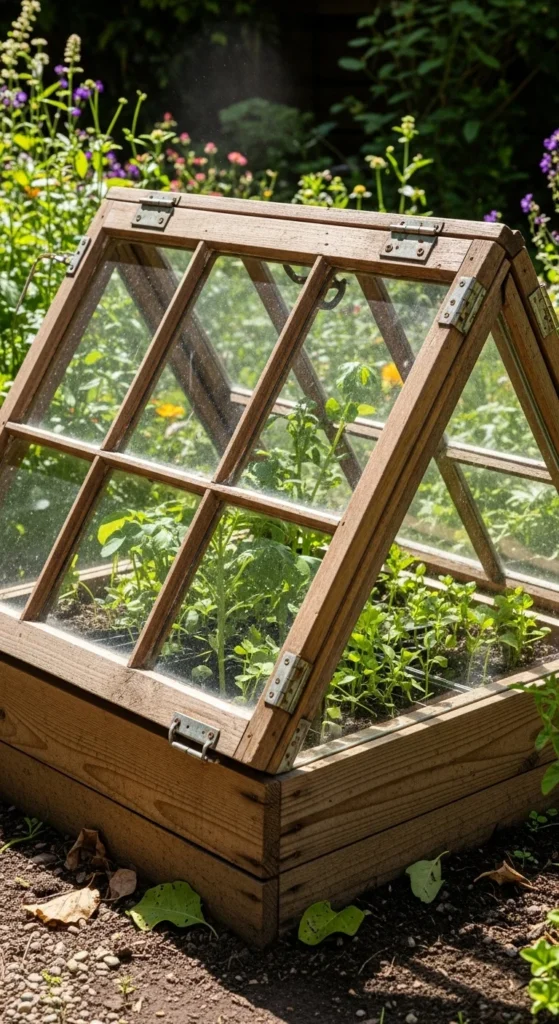
A cold frame is a small, enclosed structure that captures sunlight and traps warmth — creating a cozy microclimate for plants. It’s typically a low wooden box with a clear lid that can be propped open for ventilation.
Why it’s a game-changer:
- Extends the growing season by months
- Protects plants from frost, wind, and snow
- Uses passive solar heat — no electricity required
- Perfect for seedlings, herbs, and winter greens
Even in freezing temperatures, a well-built cold frame can stay several degrees warmer inside — just enough to keep your plants alive and thriving.
Choose the Perfect Location
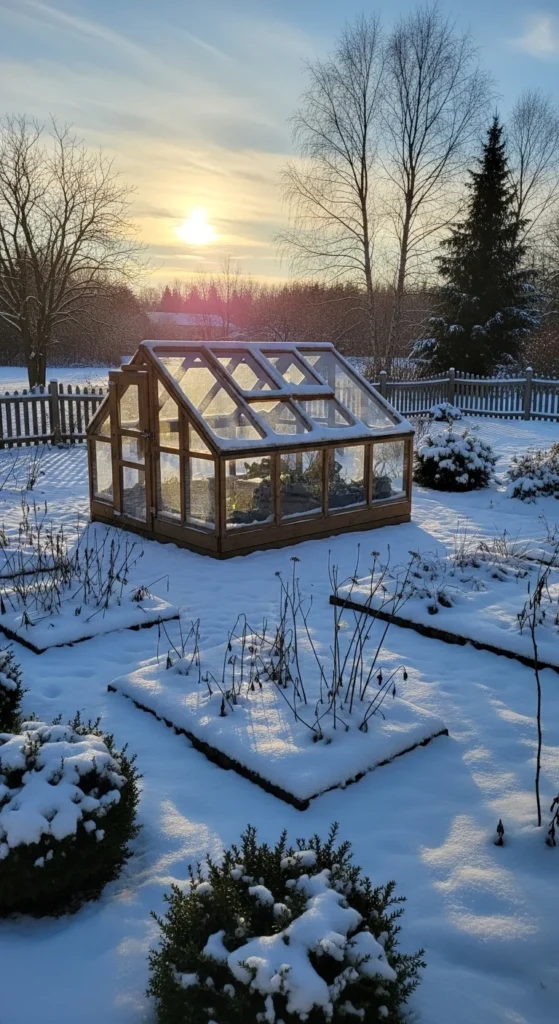
Placement is everything. Your cold frame needs maximum sunlight and good drainage to work effectively.
Ideal placement tips:
- Face south or southeast to catch the most winter sun.
- Slightly tilt the lid (2–3 inches lower at the back) to capture sunlight and shed rain or snow.
- Avoid shaded spots near trees or tall fences.
- Place it on well-draining soil or a gravel base to prevent standing water.
If your winters are especially harsh, tuck the frame near a wall or hedge for added wind protection.
Gather Your Materials
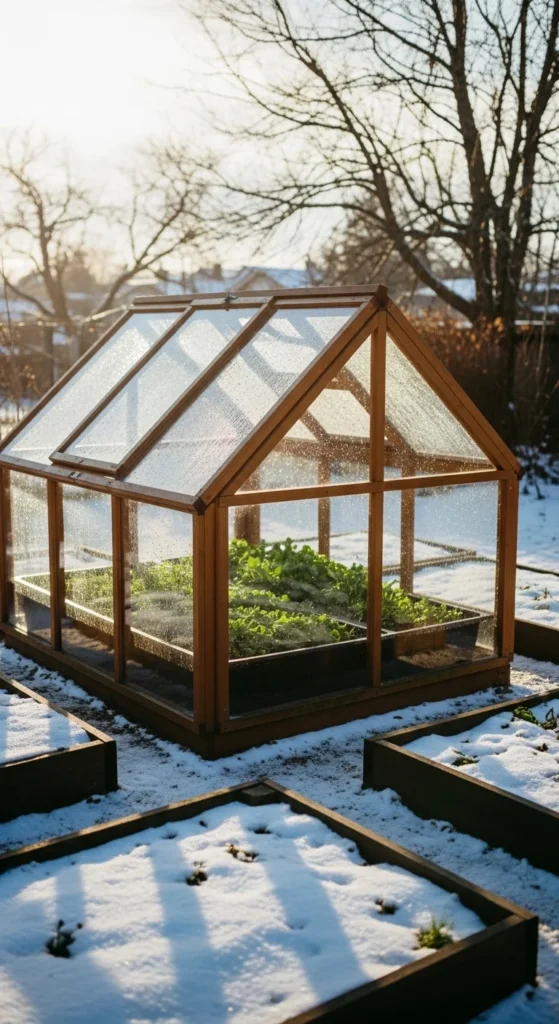
The best part about cold frames is that they can be built from simple, recycled materials you might already have. You can make one in a single afternoon!
Materials you’ll need:
- Lumber or reclaimed boards for the box frame (cedar or pine works well)
- Old window, storm door, or clear acrylic panel for the lid
- Hinges to attach the lid for easy opening
- Screws, nails, and weatherproof sealant
- Optional: Handles or a prop stick for ventilation
Keep the frame about 12 inches high in front and 16 inches at the back — this slope helps sunlight reach all your plants evenly.
Build the Frame
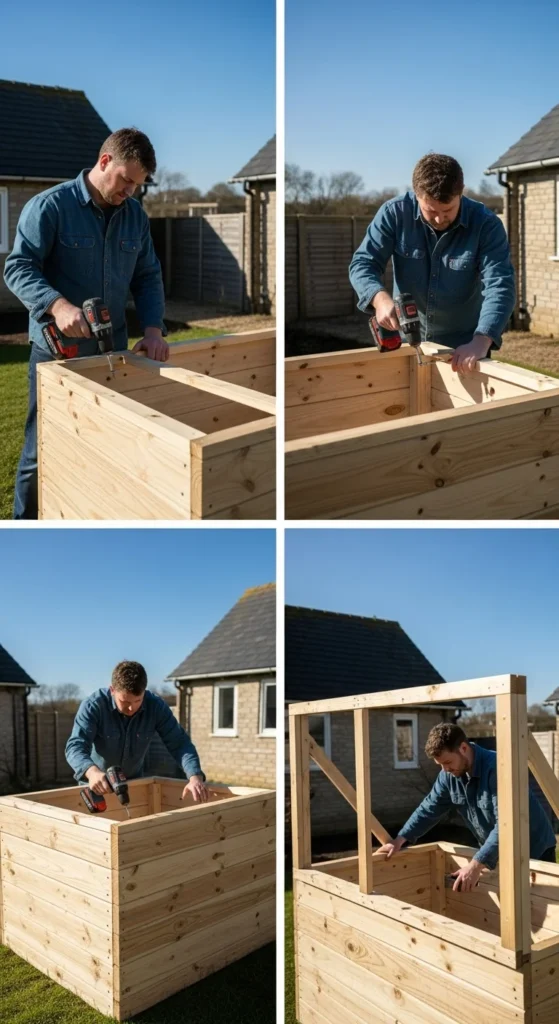
Ready to build? Follow these simple steps to put your cold frame together.
Step-by-step:
- Cut your wood to size: two long sides, a front, and a back piece.
- Assemble the box using screws or nails — make sure the back panel is taller to create a sloped roof.
- Attach the hinges to the top edge of the back panel.
- Secure the lid (window or clear panel) to the hinges.
- Seal any gaps with weatherproof caulk to retain warmth.
Once complete, place your cold frame in position and check that the lid opens smoothly for ventilation.
Fill and Prepare for Planting
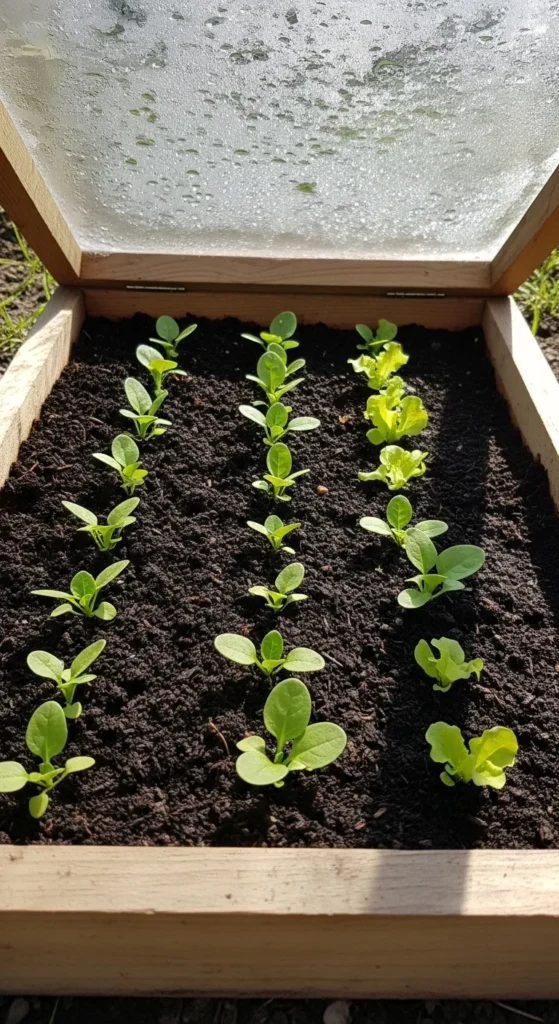
Before planting, fill your cold frame with nutrient-rich soil or compost. You want a mixture that drains well but still retains warmth and moisture.
Soil setup tips:
- Use compost-rich garden soil for nutrients.
- Add a layer of straw or leaves underneath for insulation.
- Keep soil depth around 6–8 inches for greens and herbs.
Water lightly after planting, as excess moisture can lead to mold in cool conditions.
Manage Temperature and Moisture
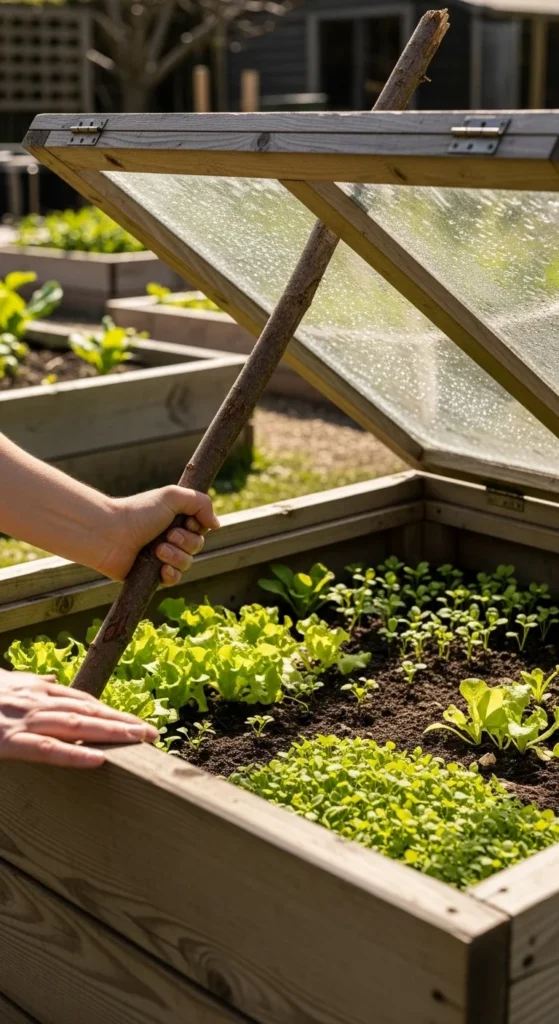
A cold frame works by trapping sunlight, but even in winter, temperatures can spike quickly. Managing airflow is key to keeping your plants healthy.
Temperature tips:
- On sunny days, prop the lid open a few inches to prevent overheating.
- Close it in the evening to retain warmth overnight.
- During freezing nights, add a blanket or tarp over the lid for extra insulation.
- Check soil moisture every few days — it should stay damp but not soggy.
Keep a small thermometer inside to monitor temperature swings easily.
What to Grow in Your Cold Frame
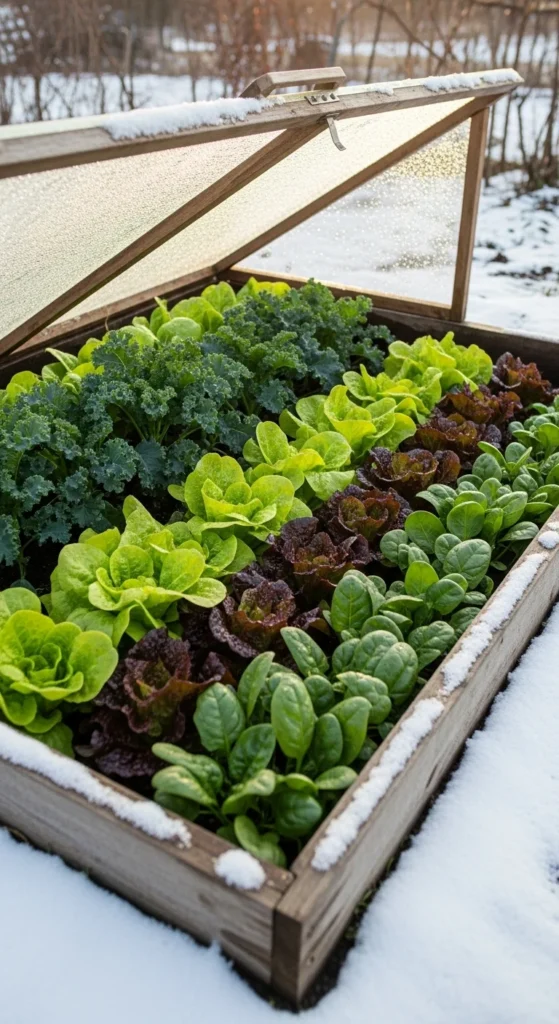
Cold frames are perfect for cool-season crops and leafy greens that love mild conditions.
Best choices for winter growing:
- Spinach
- Lettuce mixes
- Kale
- Arugula
- Parsley
- Green onions
- Mâche (corn salad)
You can also use your cold frame in early spring to start seedlings for your summer garden. It gives young plants a head start before they move outdoors.
Keep It Going Year-Round
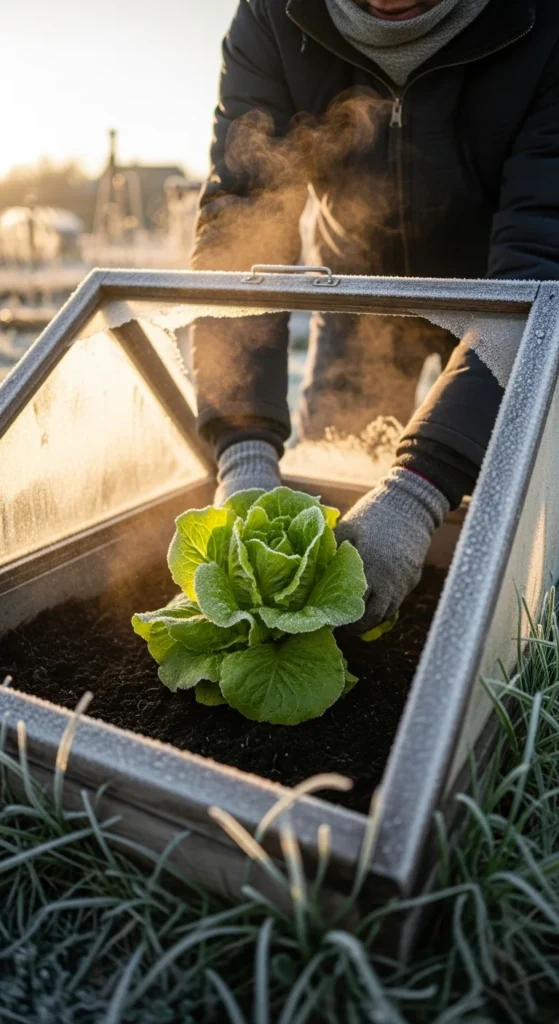
Once you’ve built your cold frame, it can serve you year-round — not just in winter.
- Spring: Start tomato, pepper, or herb seedlings early.
- Summer: Use it to harden off young plants.
- Fall/Winter: Grow hardy greens through frost.
With a little attention and rotation, your cold frame becomes a four-season growing station.
Conclusion
Building a cold frame is one of the simplest ways to extend your gardening season — and it doesn’t require expensive materials or special tools. A few boards, an old window, and some sunlight are all you need to keep your greens fresh through the coldest months.
Leave a Reply