

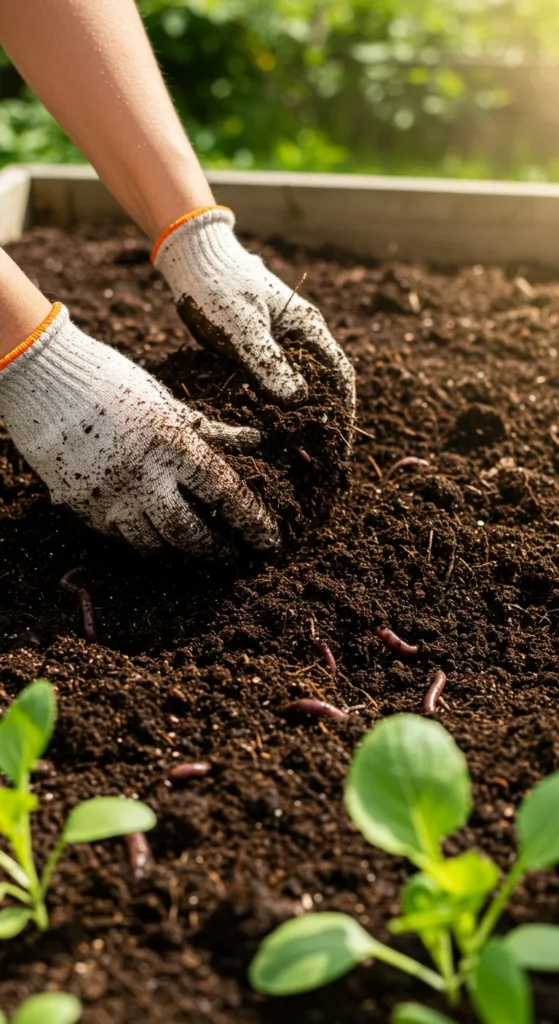
Healthy soil is the heart of every thriving garden. Without it, even the strongest plants struggle. Organic gardening focuses on feeding the soil naturally, creating a living ecosystem where plants, microbes, and earthworms all work together. The result? Stronger crops, better harvests, and fewer chemical inputs. Here are 26 essential secrets to building and maintaining soil that stays alive and productive year after year.
1. Start with Compost
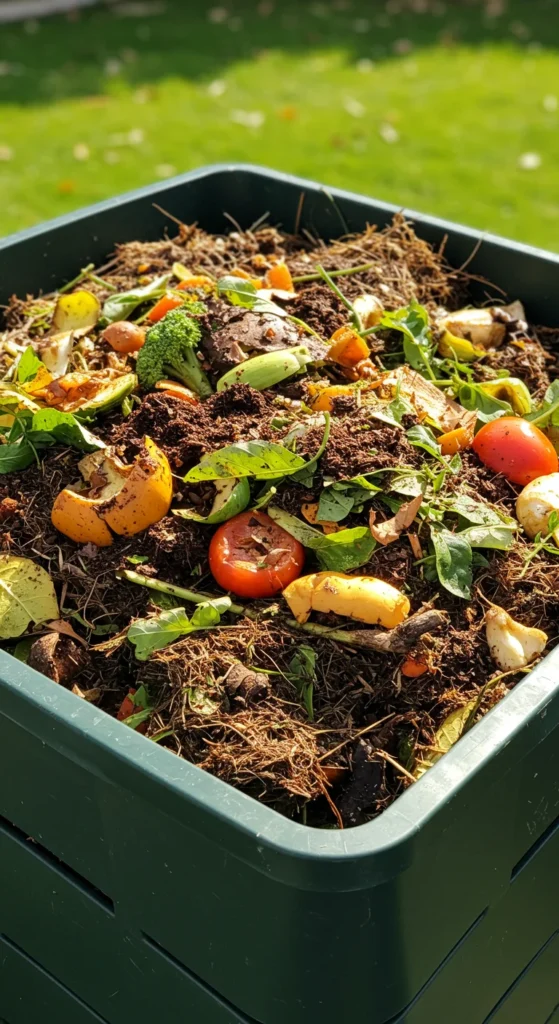
Compost is the foundation of organic gardening. It adds nutrients, improves structure, and supports microbial life. Use kitchen scraps, leaves, and grass clippings to make your own. Keep it moist but not soggy, and turn regularly. Even a small pile or bin can produce black, crumbly compost that enriches your soil naturally.
2. Rotate Crops Every Season
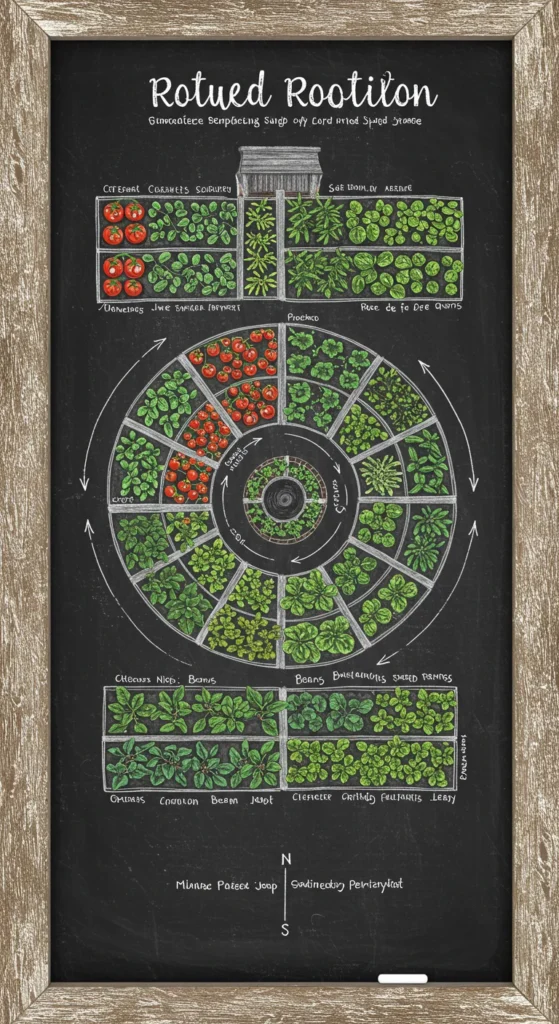
Growing the same crop in the same spot drains nutrients and encourages pests. Rotate plant families each season. For example, follow tomatoes with beans to replenish nitrogen. Simple crop rotation keeps soil balanced and healthier over time.
3. Mulch to Lock in Moisture
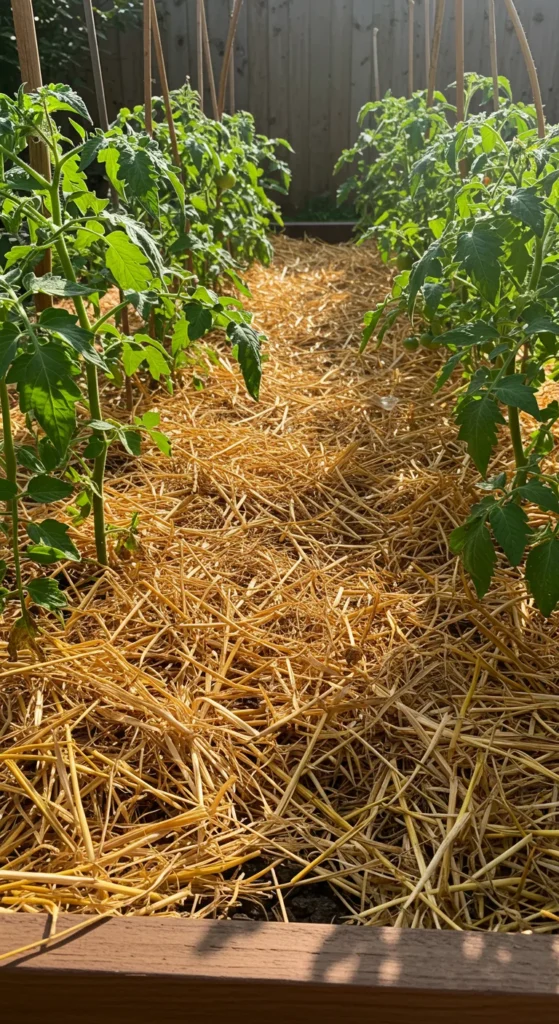
Mulch conserves water, cools soil, and reduces weeds. Use straw, shredded leaves, or wood chips. Spread a layer around plants to maintain moisture and protect roots. It breaks down slowly, feeding soil as it decomposes.
4. Add Worms for Natural Aeration
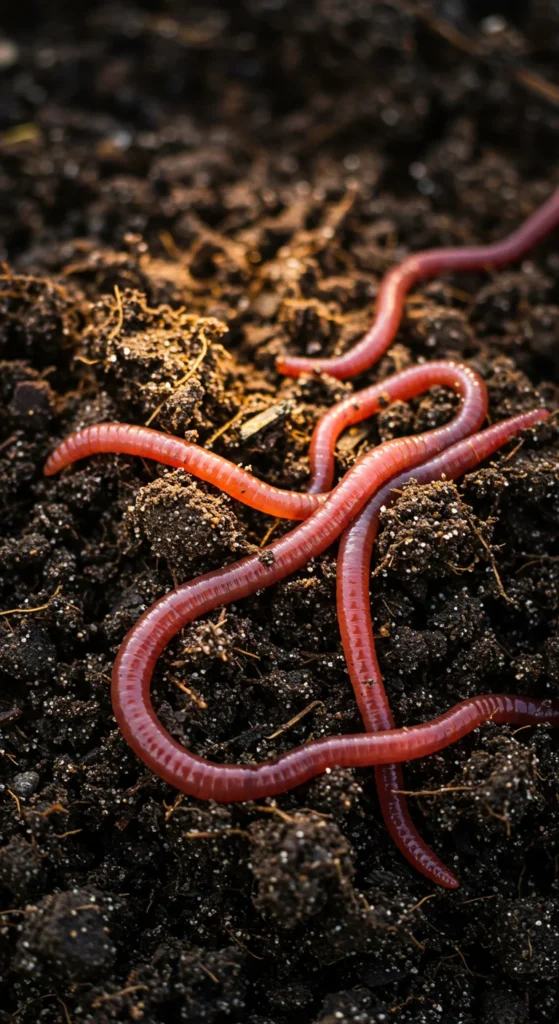
Worms are natural soil builders. They tunnel through dirt, improving drainage and structure. Their castings add nutrients plants love. Add worms from compost bins or let them find their way into your garden.
5. Grow Cover Crops

Cover crops like clover or rye protect bare soil and prevent erosion. They also add organic matter when tilled in. Plant them in off-seasons or between main crops to keep your soil productive.
6. Use Organic Fertilizers
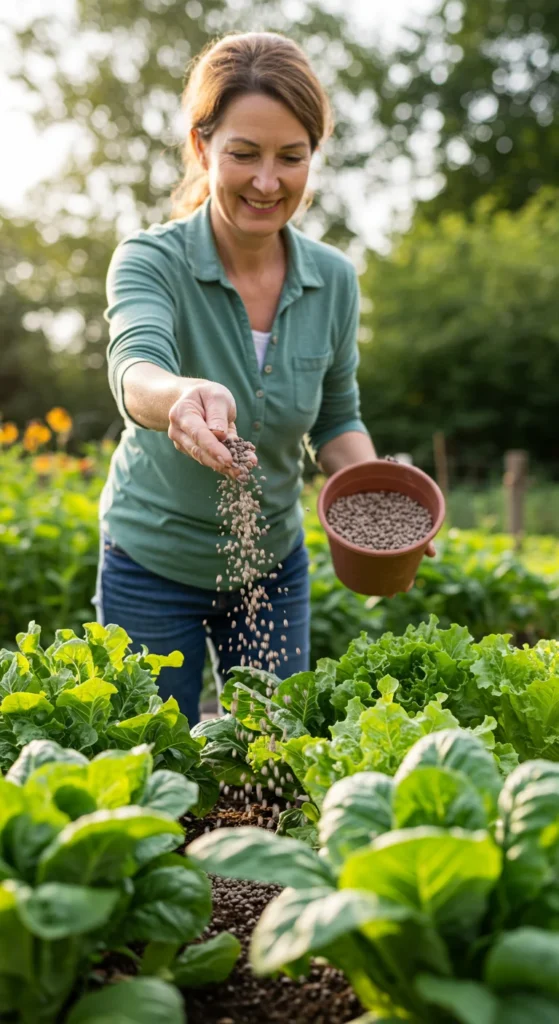
Choose natural fertilizers like bone meal, fish emulsion, or kelp. They release nutrients slowly and support soil microbes. Unlike chemical fertilizers, they feed both the soil and the plants.
7. Test Your Soil pH
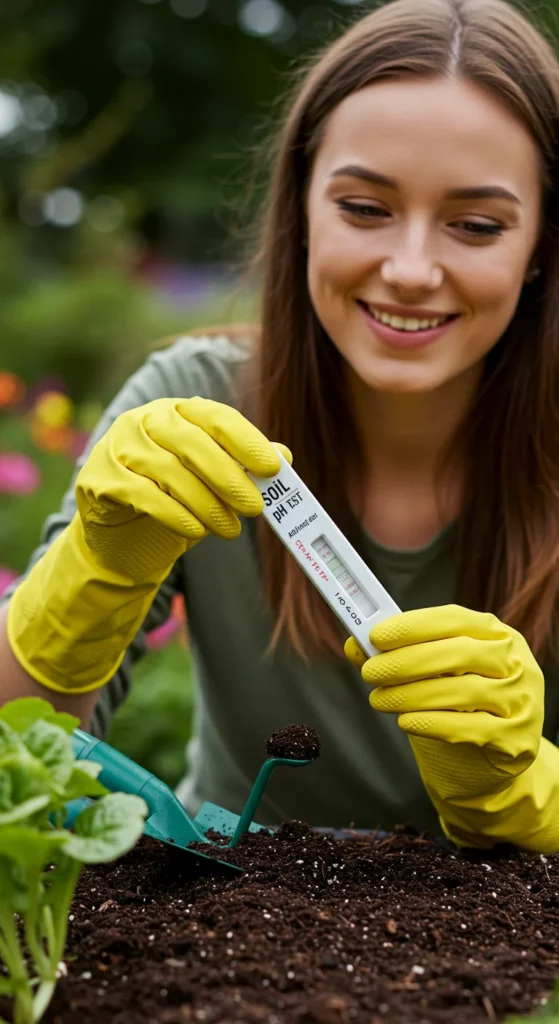
Soil pH affects nutrient availability. Most vegetables prefer slightly acidic soil (around 6–6.8). Use a test kit to check, then amend with lime or sulfur if needed. Balanced pH makes nutrients easier for plants to absorb.
8. Recycle Kitchen Scraps
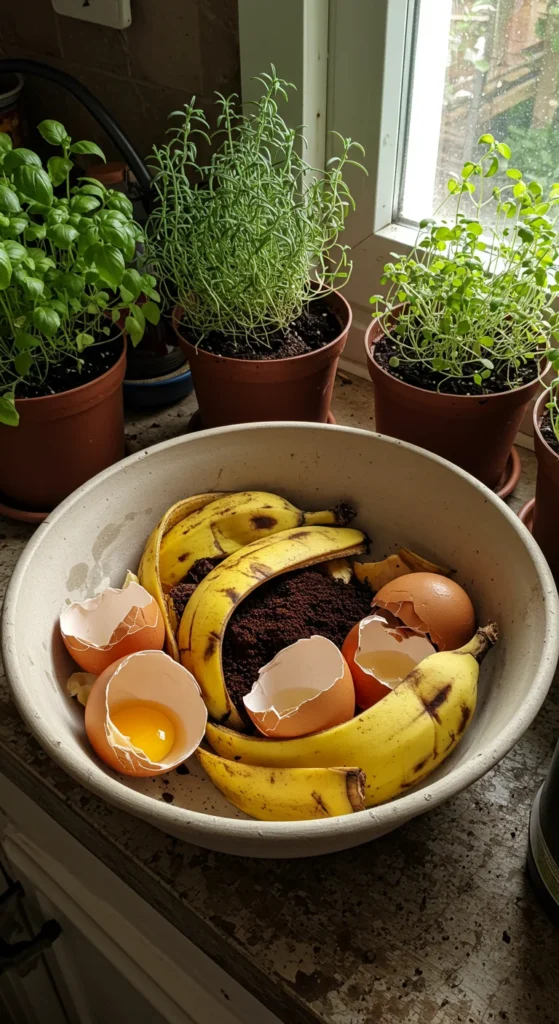
Don’t toss food scraps—use them in your garden. Eggshells add calcium, banana peels provide potassium, and coffee grounds improve soil texture. Mix them directly into beds or add to compost.
9. Keep Soil Covered Year-Round
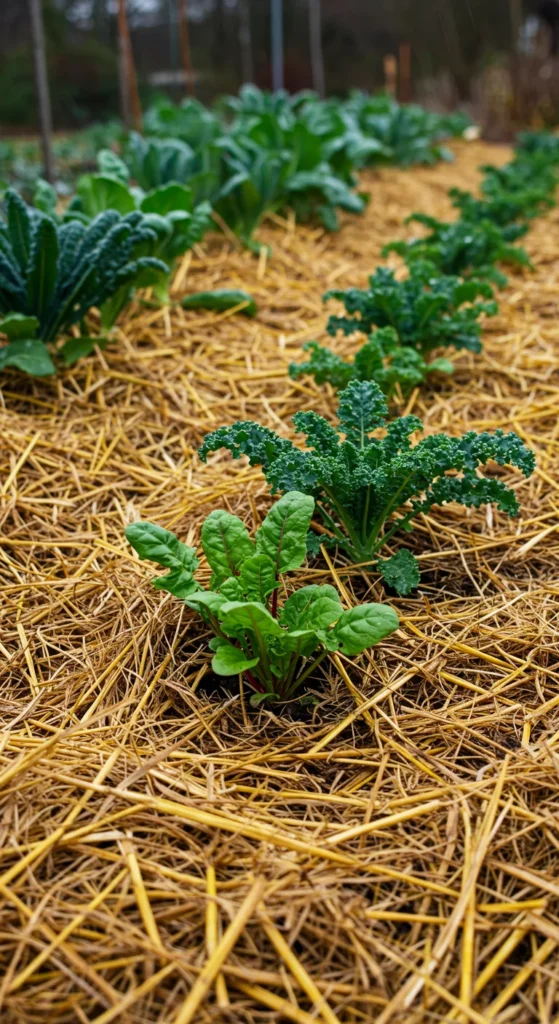
Bare soil loses nutrients and structure. Keep it covered with mulch, cover crops, or low-growing plants. This prevents erosion, keeps microbes alive, and preserves fertility.
10. Practice No-Till Gardening
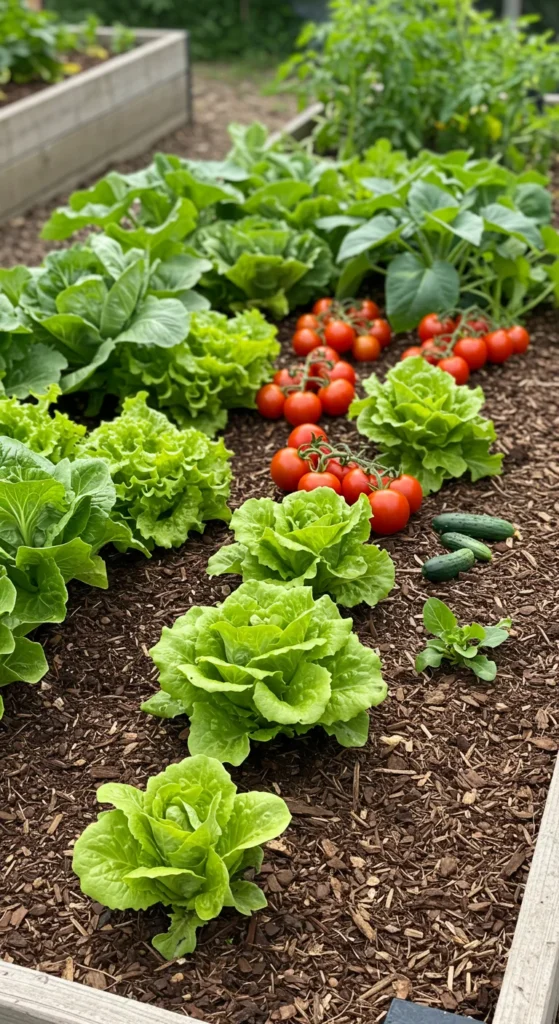
Avoid excessive tilling, which disrupts soil life. Instead, layer compost and mulch on top and let worms and microbes do the work. No-till builds soil structure naturally and keeps ecosystems intact.
11. Harvest Rainwater for Irrigation
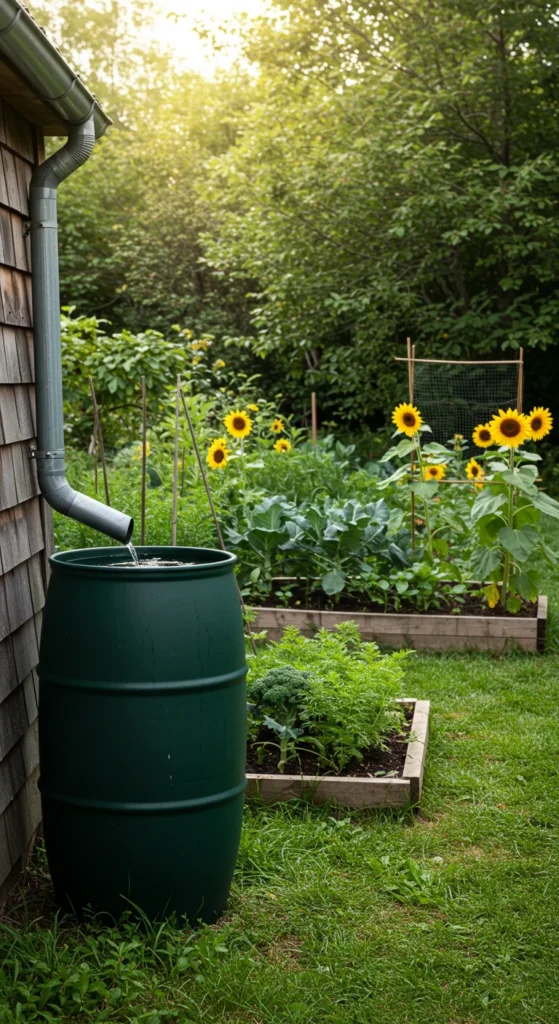
Rainwater is soft and free from chemicals found in tap water. Collect it in barrels and use it for irrigation. It’s gentle on soil and conserves resources.
12. Add Mycorrhizal Fungi
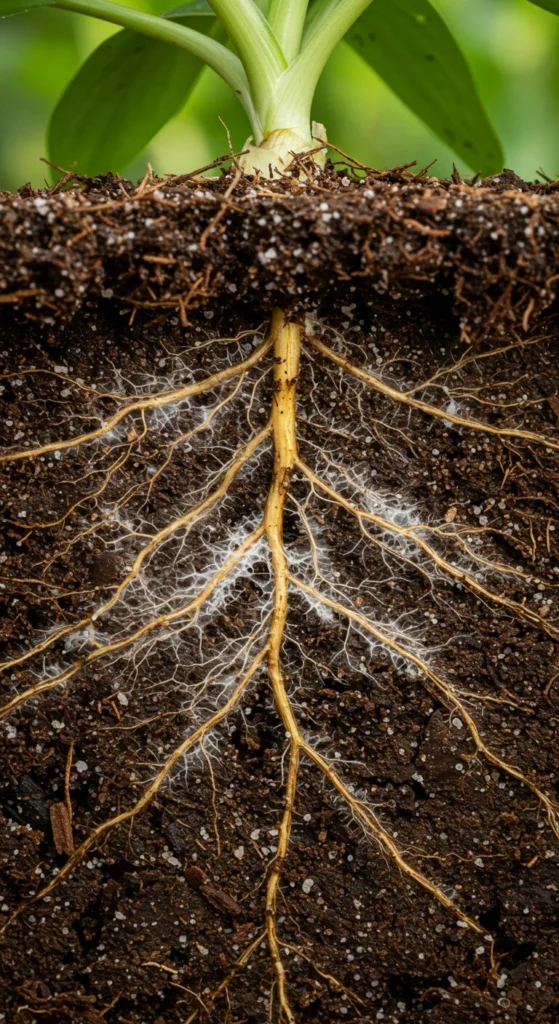
Beneficial fungi form partnerships with plant roots, extending their ability to absorb water and nutrients. Sprinkle mycorrhizal inoculants at planting time for long-term soil health.
13. Avoid Synthetic Chemicals
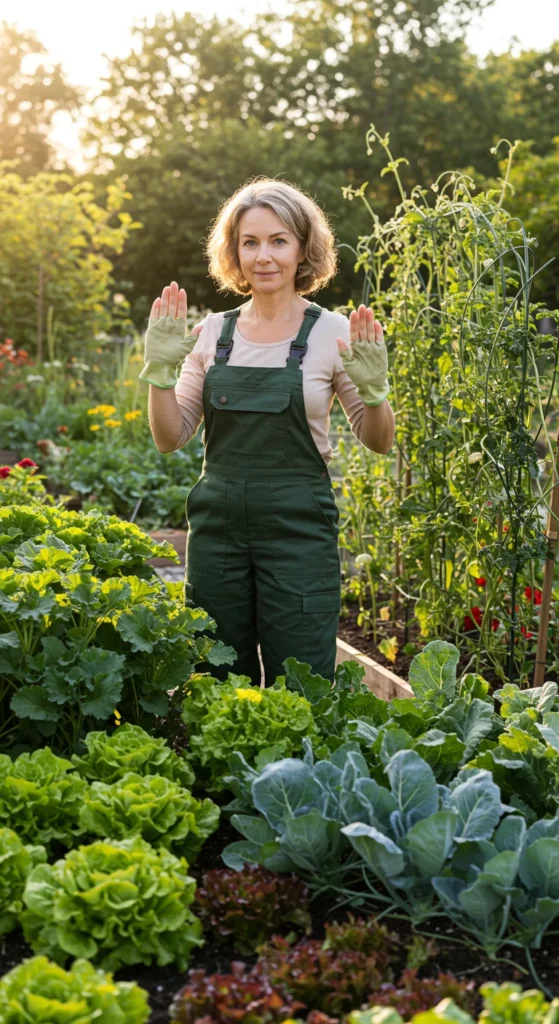
Chemical sprays kill soil microbes and harm long-term fertility. Stick to natural inputs like compost, mulch, and organic sprays. Healthy soil thrives when left chemical-free.
14. Incorporate Green Manure

Green manure crops are grown specifically to be tilled into soil. Ryegrass, clover, or vetch add organic matter and improve texture. Plant, grow, then chop and mix into soil before they seed.
15. Use Epsom Salt for Magnesium
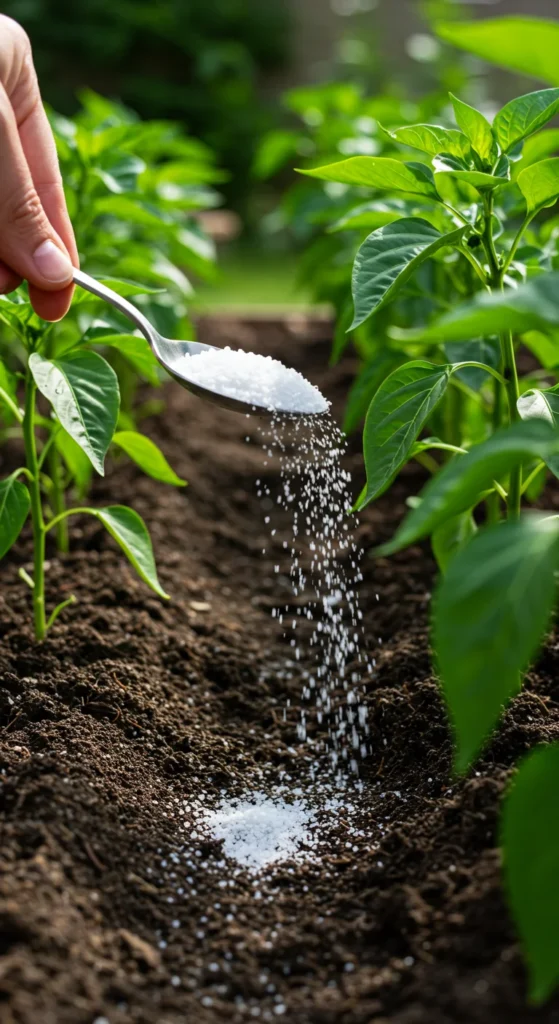
Magnesium supports healthy growth and fruit production. Mix a tablespoon of Epsom salt into water and apply monthly around crops like peppers and tomatoes.
16. Create Leaf Mold

Collect fallen leaves and let them decompose into leaf mold. It improves soil structure and water retention. Store in a corner pile for a year, then spread over beds.
17. Apply Rock Dust
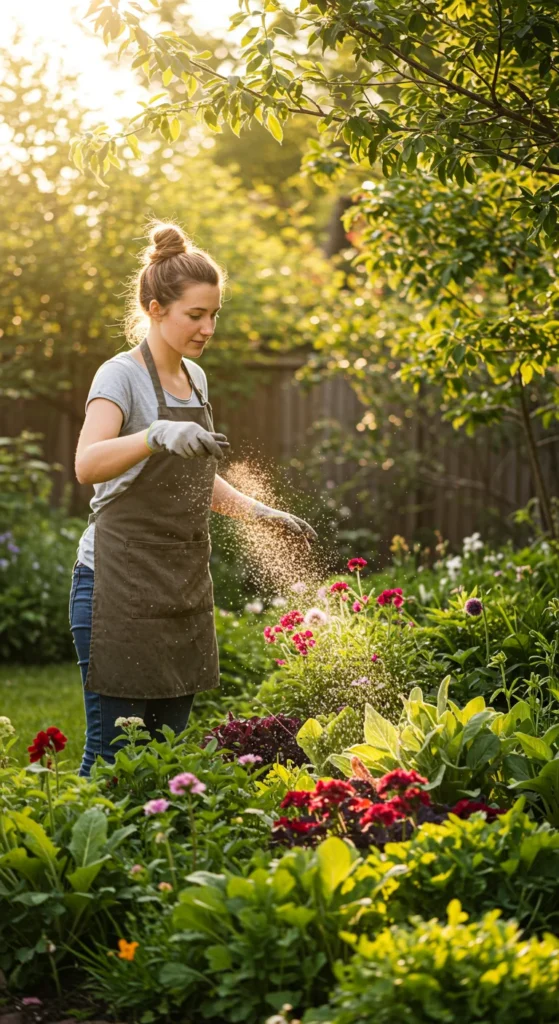
Rock dust slowly releases trace minerals into soil. Sprinkle lightly in beds for long-term fertility. It complements compost and organic matter for balanced nutrition.
18. Mulch with Grass Clippings
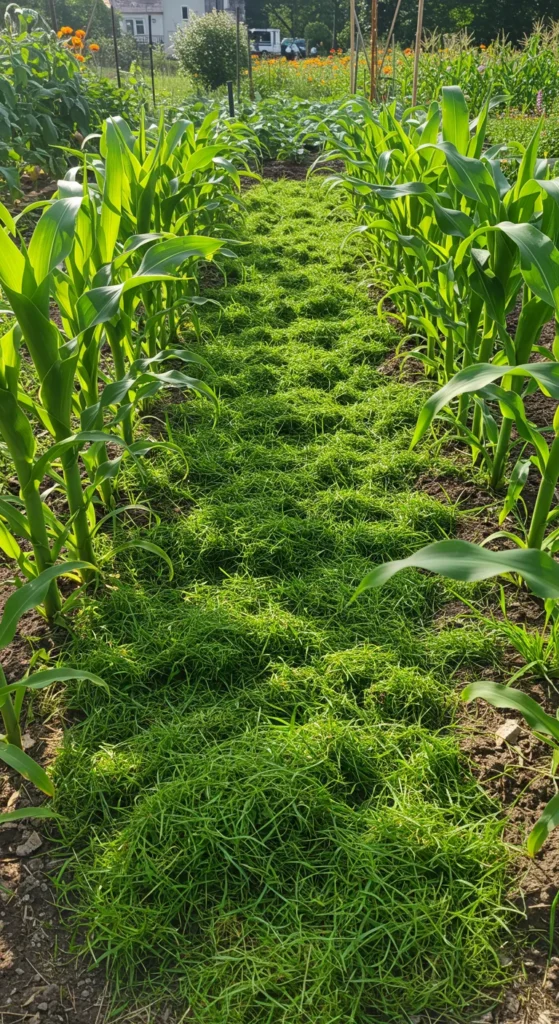
Grass clippings are a free mulch option. Spread thin layers around plants to retain moisture and add nitrogen. Avoid using clippings treated with chemicals.
19. Encourage Pollinators
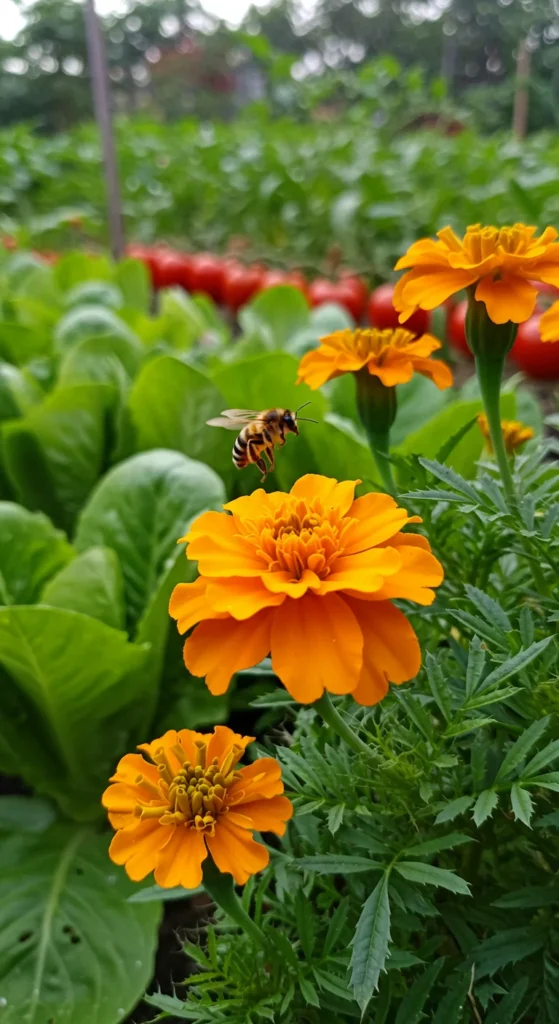
Pollinators support plant health and soil fertility indirectly. Grow flowers like marigolds, lavender, and sunflowers around your beds. They attract bees and beneficial insects, creating a balanced garden ecosystem.
20. Add Biochar
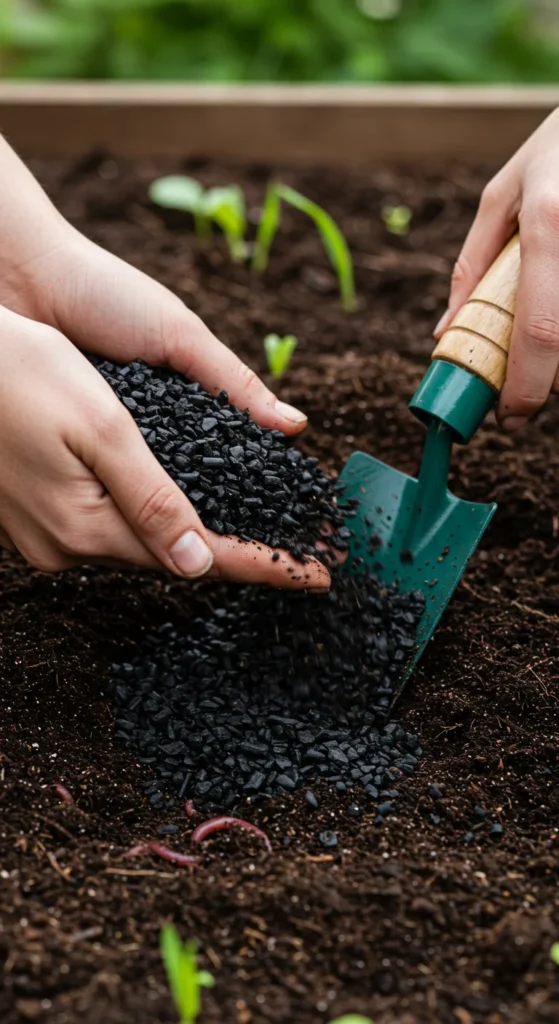
Biochar improves soil structure and water retention. It also provides a long-term home for beneficial microbes. Add small amounts when preparing beds for lasting benefits.
21. Practice Companion Planting
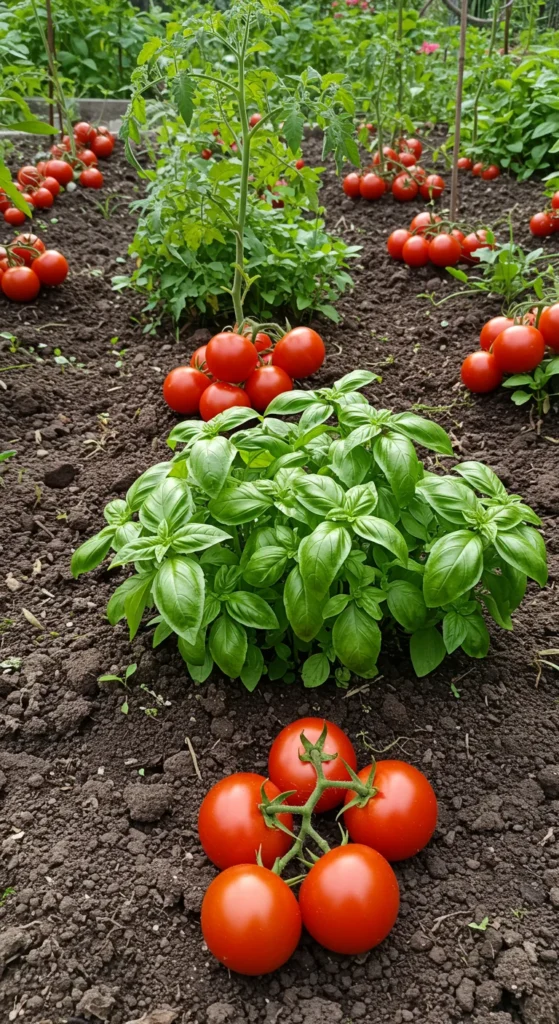
Some plants support each other naturally. Basil helps tomatoes, while beans add nitrogen for corn. Companion planting improves soil balance and reduces pest problems.
22. Bury Banana Peels
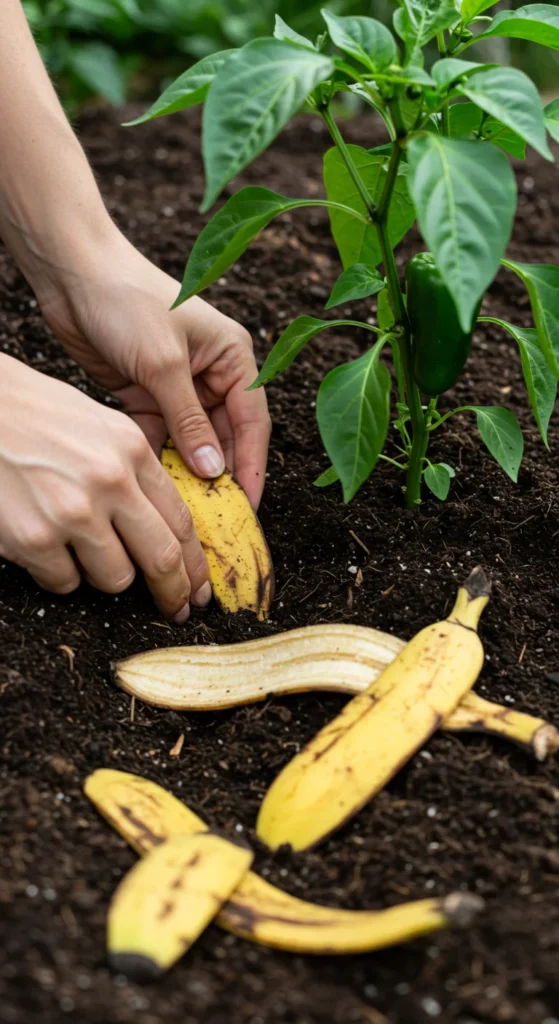
Banana peels decompose quickly, releasing potassium and phosphorus. Chop them into small pieces and bury them around plants for steady feeding.
23. Keep Soil Moist, Not Soggy
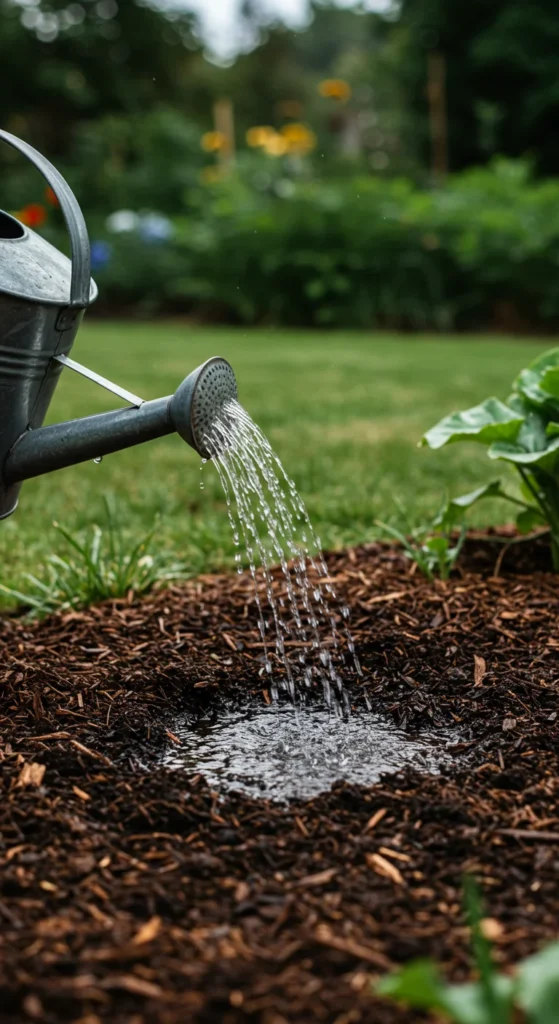
Consistent watering keeps soil organisms active. Too much water suffocates roots, while dryness stresses plants. Aim for damp, sponge-like soil.
24. Add Seaweed for Minerals
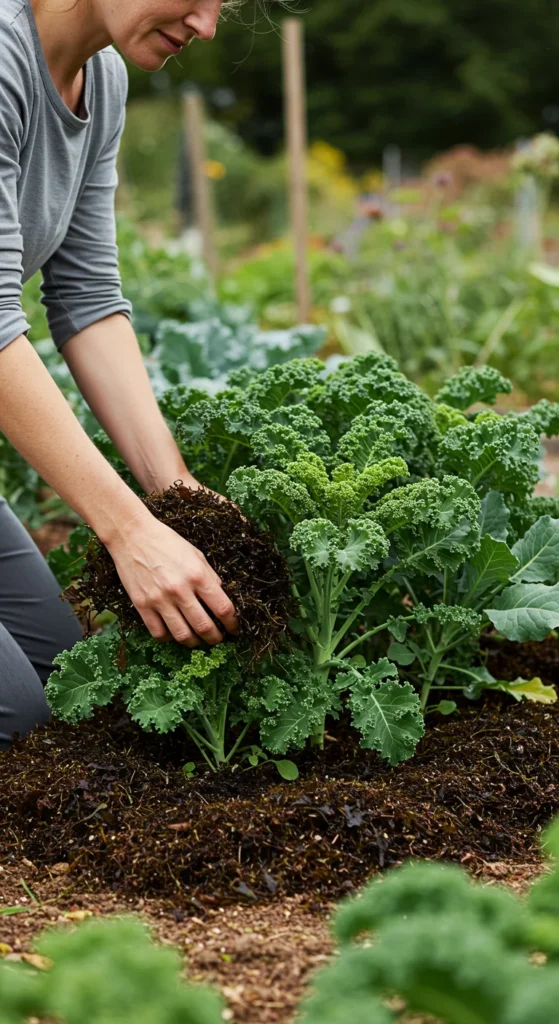
Seaweed provides trace minerals and stimulates soil life. Collect washed-up seaweed or buy dried flakes. Use as mulch or mix into compost.
25. Use Coffee Grounds Wisely
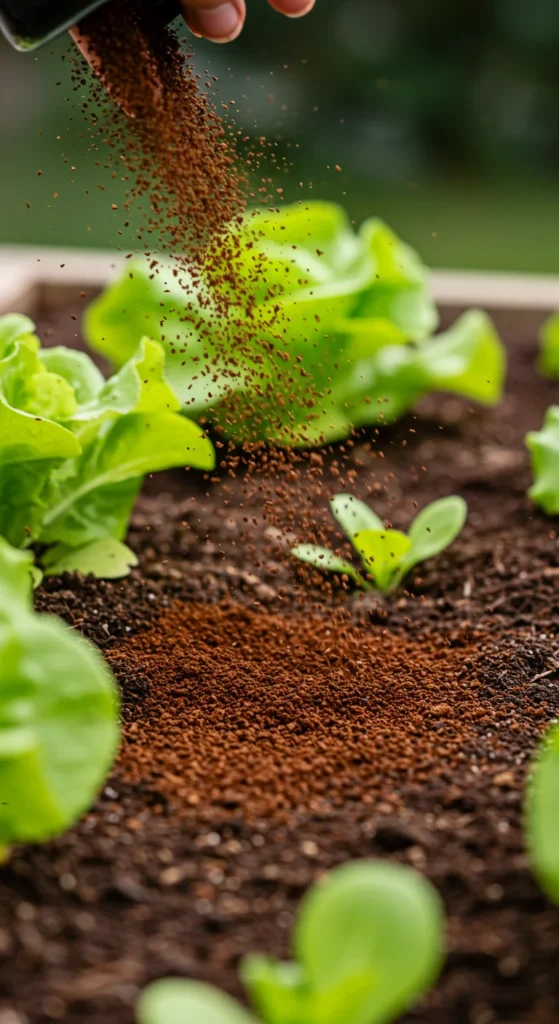
Coffee grounds add nitrogen but should be used lightly. Mix into compost or sprinkle thinly in beds. Too much at once can compact soil, so balance with browns like leaves.
26. Feed the Soil, Not Just Plants
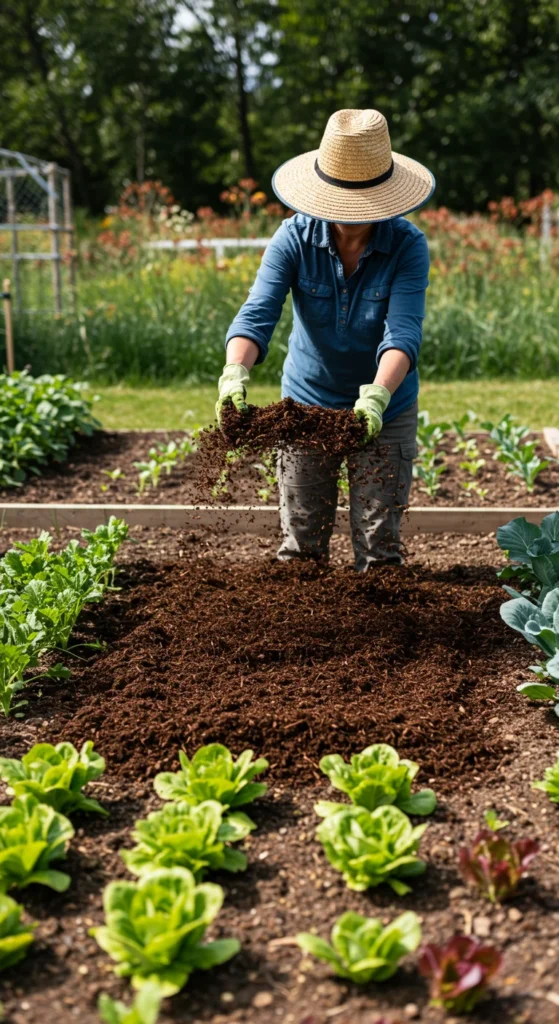
Think long-term. Instead of quick fixes, keep adding organic matter like compost, mulch, and natural amendments. Healthy soil will, in turn, feed your plants year after year.
Conclusion
Building healthy soil organically isn’t complicated. By composting, rotating crops, and using natural amendments, you create living earth that supports vibrant plants season after season. Start with one or two tips today, and soon your garden will reward you with abundant harvests and long-lasting fertility. 🌱

Leave a Reply