

Few plants bring as much charm, color, and fragrance to the garden as lavender. With its silvery-green leaves and soothing floral scent, it’s no wonder lavender has been loved for centuries — from cottage gardens to modern patios. The best part? It’s easier to grow than most people think. With a little sun, space, and care, you can enjoy heavenly-scented blooms all season long.
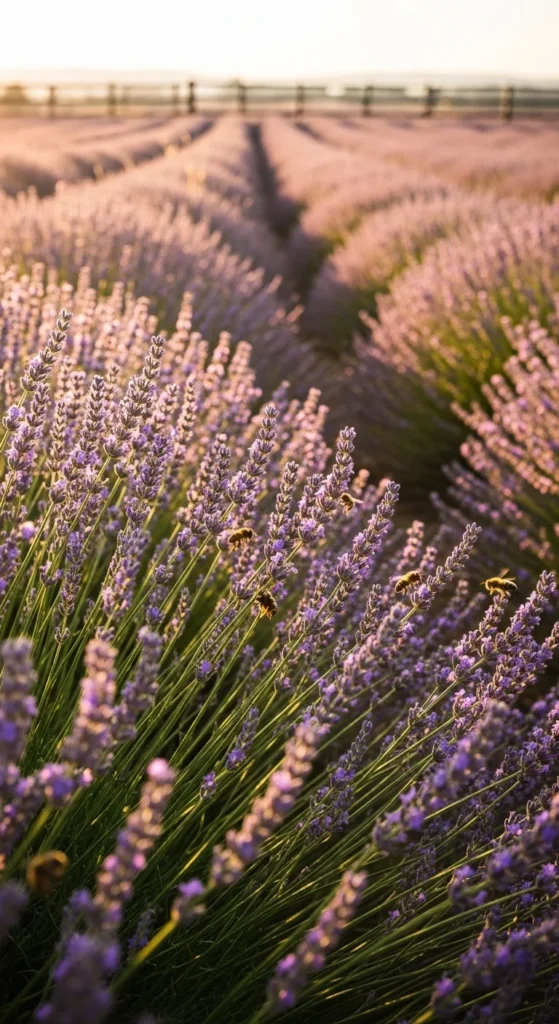
Choose the Right Lavender Variety
Not all lavender is created equal. To grow plants that thrive — and smell amazing — it’s important to pick a variety suited to your climate.
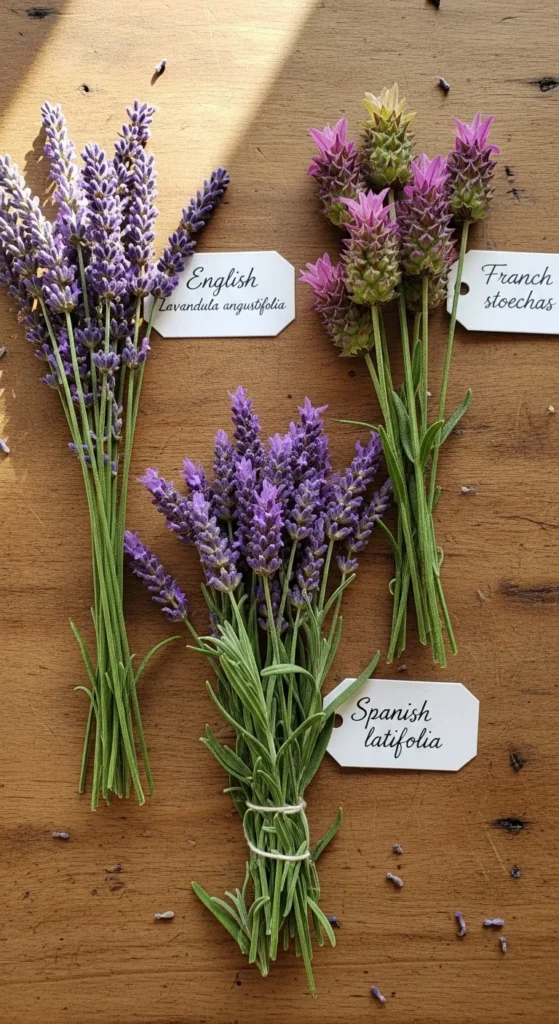
Popular Types of Lavender:
- English Lavender (Lavandula angustifolia): The classic choice for strong fragrance and versatility. Great for cooler climates.
- French Lavender (Lavandula dentata): Distinctive frilly blooms with a lighter scent; thrives in warmer, humid areas.
- Spanish Lavender (Lavandula stoechas): Recognized by its “rabbit ear” petals; perfect for hot, dry spots.
- Lavandin (Lavandula × intermedia): A hybrid known for long stems and intense aroma — perfect for drying.
Choose one that suits your growing zone and desired use, whether for sachets, oils, or garden borders.
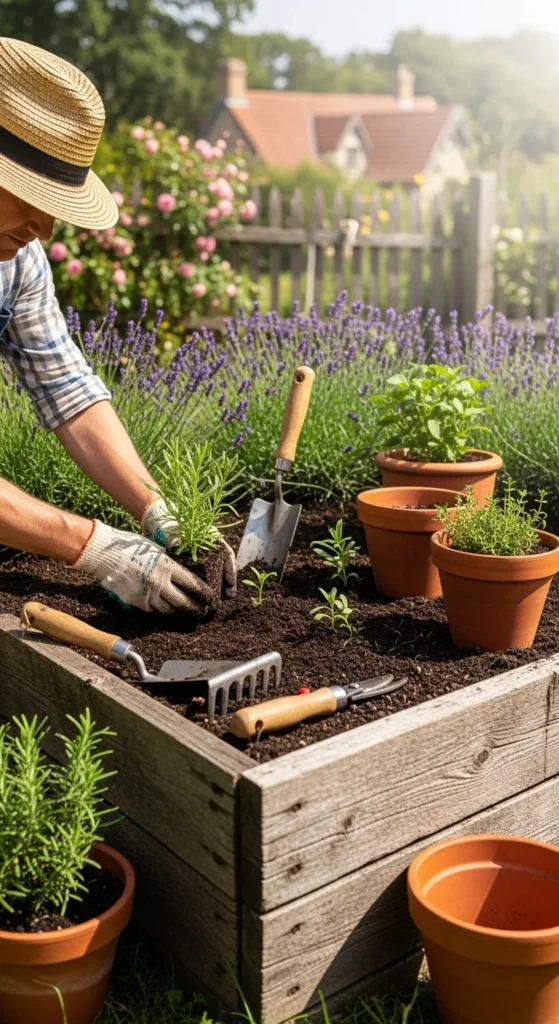
Pick the Perfect Spot
Lavender loves sunshine and space. The more light it gets, the more fragrant and full it becomes.
- Full sun: Aim for at least 6–8 hours of direct sunlight per day.
- Good airflow: Space plants about 2–3 feet apart to prevent mildew.
- Avoid damp spots: Lavender hates soggy roots. Plant in raised beds or along slopes if your soil retains water.
If you’re growing in containers, make sure they have drainage holes — lavender dislikes “wet feet.”
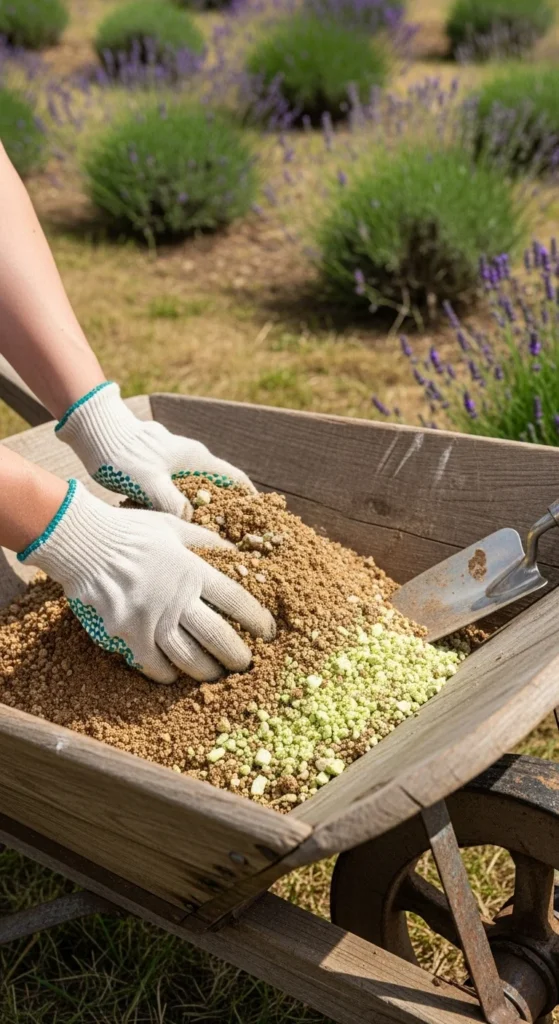
Prepare the Right Soil
Lavender thrives in poor, dry, well-draining soil. Rich or heavy soil can actually harm it.
Soil Prep Tips:
- Mix sand or gravel into your soil to improve drainage.
- Maintain a pH between 6.5 and 7.5 (slightly alkaline is best).
- Add a handful of lime or crushed eggshells if your soil is too acidic.
Skip the compost — too much organic matter makes lavender grow leafy and weak rather than fragrant and strong.
Water and Feed Sparingly
Here’s a little secret: lavender thrives on neglect.
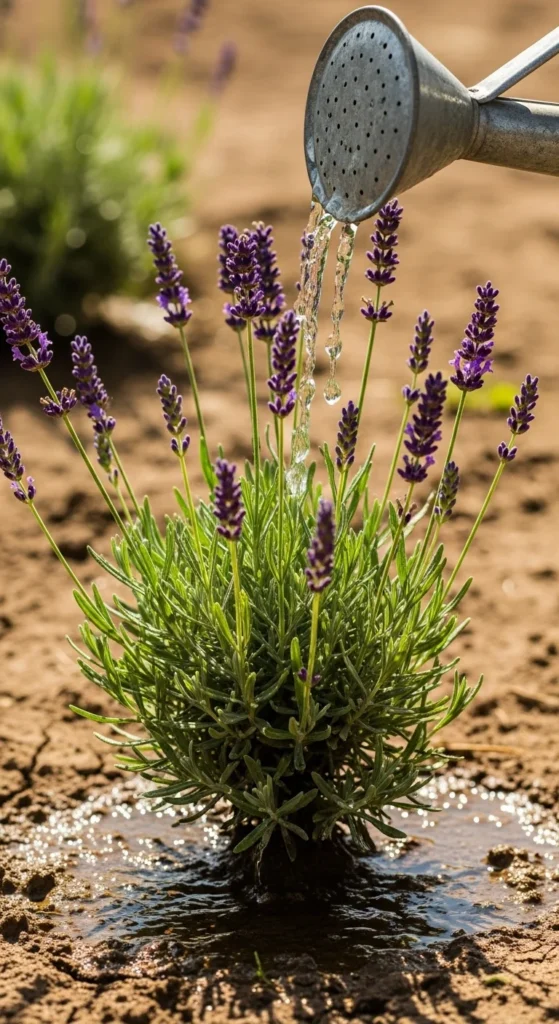
- Water deeply but infrequently: Once established, lavender prefers dry conditions. Let the top inch of soil dry before watering again.
- Fertilize lightly (or not at all): Too much nitrogen encourages foliage, not flowers. A single feeding of compost tea in spring is plenty.
- Container plants: These dry out faster, so check moisture levels regularly but still avoid overwatering.
Overwatering is the most common mistake new lavender growers make — when in doubt, let it dry out!
Prune for Shape and Fragrance
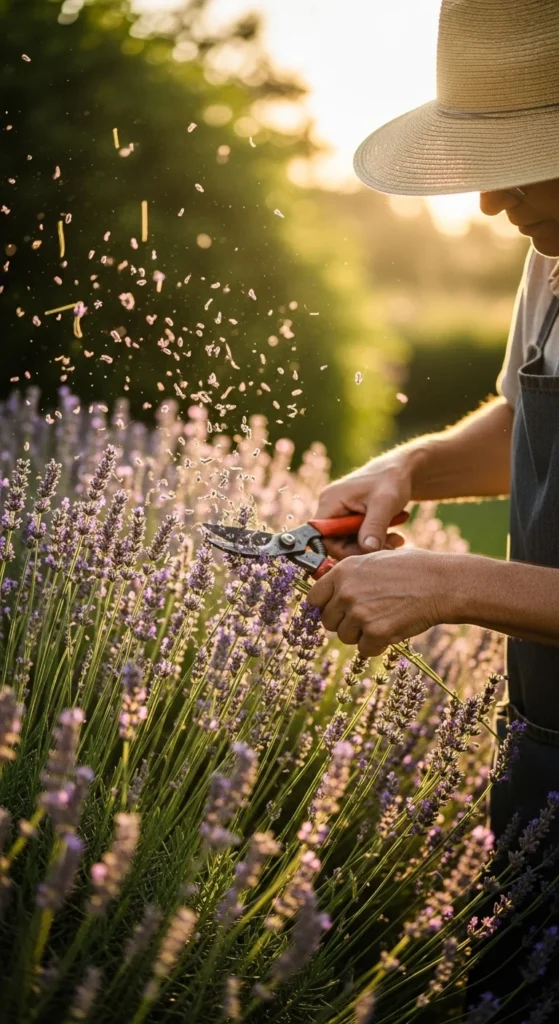
Regular pruning keeps your lavender lush and fragrant for years. It prevents the plant from becoming woody and helps produce more blooms.
How to Prune:
- Spring: Trim off winter-damaged stems once new growth appears.
- Mid-summer (after first bloom): Lightly shear faded flowers to encourage reblooming.
- Fall: Cut back about one-third of the plant, leaving some green growth.
Avoid cutting into the woody base — lavender doesn’t regrow well from old stems.
Harvest and Enjoy Your Lavender
Harvesting lavender is pure joy — the scent, the color, the calm!
- Best time to harvest: When buds are just starting to open for the strongest fragrance.
- Cut stems early in the morning: Oils are most concentrated before the day heats up.
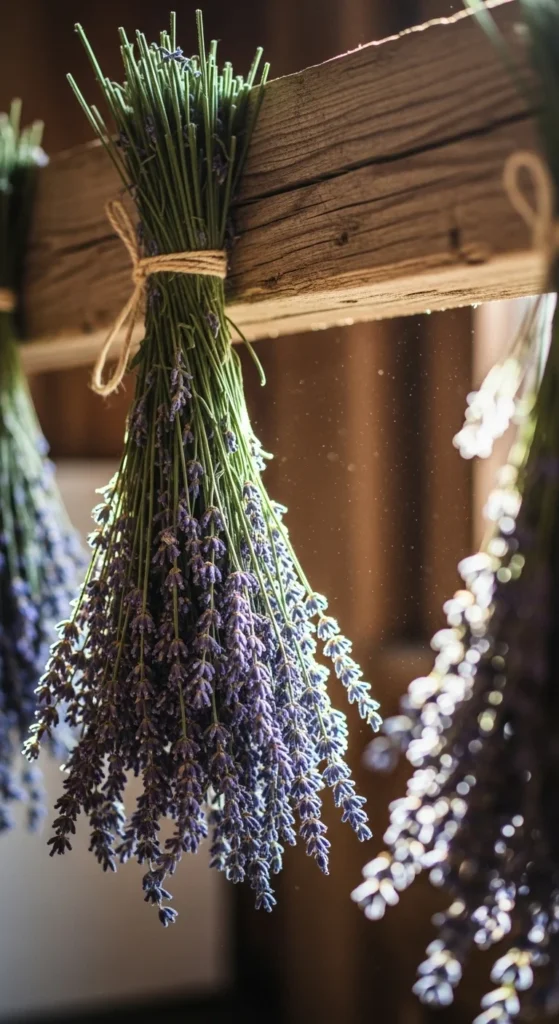
- Drying: Hang bunches upside down in a dark, ventilated space for 1–2 weeks.
Once dry, use your lavender in sachets, soaps, essential oils, or even homemade tea blends.
Common Mistakes to Avoid
Even though lavender is hardy, a few small missteps can cause problems.
- Overwatering — leads to root rot.
- Poor drainage — suffocates roots.
- Too much fertilizer — reduces bloom quality.
- Neglecting pruning — makes plants woody and less fragrant.
Stay mindful of these, and your lavender will reward you year after year.
Final Takeaway
Lavender isn’t just a plant — it’s an experience. From its heavenly scent to its timeless beauty, it turns any space into a peaceful retreat. With sun, drainage, and a touch of patience, you can grow lavender that smells truly divine.
Leave a Reply