

Every gardener has those “aha!” moments — when you realize which plants thrived, which ones flopped, and why. But what if you could capture all those insights in one place and use them to make your garden better every season? That’s where a garden journal comes in. It’s more than just a notebook — it’s your personal gardening roadmap to success.
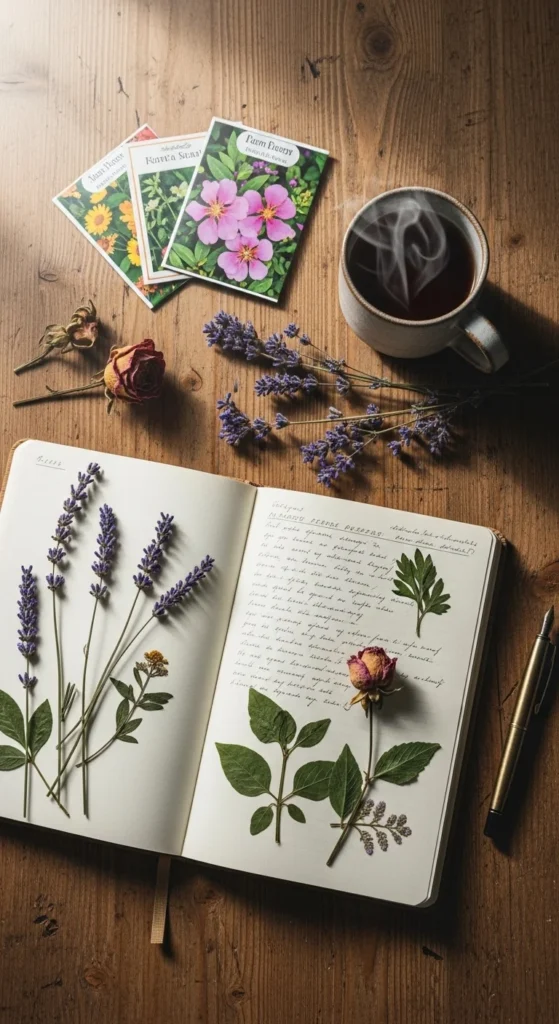
Why Keep a Garden Journal?
A garden journal helps you track, plan, and improve your gardening journey year after year. It’s like having a conversation with your past self — learning from what worked and what didn’t.
Here’s why it’s worth keeping one:
- Track progress: Watch your garden evolve from seed to harvest.
- Avoid mistakes: Remember what failed so you don’t repeat it next year.
- Plan smarter: Use notes to time plantings and rotations more efficiently.
- Boost creativity: Jot down design ideas, plant combos, or garden dreams.
Even five minutes of journaling a week can transform how you garden.
Choose the Right Journal Format
Before you start writing, pick the format that fits your style and routine.
- Classic notebook: Great for quick sketches and handwritten notes. Choose one with thick pages that handle dirt smudges and outdoor use.
- Binder system: Perfect if you love structure — you can add calendars, printouts, and dividers for different topics.
- Digital journal: Ideal for tech-savvy gardeners. Apps or spreadsheets let you add photos, charts, and reminders.
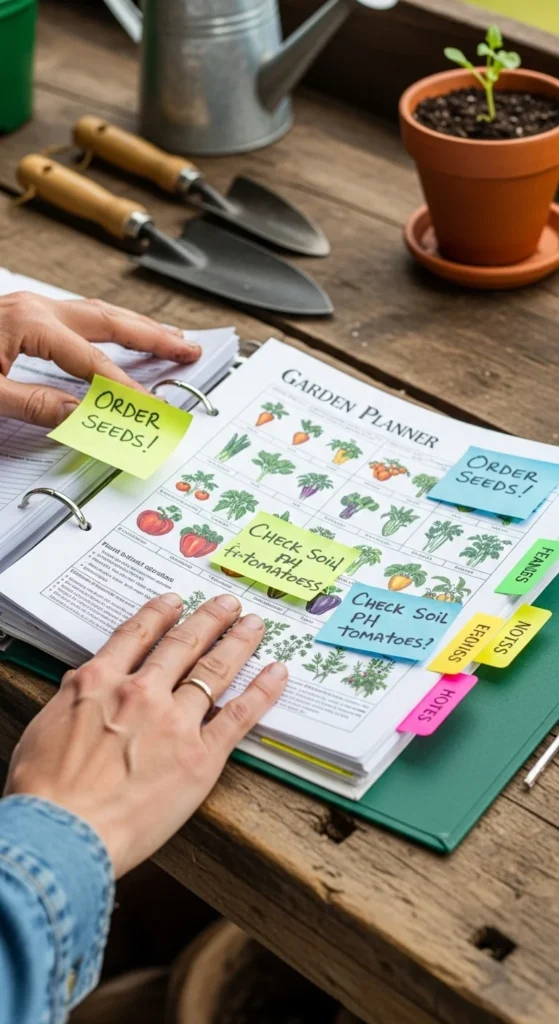
The best journal is the one you’ll actually use — so pick what feels natural.
What to Include in Your Garden Journal
Your journal doesn’t need to be fancy. Focus on information that will help you grow better plants year after year. Here are some key sections to include:
1. Garden Layouts & Plans
Sketch or print your garden design. Mark where you plant each crop to track rotations and companion planting ideas.
2. Planting Dates
Record when you sow seeds, transplant, and harvest. Include frost dates and germination times for reference.
3. Weather & Soil Notes
Keep an eye on temperature trends, rainfall, and soil conditions. This helps you spot patterns and predict future growth.
4. Pest & Disease Log
Write down what pests appeared, what remedies worked, and how long recovery took.
5. Harvest Records
Track yields, flavor notes, and storage life. You’ll quickly see which varieties are worth replanting.
Add Photos and Visuals
A picture is worth a thousand words — especially in gardening. Adding photos helps you see your garden’s progress at a glance.
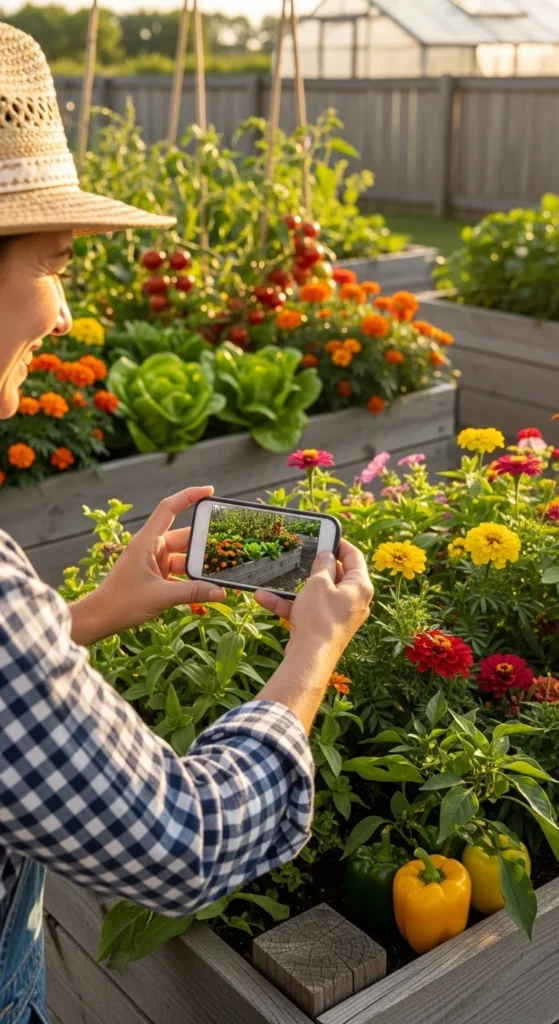
- Snap a photo of your garden each month to see growth patterns.
- Take close-ups of pests or plant problems for future comparison.
- Print and glue photos directly into your journal, or store them digitally.
You can even create a “before and after” page for each season to celebrate how far you’ve come.
Make It Personal and Fun
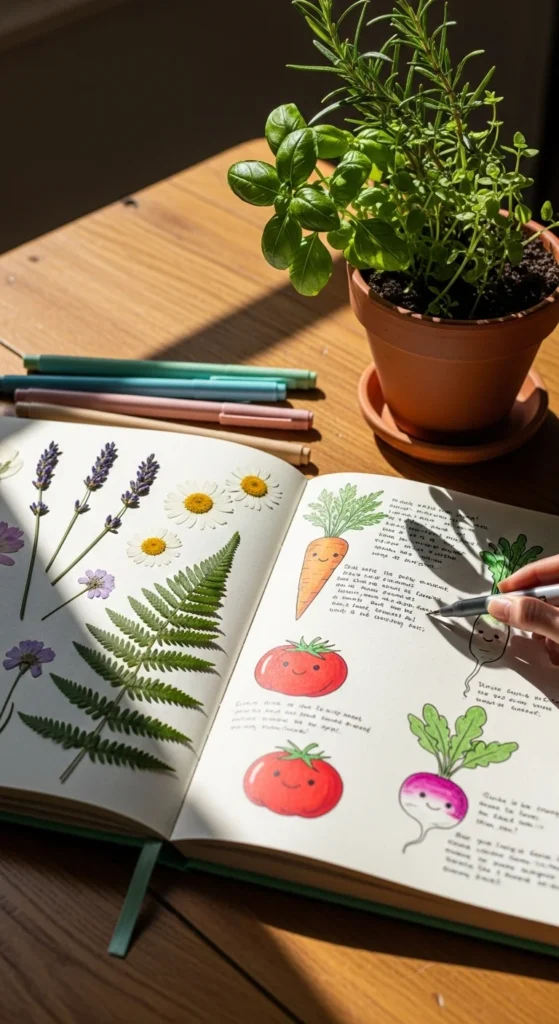
Your garden journal should reflect you — not just your plants. Add a creative twist to make it enjoyable to use.
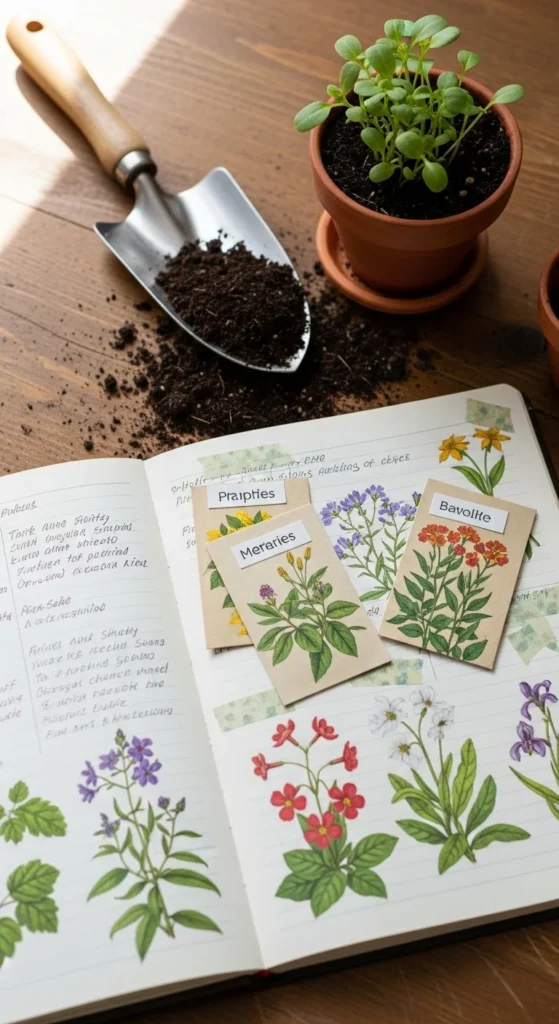
- Decorate with pressed flowers, washi tape, or hand-drawn sketches.
- Include a “Garden Dreams” section for future ideas or wish lists.
- Add quotes or affirmations to keep you inspired through weeding season.
And don’t forget to celebrate wins! Did you finally grow perfect tomatoes? Write it down and give yourself a little star.
Review and Reflect Regularly
A few minutes of reflection at the end of each month can make a huge difference in your gardening success.
Ask yourself:
- What worked best this month?
- What challenges did I face?
- What will I do differently next time?
By the end of the year, you’ll have a treasure trove of personalized gardening wisdom — something you can build on every season.
Final Takeaway
A garden journal is more than a notebook — it’s your secret weapon for growing smarter, healthier, and happier gardens. It keeps you grounded, organized, and connected to your gardening journey.

Leave a Reply