

Dreaming of a garden that’s both beautiful and easy to manage? A well-designed raised bed layout can make your garden not only productive but also a joy to work in. Whether you’re growing herbs, vegetables, or flowers, planning your layout the right way saves space, reduces maintenance, and keeps everything thriving.
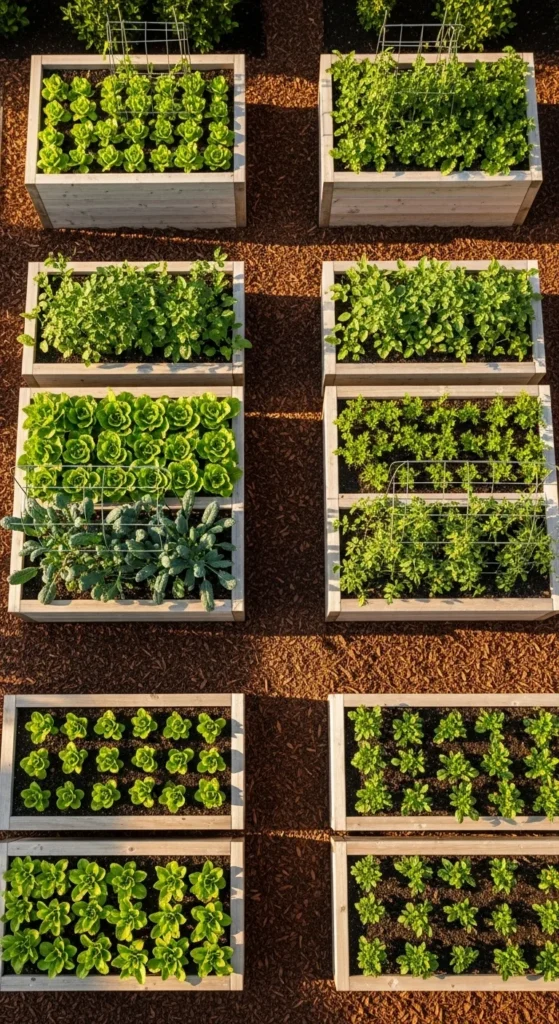
Start with the Right Location
Before you start sketching or building, the first step is finding the best spot for your raised beds.
- Sunlight is key: Most vegetables need at least 6–8 hours of sunlight daily. Choose a sunny area away from tall trees or fences.
- Avoid soggy ground: Pick a location with good drainage so your beds don’t become waterlogged.
- Think about convenience: Place beds near a water source and close enough to your house that you’ll actually tend to them.
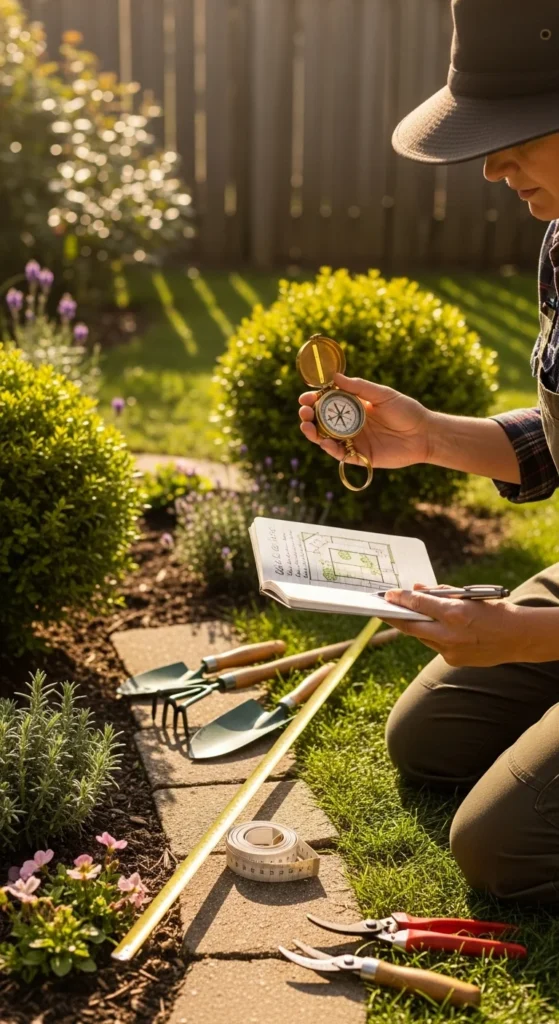
Design Your Garden Layout
Now it’s time to plan the shape, spacing, and arrangement of your raised beds. A thoughtful design makes your garden efficient and visually appealing.
1. Bed Size and Shape
- Keep beds no wider than 4 feet, so you can reach the center from either side without stepping on the soil.
- Length can vary, but 6–12 feet is practical for most backyards.
- Height: 10–12 inches works well for most crops, but deeper beds (up to 18 inches) are great for root vegetables like carrots or potatoes.
2. Pathways
- Leave at least 2 feet between beds for easy movement and wheelbarrow access.
- Cover paths with mulch, gravel, or stepping stones to keep weeds down and feet dry.
3. Shapes and Patterns
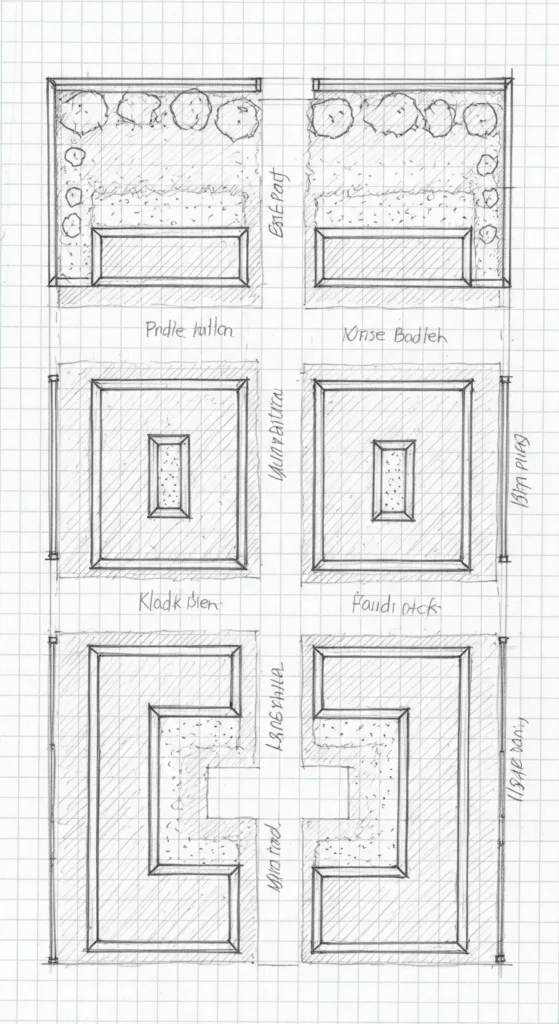
- Rectangular beds are classic, but consider L-shapes or U-shapes for creative layouts.
- Arrange beds in grids or clusters depending on your garden size and style.
Optimize for Sun, Water, and Access
Smart garden planning isn’t just about looks — it’s about functionality.
- Sunlight direction: Plant taller crops like tomatoes, corn, or trellised beans on the north side so they don’t shade shorter plants.
- Water efficiency: Group thirsty plants (like cucumbers or lettuce) together and drought-tolerant ones (like rosemary or sage) in another area.
- Easy access: Leave enough room for kneeling, watering, and harvesting without compacting the soil.
If possible, install a drip irrigation system early on — it saves time and water in the long run.

Plan What to Plant — and Where
Once your layout is set, think strategically about what to grow in each bed.
Companion Planting Tips
Pair plants that help each other thrive:
- Tomatoes + Basil: Improves flavor and deters pests.
- Carrots + Onions: The onion scent keeps carrot flies away.
- Corn + Beans + Squash: The classic “Three Sisters” combination supports mutual growth.
Crop Rotation
Don’t plant the same family of vegetables in the same bed year after year. Rotate them annually to prevent soil nutrient depletion and pest buildup.
Seasonal Planning
- Use one bed for cool-weather crops (like lettuce, peas, and broccoli).
- Dedicate another for warm-weather plants (like peppers and cucumbers).
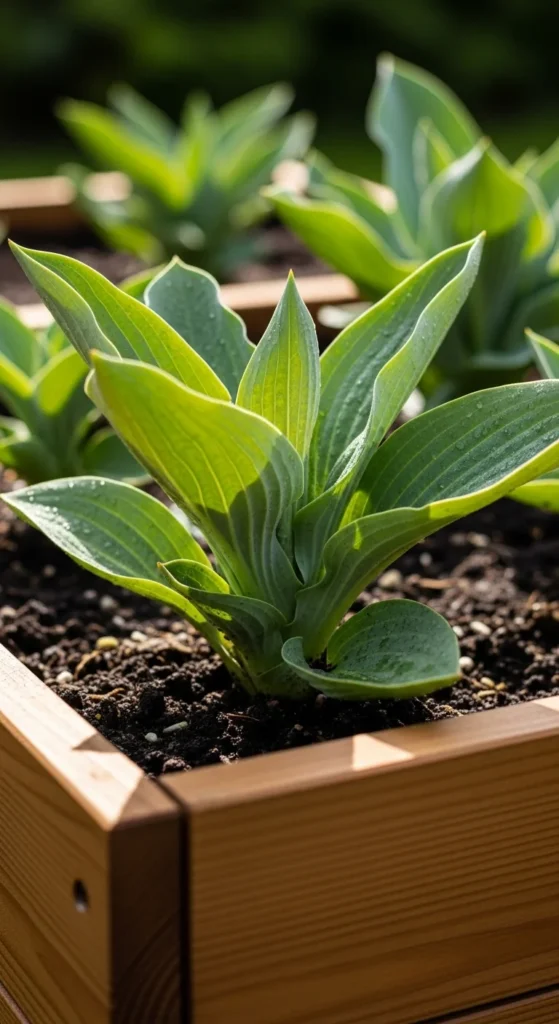
Add Finishing Touches
Your raised bed garden should be both functional and inspiring.
- Add edging: Wooden or stone edges give your garden a clean, polished look.
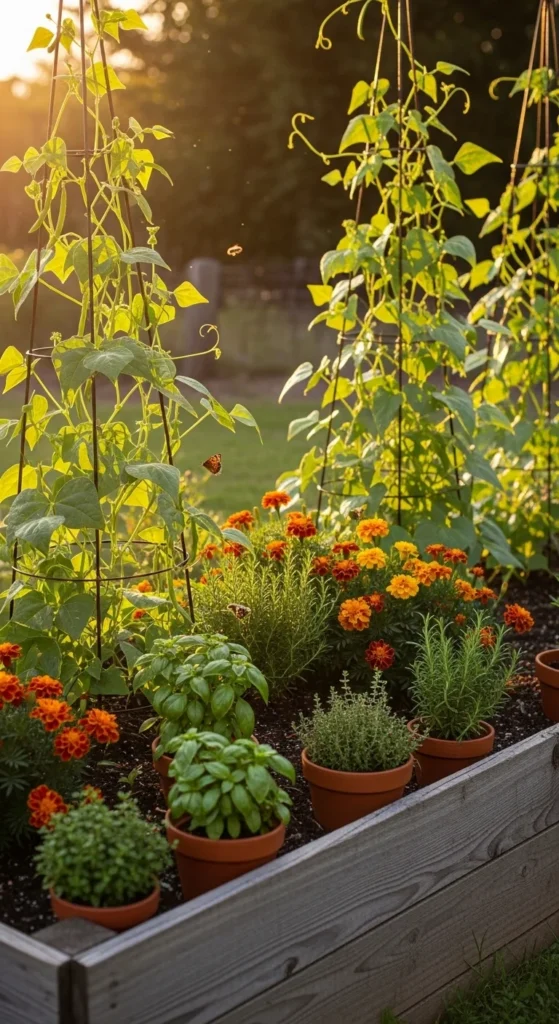
- Include trellises: They save space and look beautiful covered with climbing peas, beans, or flowers.
- Decorate with purpose: Use potted herbs, solar lights, or a small bench to make your space inviting.
You can even add a central pollinator bed filled with flowers like marigolds or zinnias to attract bees and butterflies — essential for plant health.
Final Takeaway
Planning your raised bed layout is part science, part art. The more thought you put into sunlight, spacing, and plant combinations, the more rewarding your garden will be. Whether you’re growing fresh vegetables for your kitchen or flowers for beauty, a smart layout makes everything easier and more abundant.

Leave a Reply