

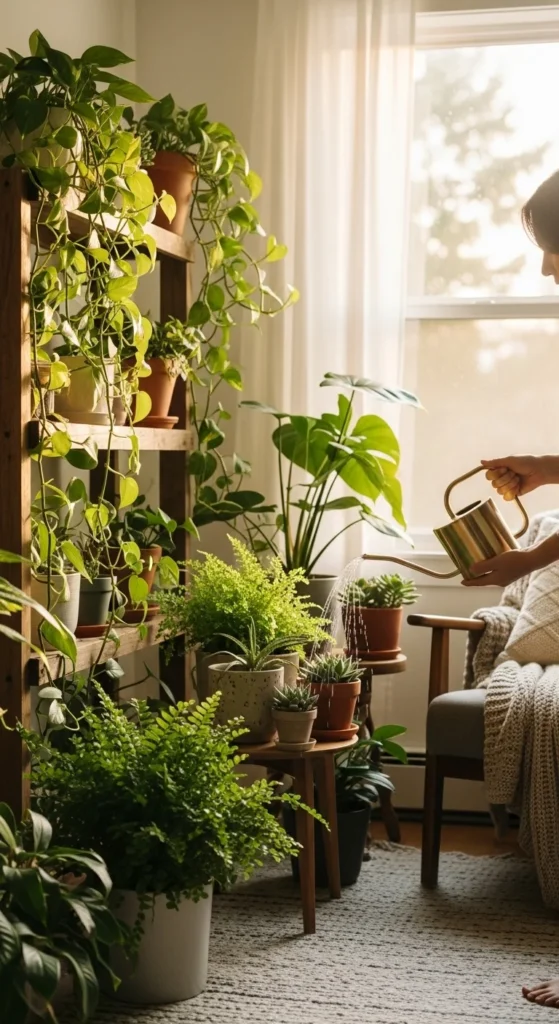
Indoor plants can transform any room — but keeping them alive takes more than just watering. Yellow leaves, dry edges, and droopy stems often come from small mistakes. The good news? A few easy habits can turn struggling plants into lush, vibrant greenery. These 22 indoor plant care tips will help you prevent dying leaves and keep your plants thriving all year long.
1. Check the Light Before You Buy
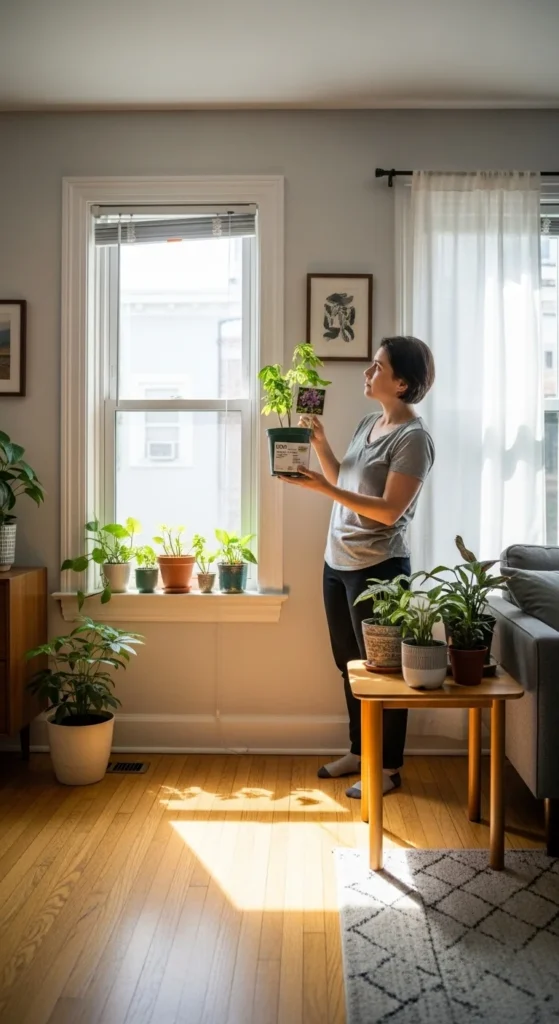
Before bringing a new plant home, match it with your space’s light level. A snake plant thrives in shade, while succulents crave sunlight. Observe how long light stays in your room daily — it helps you pick the right plant for each spot.
2. Don’t Overwater
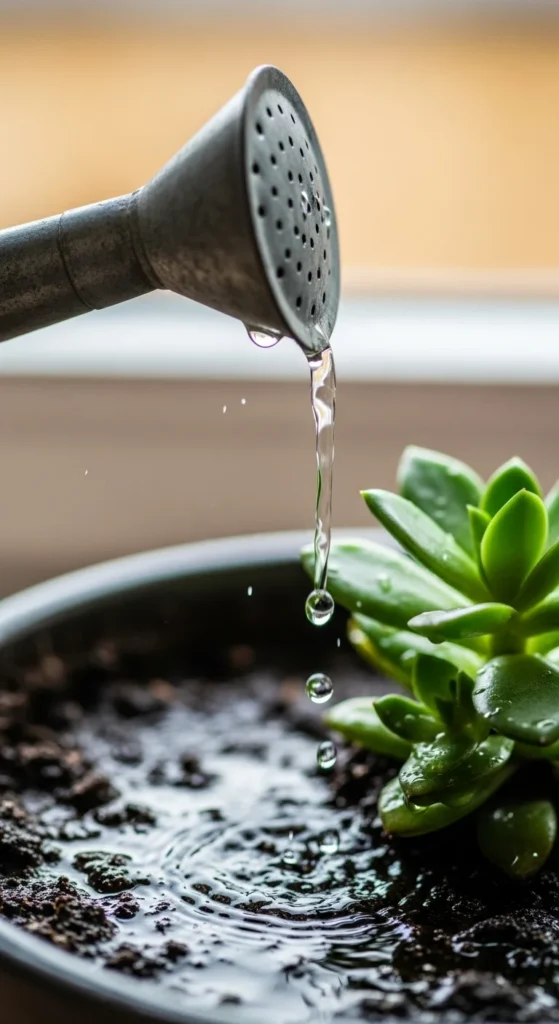
Too much water suffocates roots. Let the top inch of soil dry before watering again. Use pots with drainage holes and empty saucers after watering. Consistency matters more than frequency.
3. Use the Right Pot
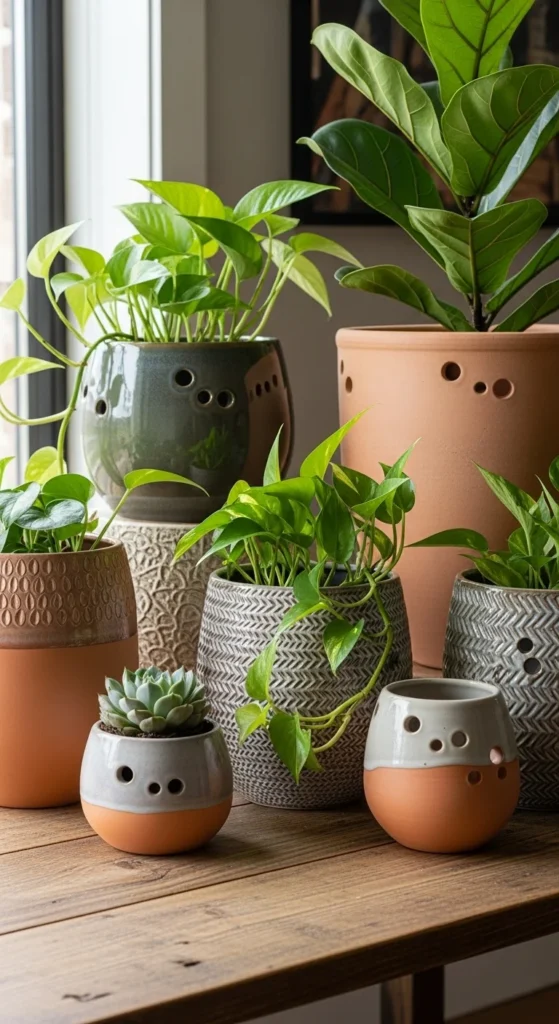
Choose pots with drainage holes to prevent soggy roots. Terracotta pots dry faster, great for succulents, while plastic holds moisture longer for tropical plants. Match the pot to your plant’s natural environment.
4. Let Soil Breathe
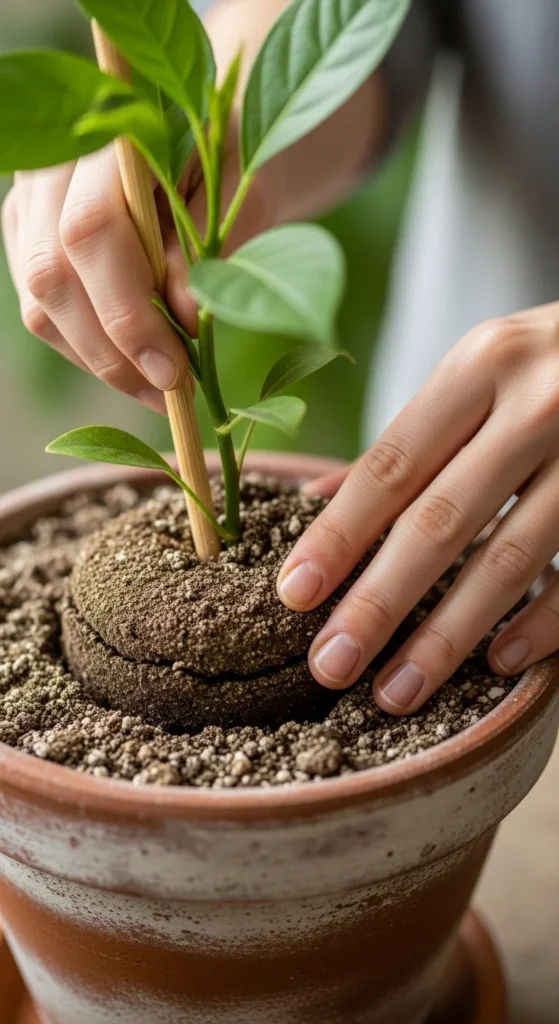
Compact soil blocks airflow. Gently aerate it with a chopstick or fork every few weeks. It helps roots breathe and keeps nutrients moving freely.
5. Wipe the Leaves
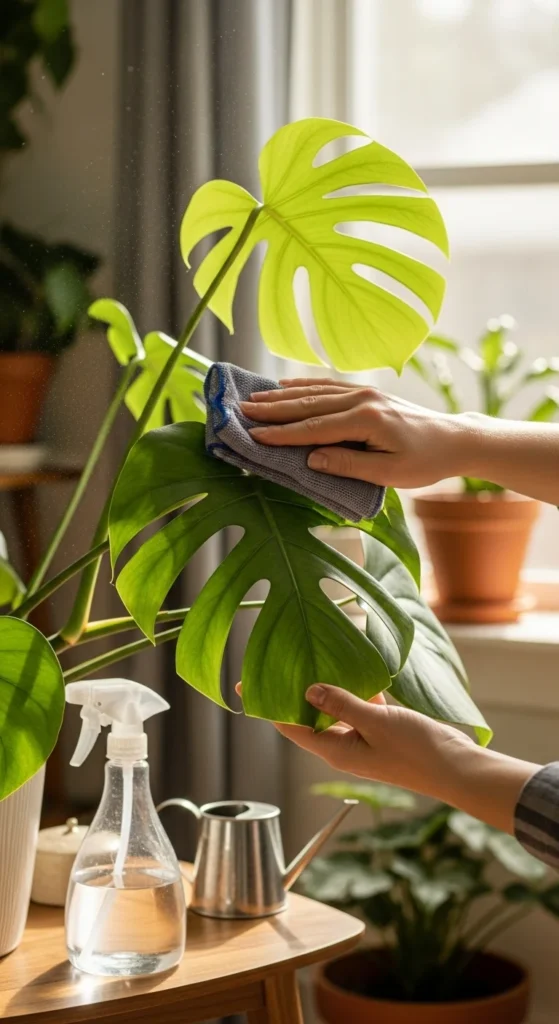
Dust blocks sunlight and clogs pores. Wipe leaves every two weeks with a damp cloth or mist them lightly. Clean leaves absorb more light and stay glossy.
6. Rotate Plants Regularly
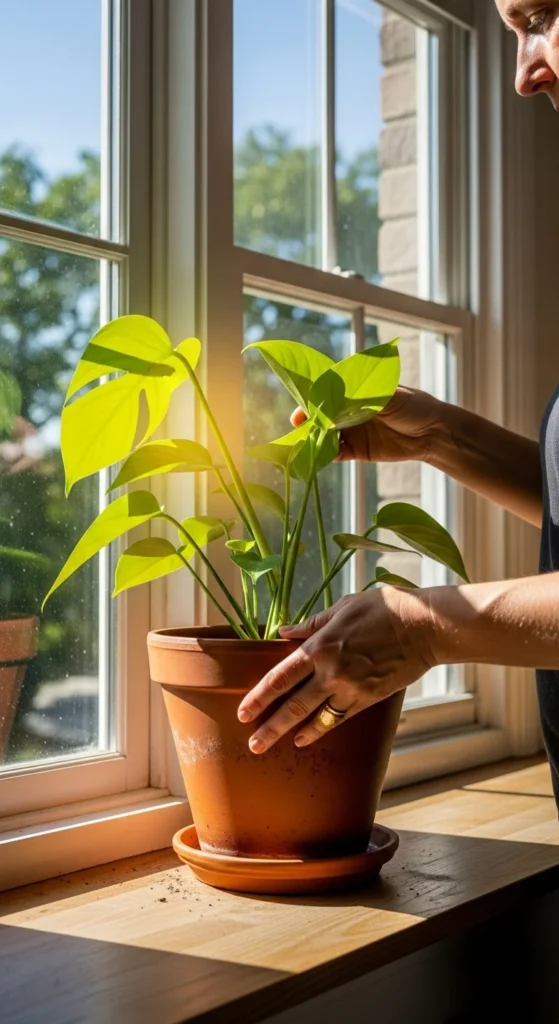
Plants naturally lean toward light. Rotate them a quarter turn each week to encourage even growth. This keeps stems straight and leaves balanced.
7. Use Room-Temperature Water
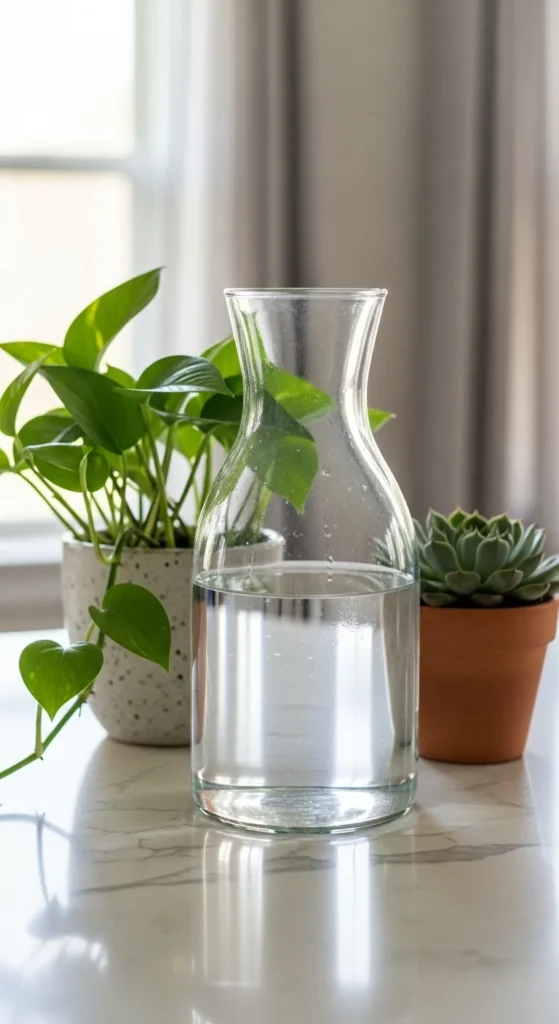
Cold water shocks roots; hot water damages them. Fill your watering can and let it sit for a few hours. The temperature matches the room, making watering gentler on roots.
8. Group Plants for Humidity
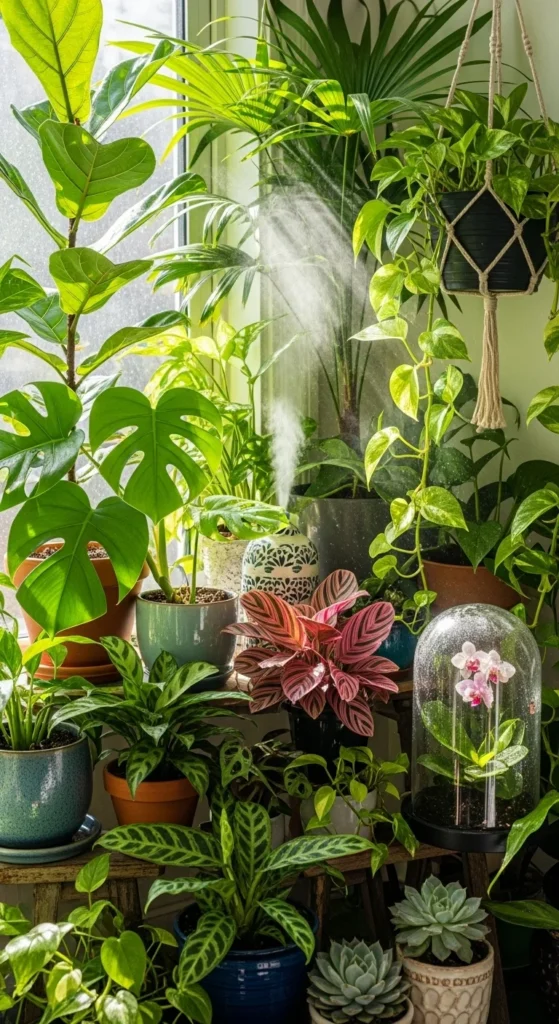
Grouping plants helps maintain natural humidity. As they release moisture, they benefit each other. Great for ferns, calatheas, and peace lilies that love a humid environment.
9. Mist Wisely
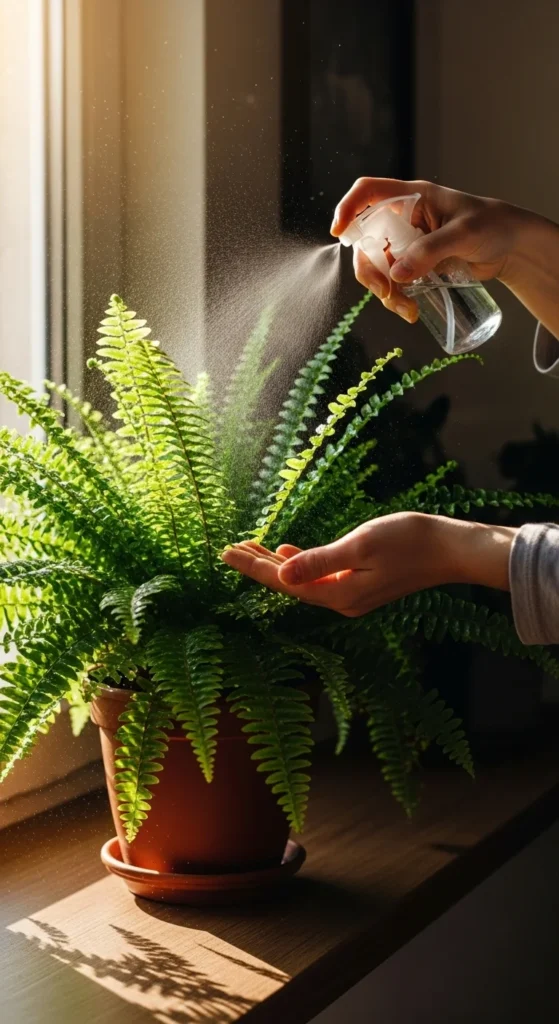
Mist tropical plants in the morning to mimic dew. Avoid misting at night — trapped moisture invites mold. Always use filtered or distilled water to prevent white spots.
10. Feed Monthly During Growing Season
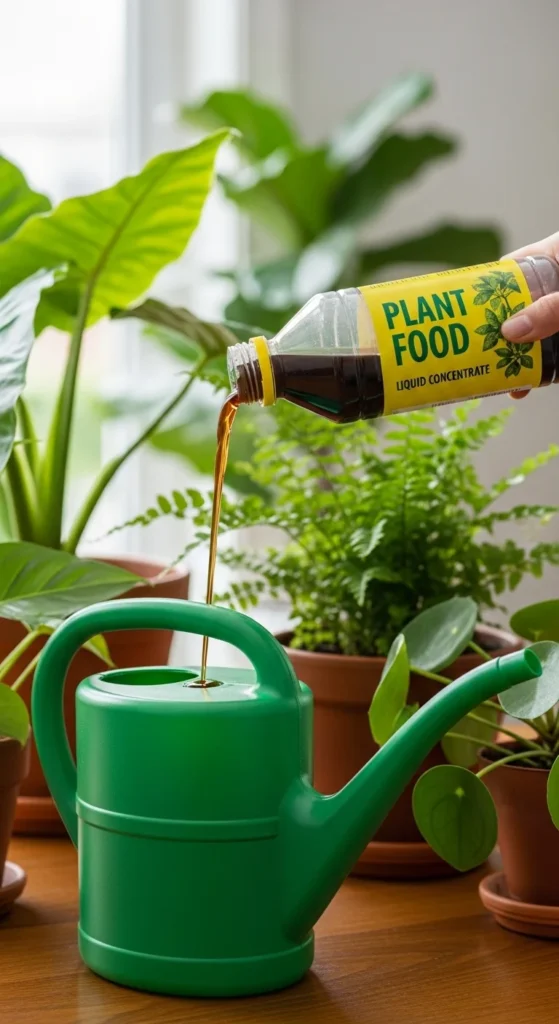
Most plants grow actively in spring and summer. Add liquid fertilizer once a month to encourage lush growth. Skip feeding during winter rest periods.
11. Repot When Roots Show
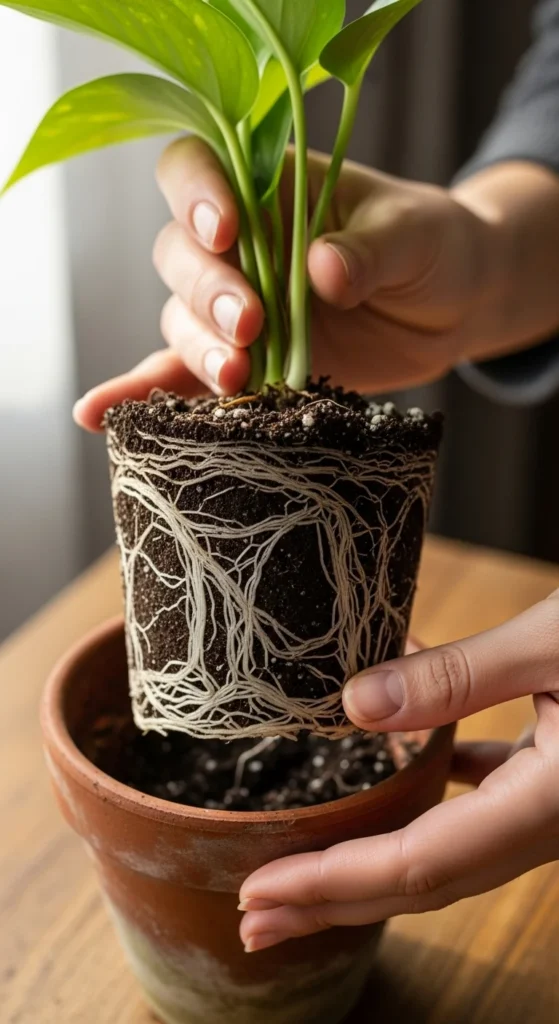
If roots poke through drainage holes or circle the pot, it’s time to repot. Move up just one pot size. Add fresh soil to give roots room and nutrients.
12. Prune Brown Leaves Early
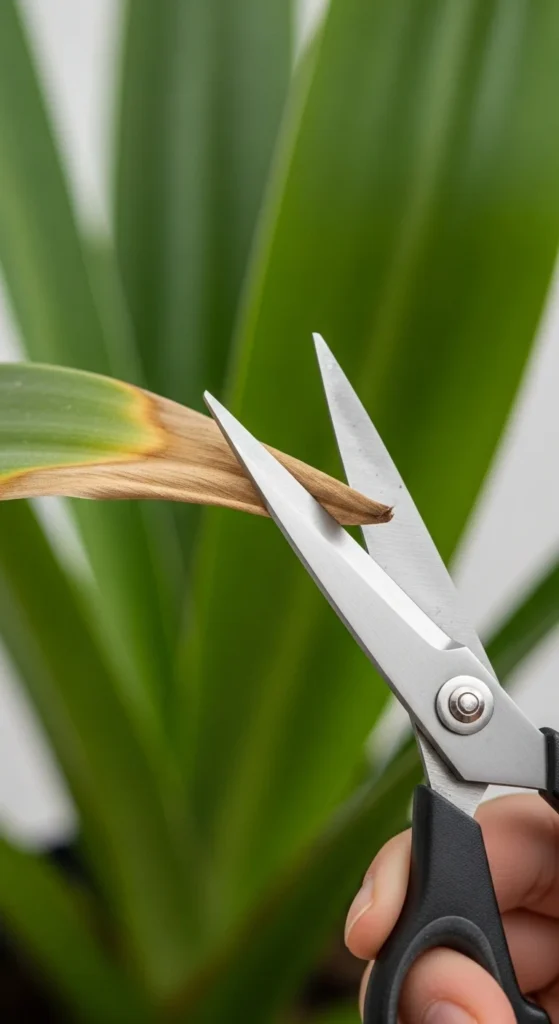
Brown or dying leaves drain energy from healthy growth. Snip them off near the base. It helps the plant redirect energy toward new leaves.
13. Keep Plants Away from Drafts
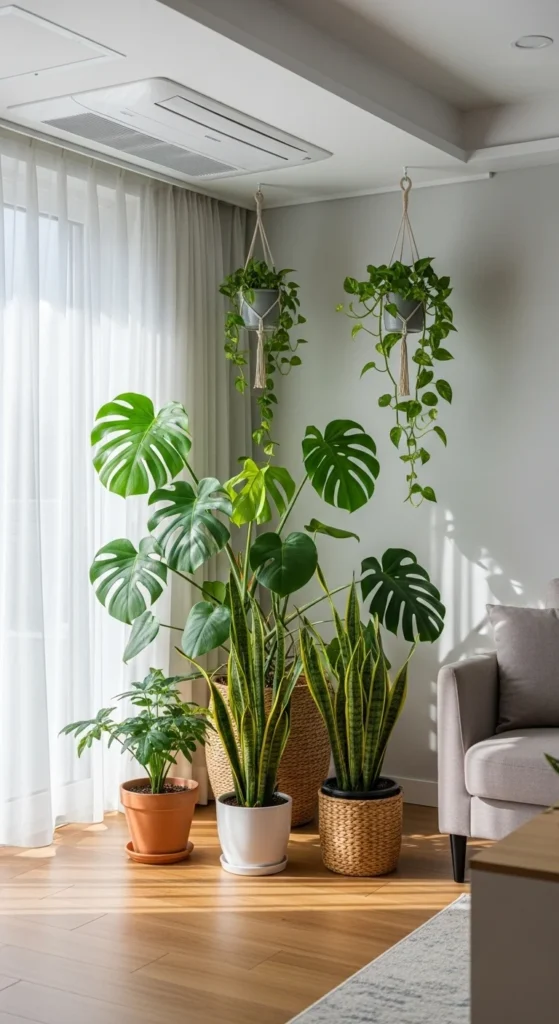
Cold drafts and heat vents dry plants fast. Keep them a few feet away from windows, doors, or radiators. Stable temperatures help prevent leaf drop.
14. Clean the Pots Too
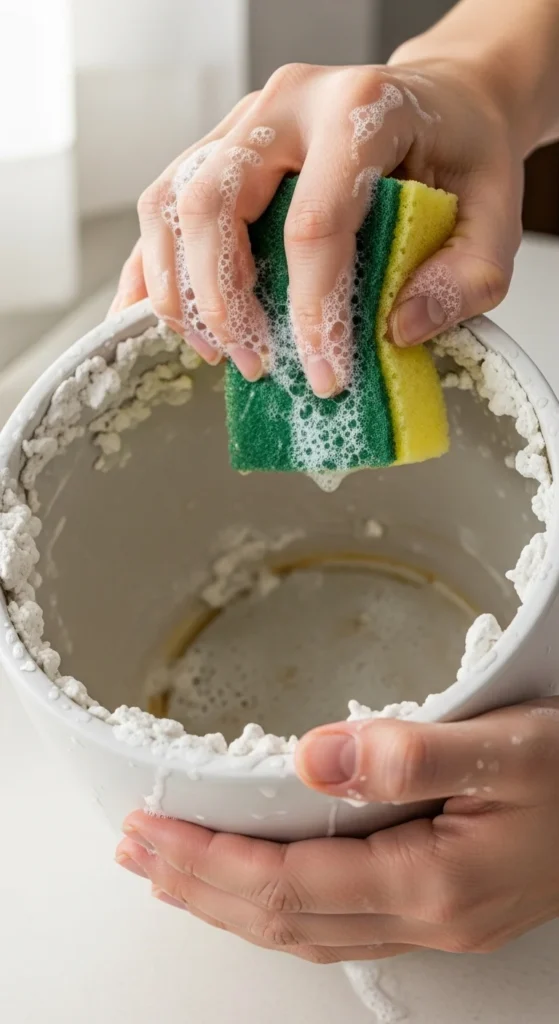
Mineral deposits from fertilizer or hard water can block drainage. Clean pots during repotting with mild vinegar and rinse well before reuse.
15. Use Pebble Trays for Moisture
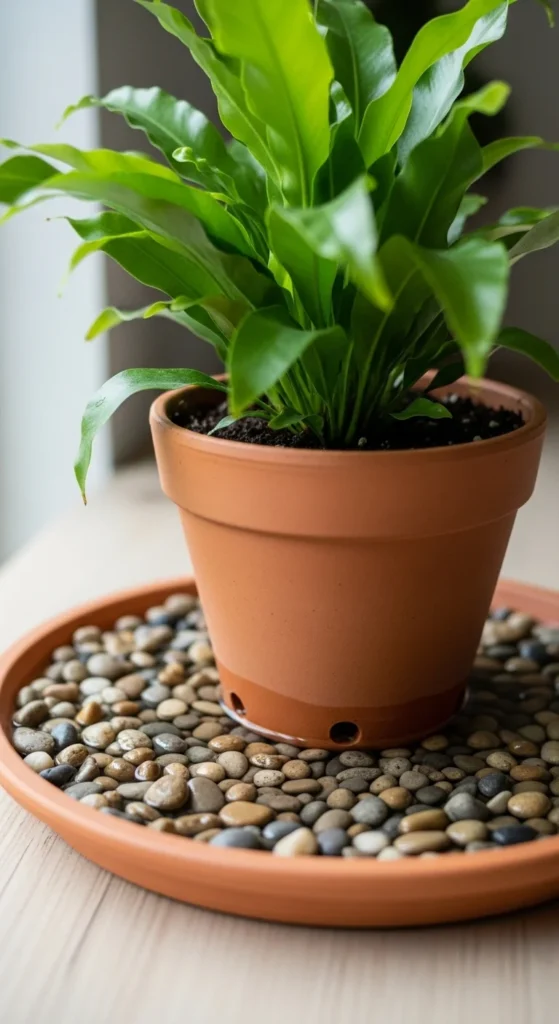
Fill a shallow tray with pebbles and water, then place your pot on top. As water evaporates, it adds humidity without soaking roots — perfect for dry indoor air.
16. Avoid Constant Moving
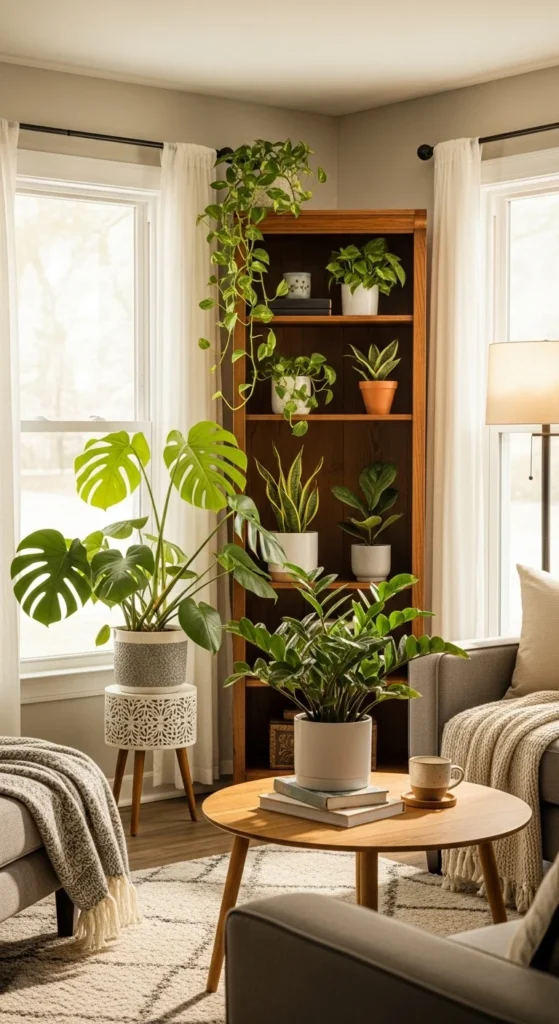
Frequent repositioning confuses plants. They adapt to specific light and humidity conditions. Pick a good spot and let them settle in for steady growth.
17. Learn Each Plant’s Personality
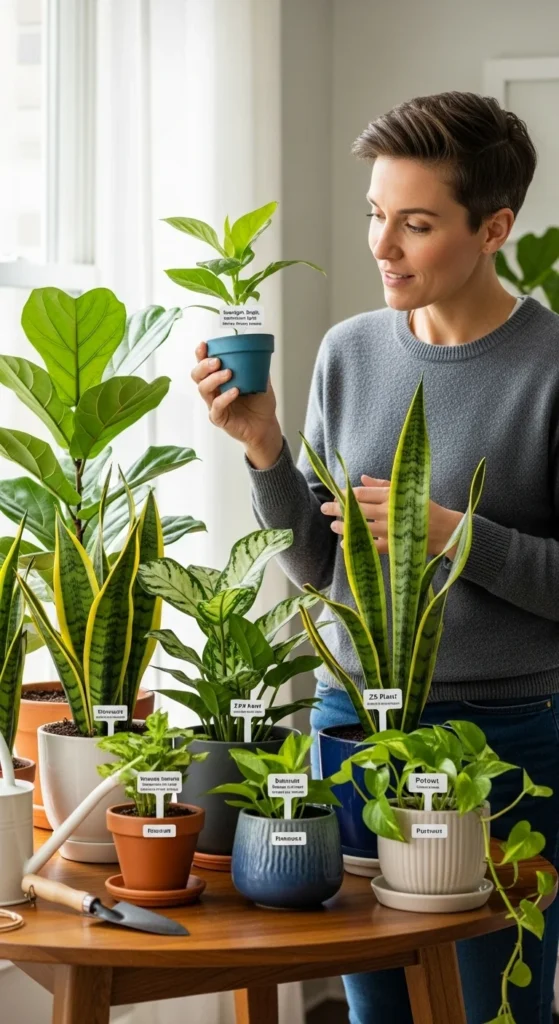
Every plant has unique care habits. Some like full sun; others prefer shade. Take a few minutes to read their tags or research your plant type — small knowledge saves big frustration.
18. Water from the Bottom Sometimes
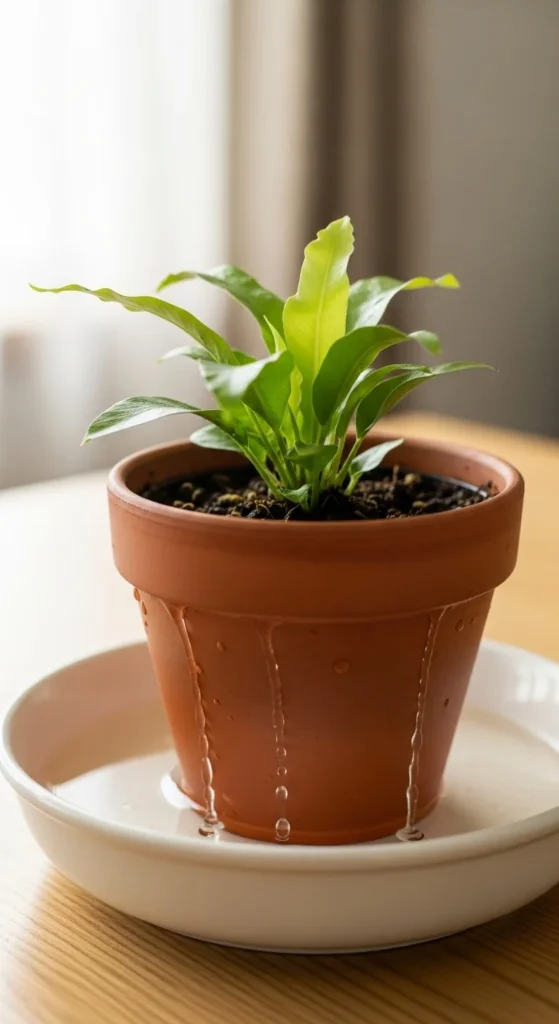
Letting plants absorb water from the bottom strengthens roots. Place pots in a tray of water for 15 minutes, then drain. It prevents overwatering and encourages deep hydration.
19. Watch for Pests
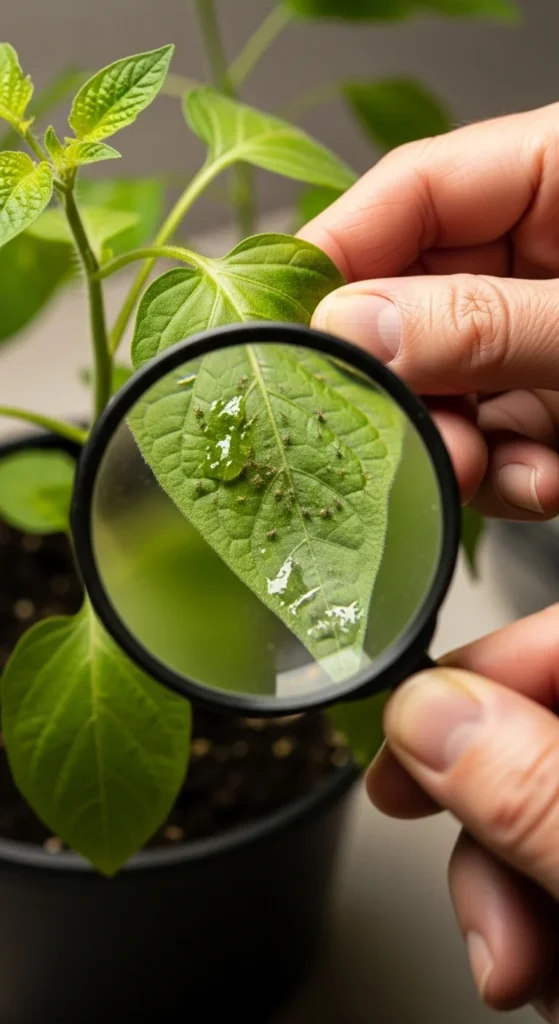
Check leaves weekly for sticky residue, holes, or webbing. Wipe pests off with soapy water or neem oil. Quick action prevents infestations from spreading.
20. Give Them a Vacation Outdoors
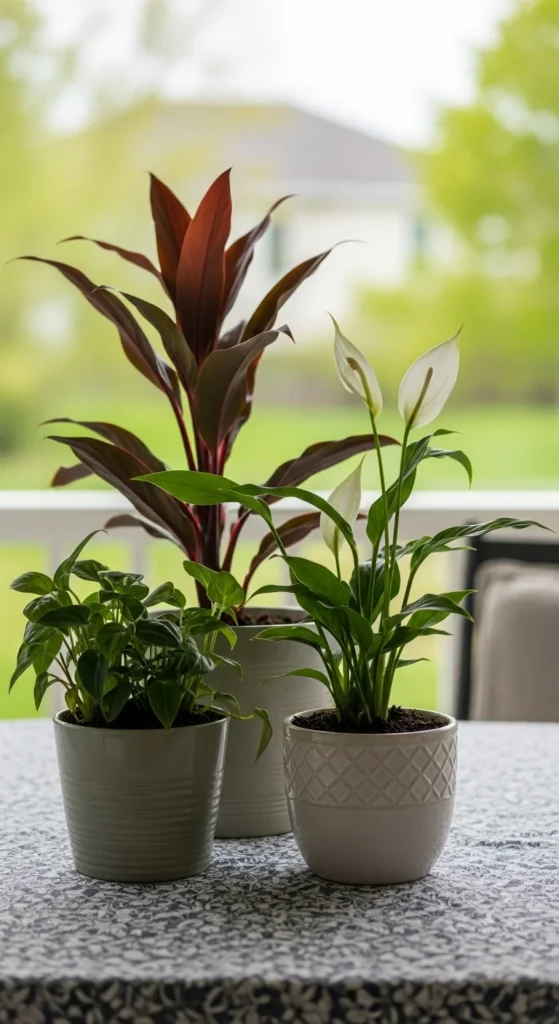
In mild weather, take houseplants outside for a few hours. Fresh air and indirect sunlight refresh them. Avoid midday sun — it can scorch delicate leaves.
21. Match Plants to Your Lifestyle
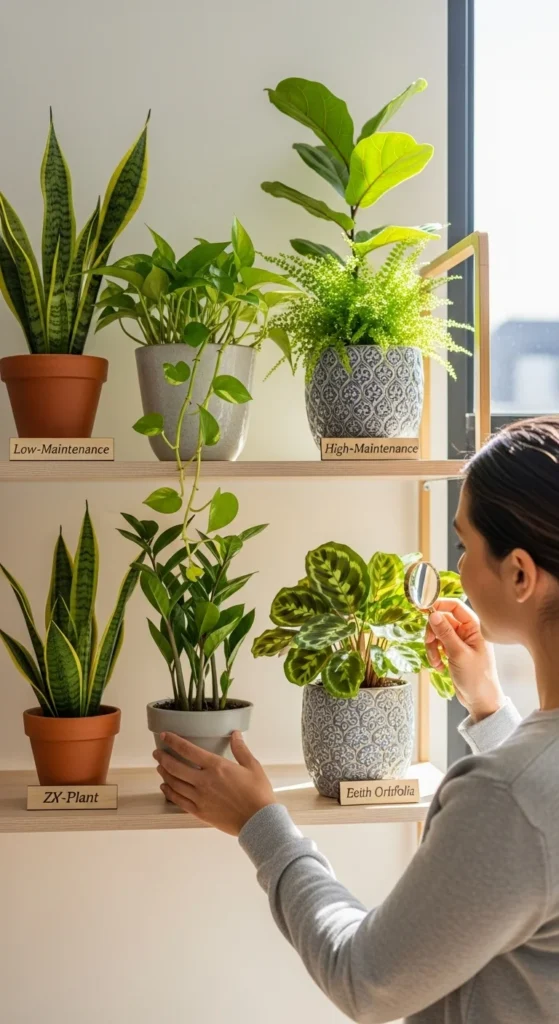
Busy schedule? Go for hardy plants like ZZ plants or pothos. Love attention to detail? Try calatheas or orchids. Matching your routine prevents neglect and frustration.
22. Trust the Signs
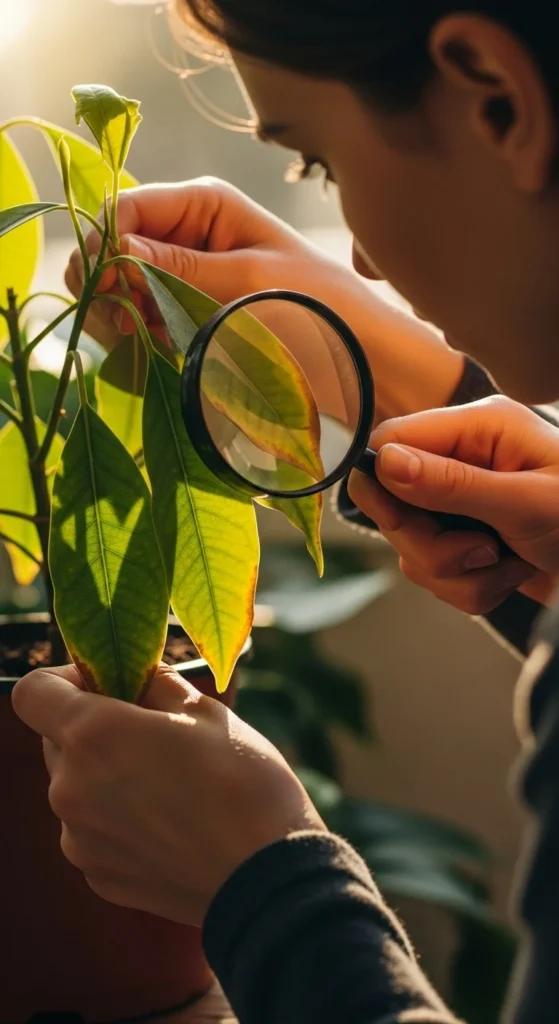
Leaves communicate — yellow means too much water, crispy tips mean too little humidity. Observe and adjust slowly. Consistent care always beats quick fixes.
Conclusion
Healthy indoor plants bring calm, color, and clean air into your home. With these easy habits, you’ll stop guessing and start growing confidently. Give your plants the light, water, and love they need — and they’ll reward you with thriving, vibrant leaves all year long.

Leave a Reply