

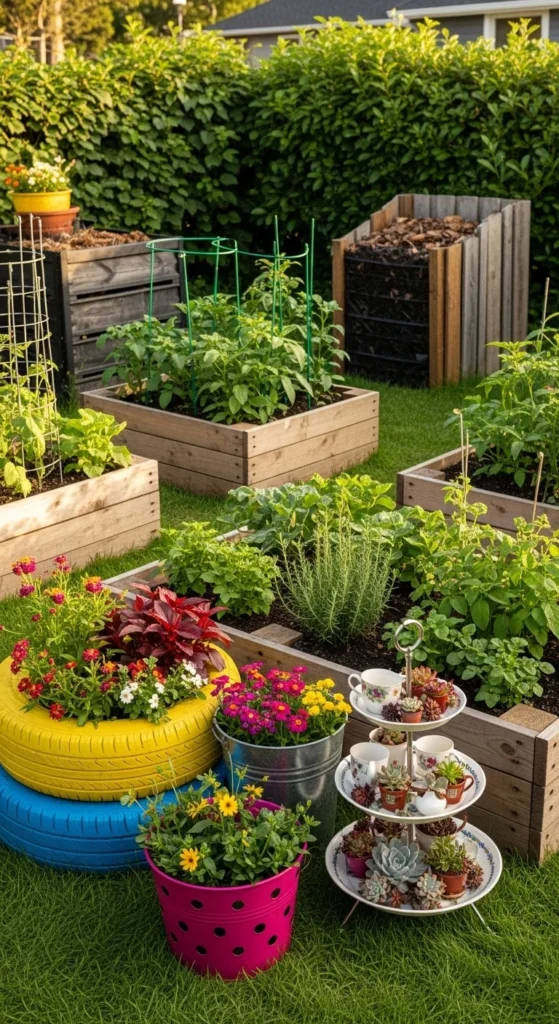
Gardening doesn’t have to drain your wallet. With a few smart tricks, you can save big while keeping your garden thriving year-round. From repurposing household items to homemade fertilizers, these 22 low-cost gardening hacks help you stretch your budget, reuse materials, and get more from every plant.
1. Use Kitchen Scraps for Fertilizer
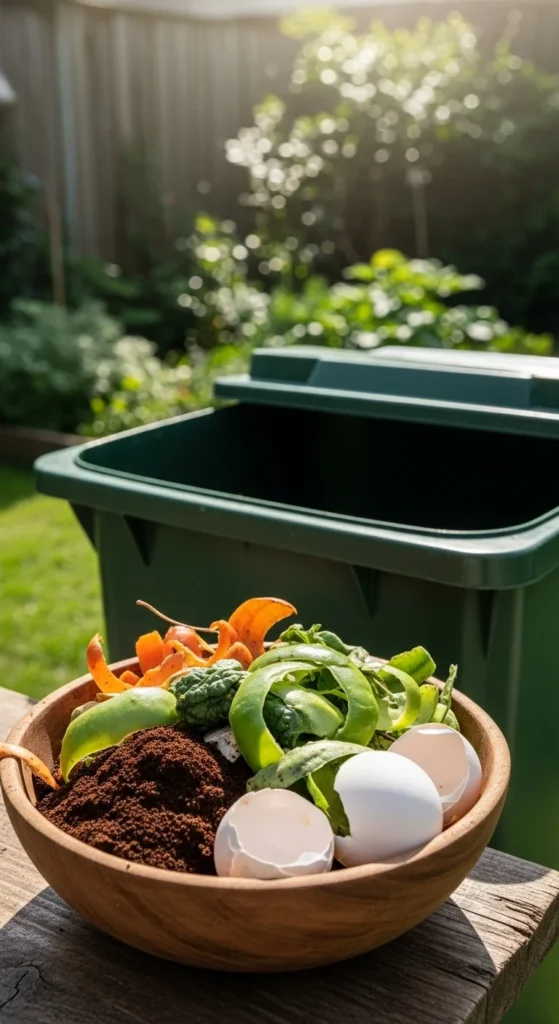
Save your food scraps — they’re packed with nutrients your plants love. Banana peels add potassium, eggshells supply calcium, and coffee grounds boost nitrogen. Chop and bury them near roots or toss into compost. It’s free, easy, and keeps waste out of landfills.
2. Make a DIY Compost Bin
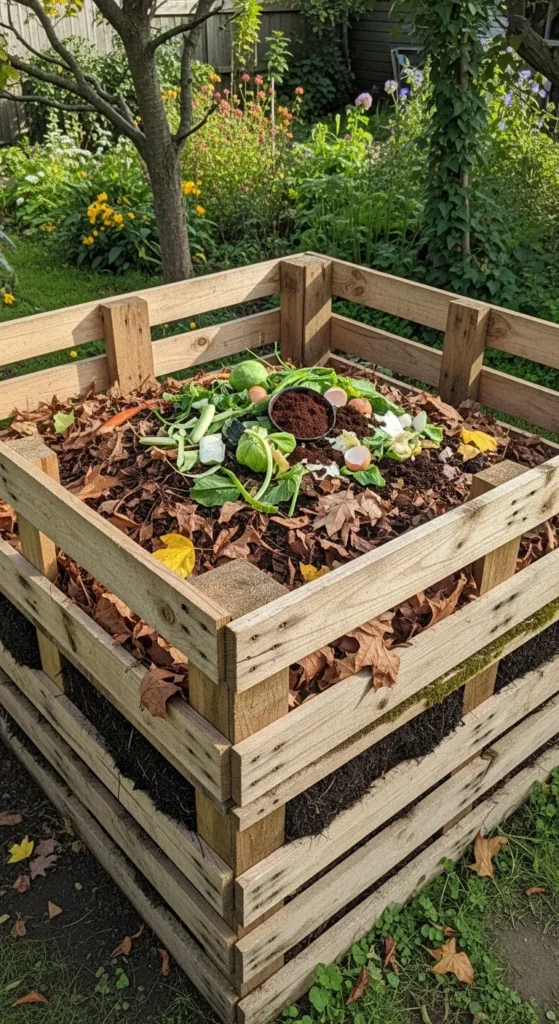
Skip store-bought composters. Use wooden pallets, old buckets, or even plastic storage bins with holes for airflow. Layer food waste with leaves or soil, and turn it weekly. In a few months, you’ll have rich, dark compost ready to feed your plants.
3. Regrow Veggies from Scraps
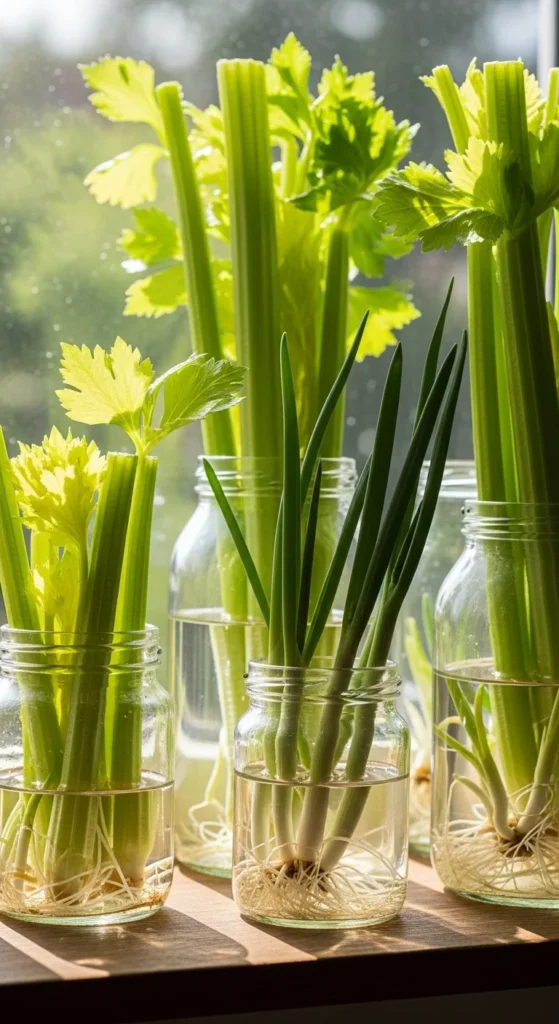
Many vegetables regrow from leftovers. Place celery bases, green onions, or lettuce stems in water until roots form, then replant them. It’s fun, free, and a great way to grow endless greens indoors or in small garden spaces.
4. Collect Rainwater
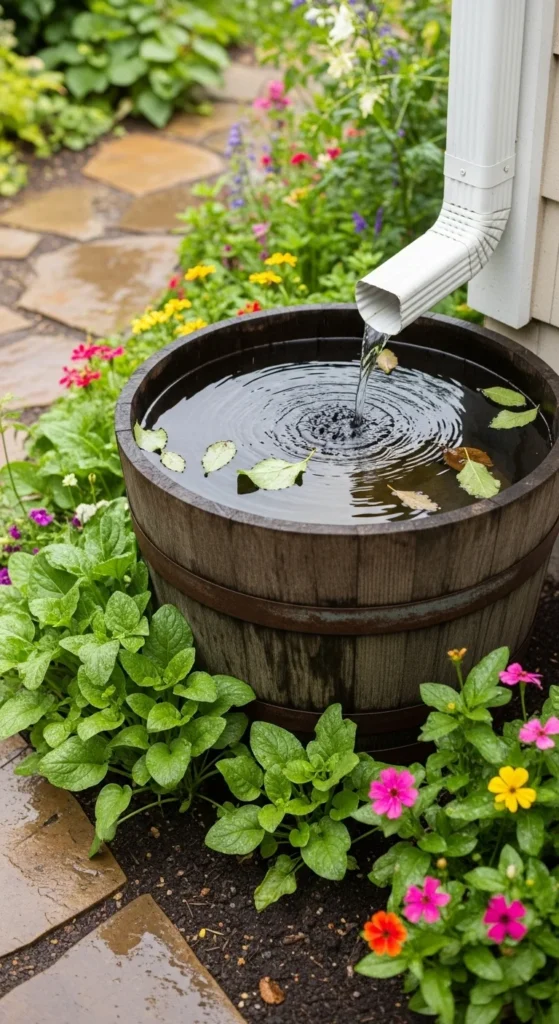
Use a barrel or large container to capture rainwater from your roof. It’s free, soft water that plants prefer over tap water. Keep it covered to prevent mosquitoes and debris.
5. Start Seeds in Egg Cartons
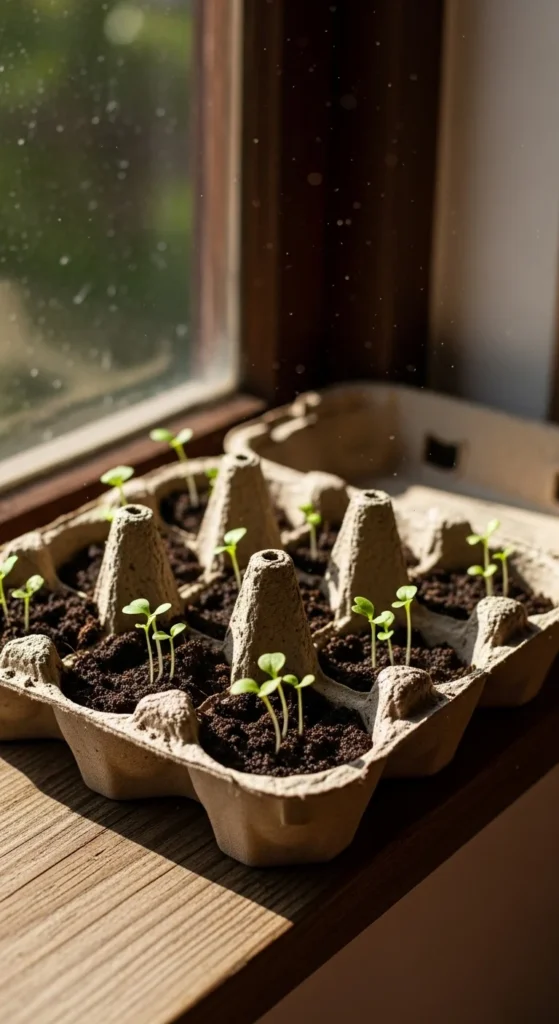
Egg cartons make perfect seed starters. Fill each cup with soil, plant your seeds, and keep them moist. Once seedlings sprout, you can plant the whole section directly — the carton will decompose naturally.
6. Use Newspaper as Weed Barrier
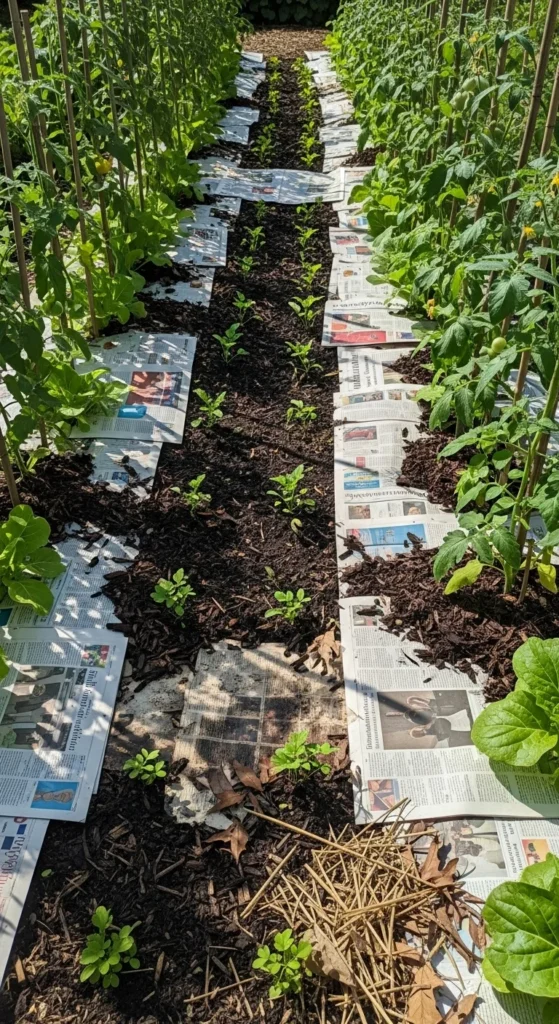
Lay several layers of newspaper around your plants and cover them with mulch. It blocks weeds, holds moisture, and eventually breaks down into compost. A simple, zero-cost way to keep your beds tidy.
7. Create DIY Plant Markers
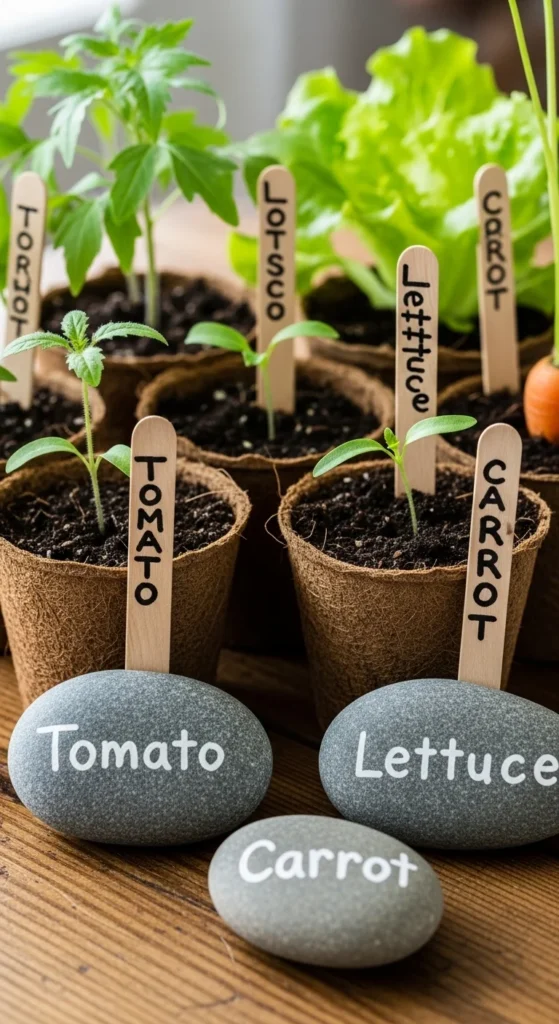
Save popsicle sticks, broken tiles, or flat stones. Write plant names using waterproof markers or paint. It’s a charming and free way to organize your garden without plastic tags.
8. Propagate from Cuttings
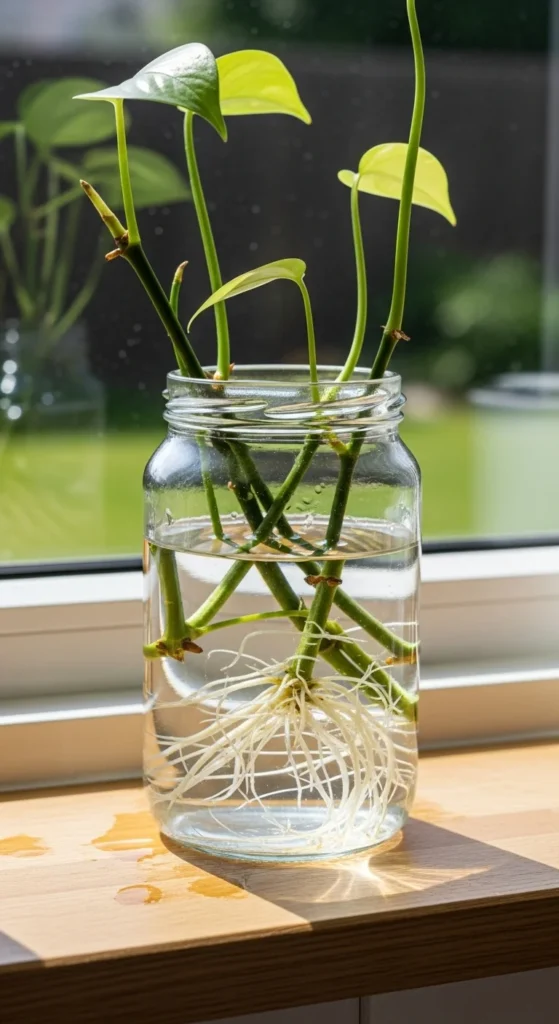
Grow new plants for free by taking cuttings from healthy ones. Many herbs like basil or mint root easily in water. Once roots appear, transplant them into soil and enjoy new growth at zero cost.
9. Repurpose Old Containers
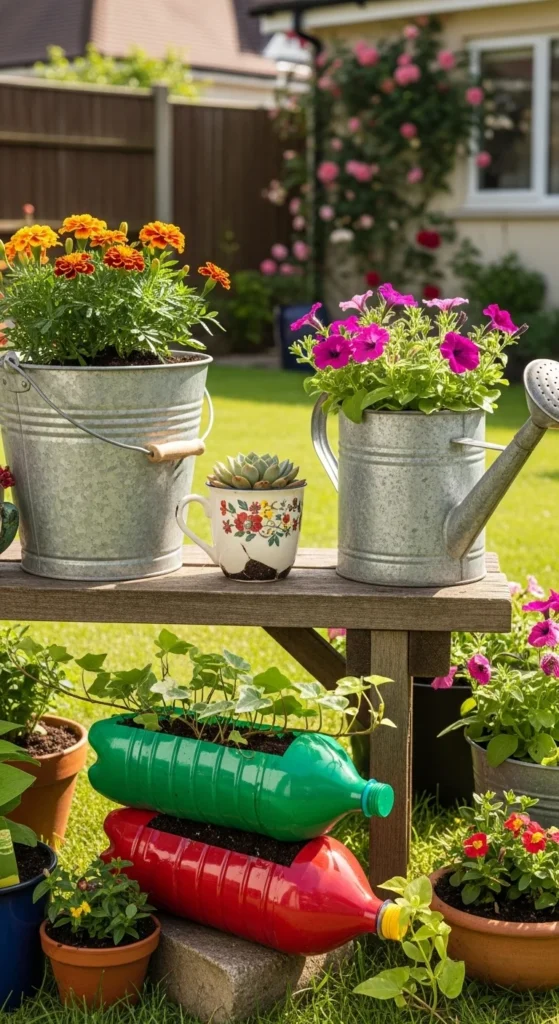
Before buying new pots, check your recycling bin. Yogurt tubs, buckets, and even old colanders make great planters. Just drill drainage holes and paint them for a fun, personalized touch.
10. Save Seeds from Produce
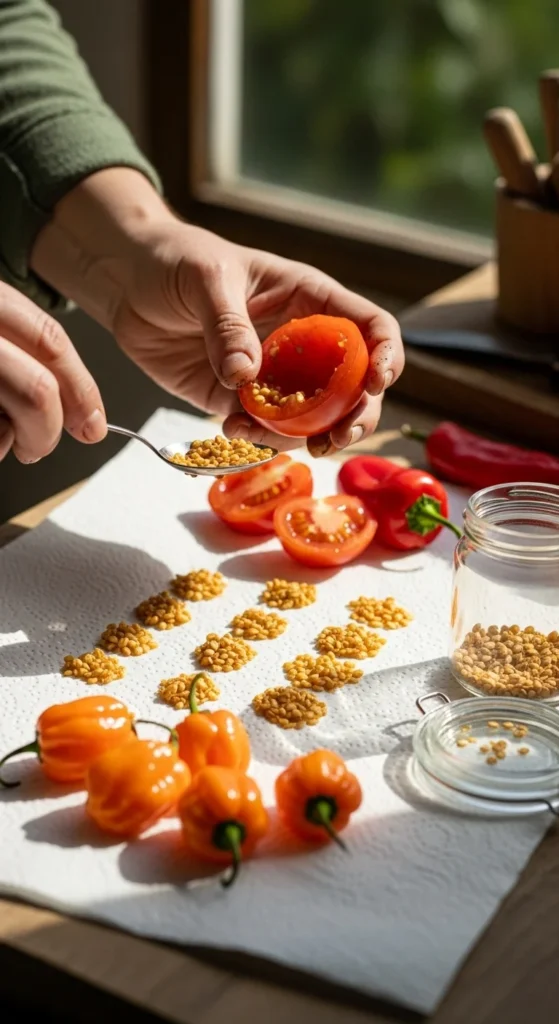
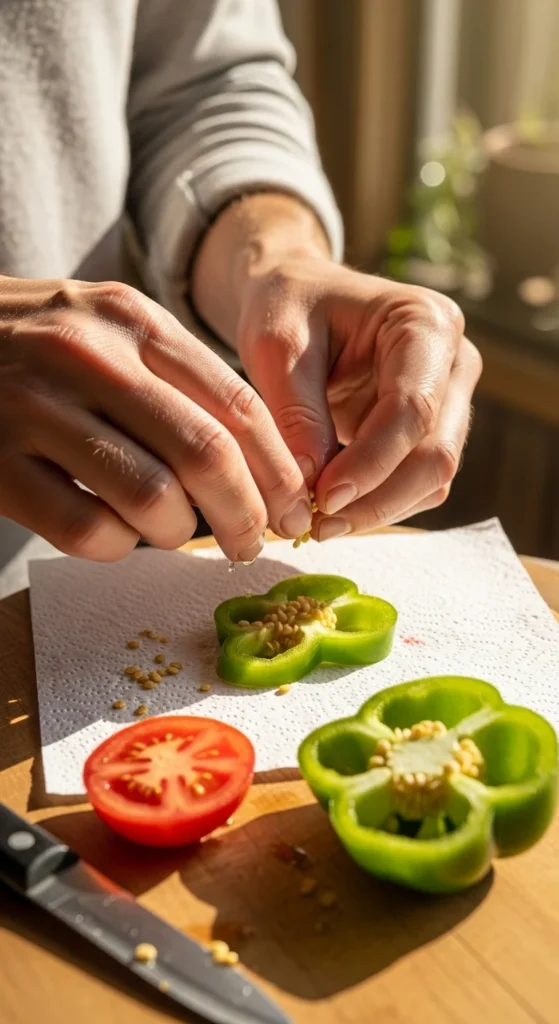
Dry seeds from fruits and veggies you already eat — like tomatoes, peppers, or cucumbers. Store them in paper envelopes for next season’s planting. It’s an easy way to grow your favorite crops year after year.
11. Use Coffee Grounds to Deter Pests
Coffee grounds help repel ants, slugs, and snails. Sprinkle them around your plants or mix lightly into the topsoil. The mild acidity also improves soil structure and encourages strong root growth.
12. Turn Plastic Bottles into Watering Systems
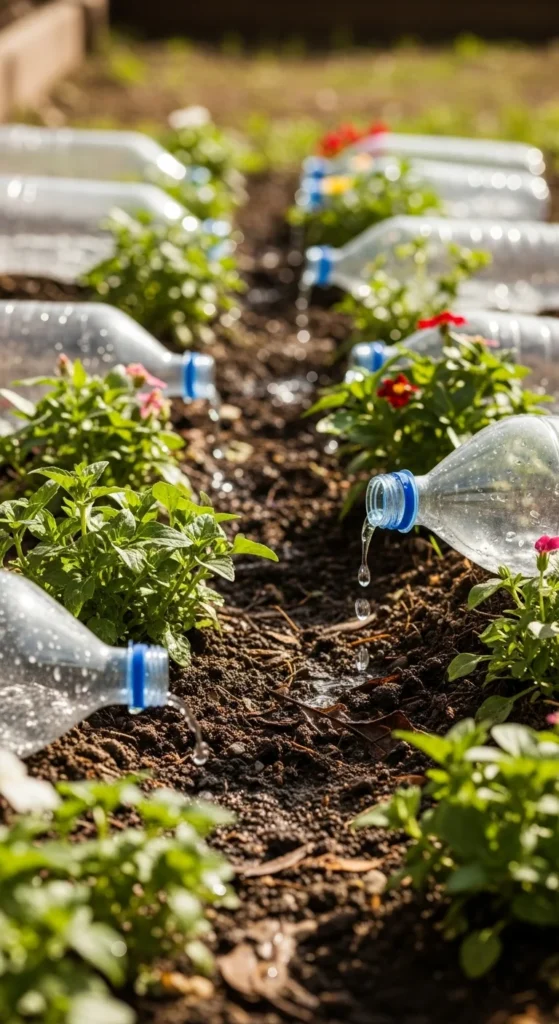
Cut the bottom off a bottle and bury it upside-down beside your plant. Fill it with water, and it will slowly drip into the soil. This DIY irrigation saves water and keeps soil evenly moist.
13. Use Epsom Salt for Magnesium
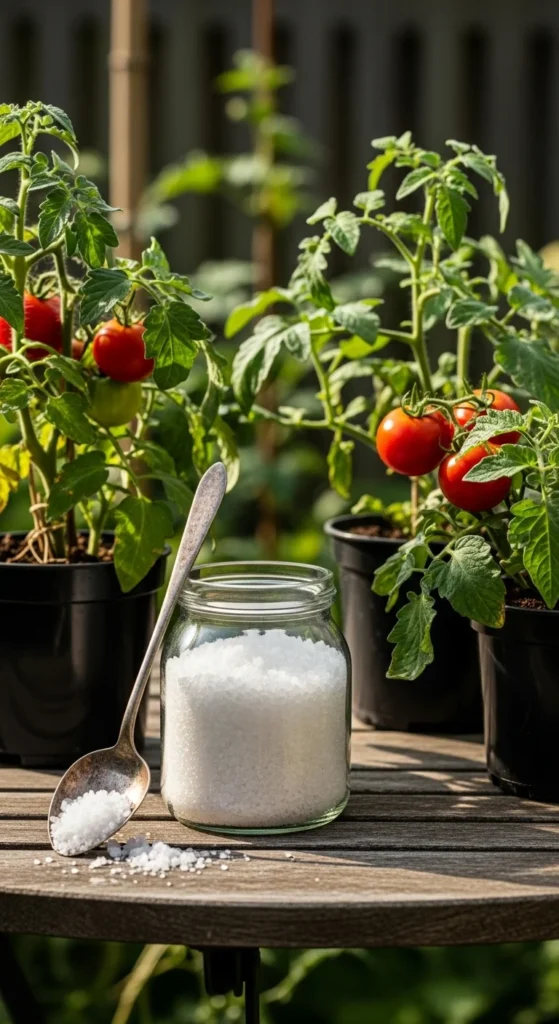
Mix one tablespoon of Epsom salt per gallon of water and use it to water your plants once a month. It provides magnesium, which supports lush, green growth. Tomatoes and peppers especially love this trick.
14. Grow Vertically with Trellises
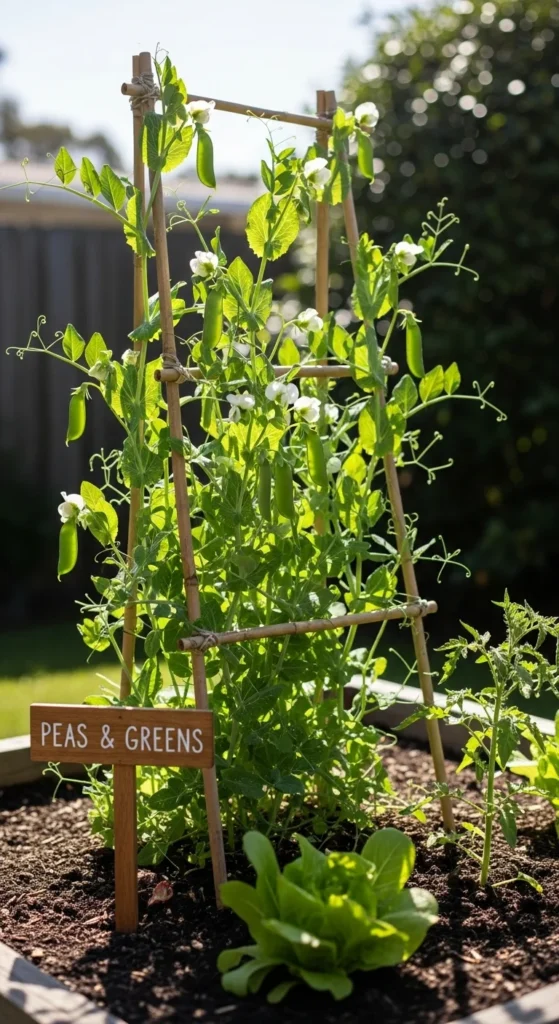
Maximize small spaces by growing upward. Use old ladders, string, or bamboo poles to create supports for climbing plants like beans or cucumbers. It saves ground space and adds charm to your garden.
15. Make a DIY Watering Can
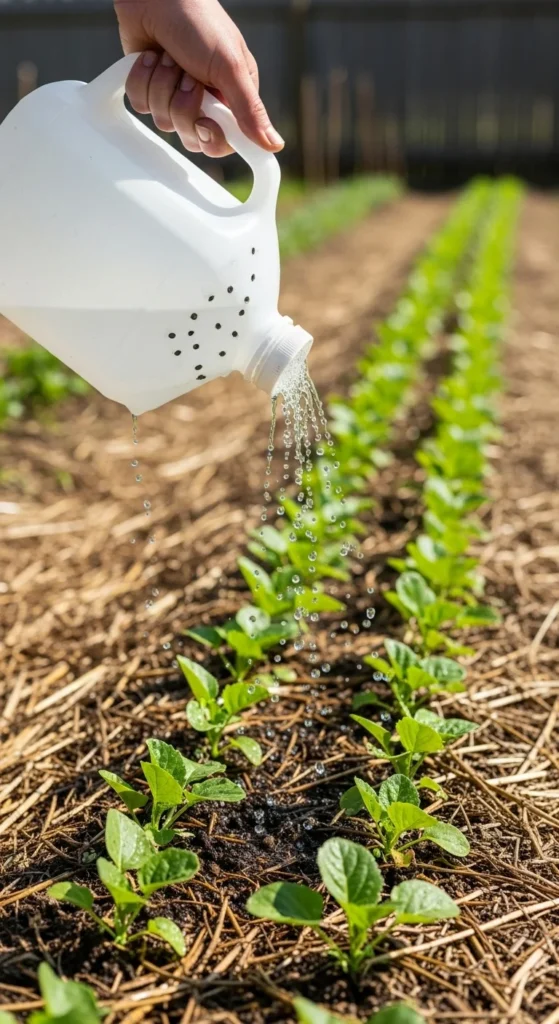
No watering can? Poke a few holes in the cap of a milk jug. Fill it with water and gently pour. It gives you controlled flow and recycles old containers in one go.
16. Use Banana Peels for Plant Food
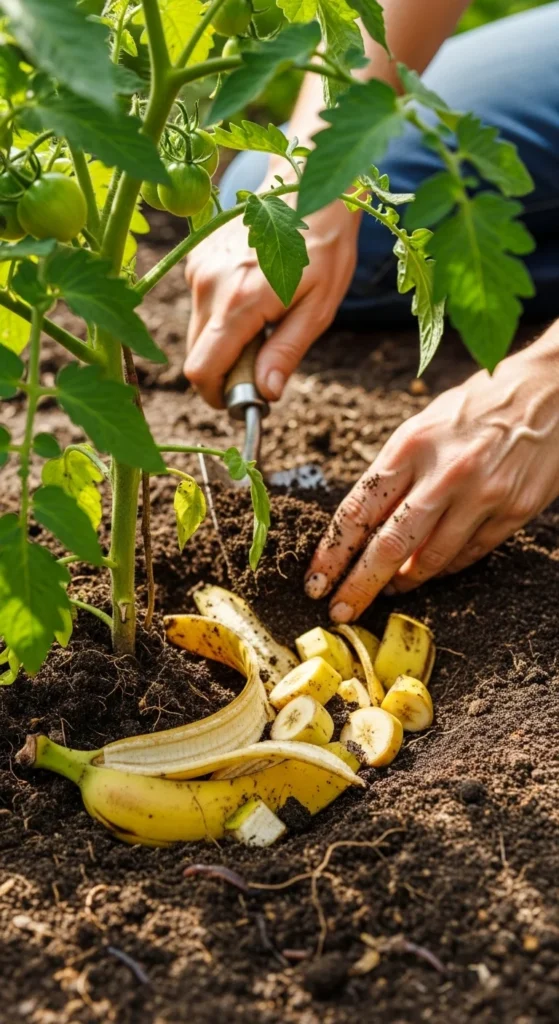
Banana peels decompose quickly and release potassium — great for flowering plants. Chop and bury them near your veggies or blend into a liquid fertilizer with water.
17. Mulch with Grass Clippings
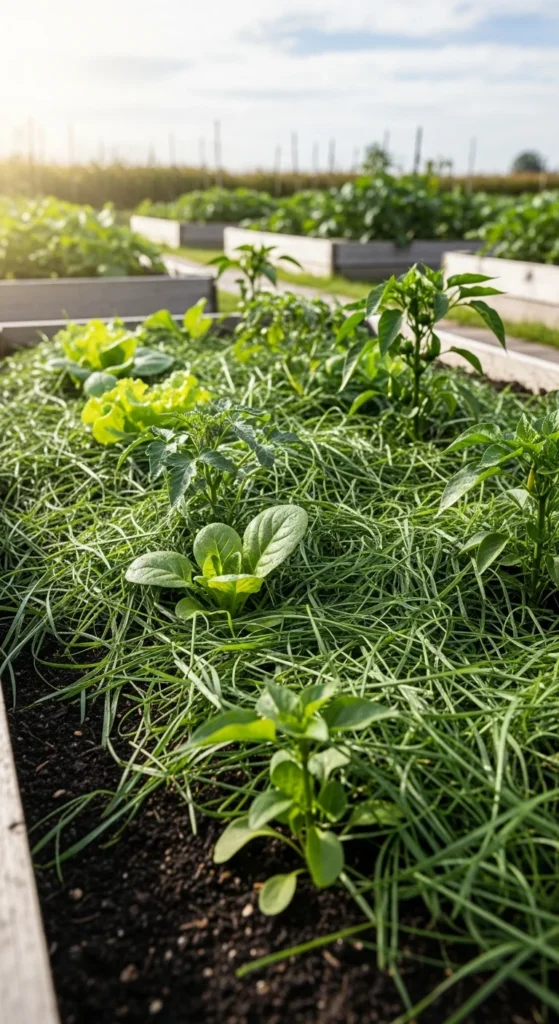
After mowing, use clippings as mulch. They lock in moisture, add nitrogen, and suppress weeds. Avoid using treated grass from lawns with chemicals. Free mulch equals less watering and less weeding.
18. Turn Old Tires into Planters
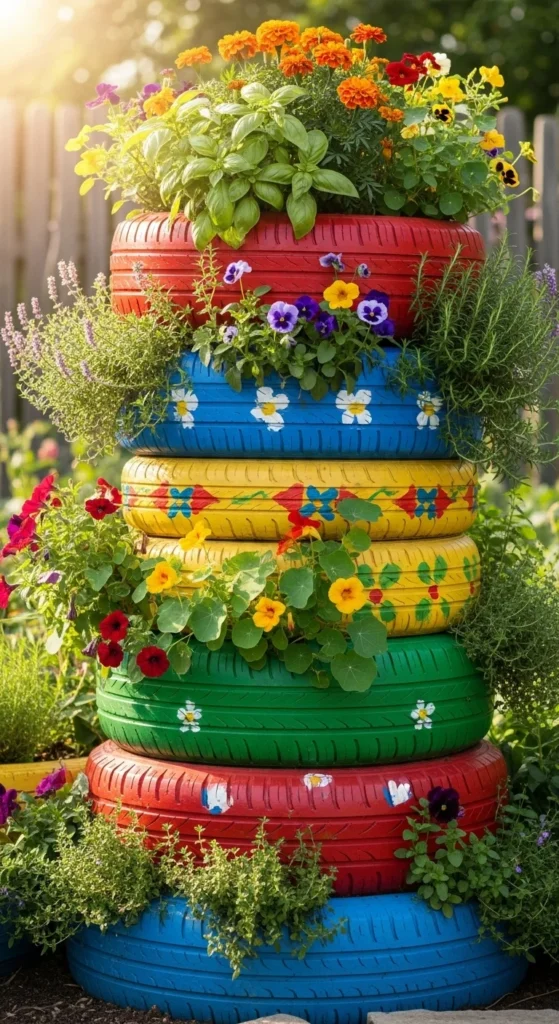
Old tires make durable planters. Paint them for a decorative touch and fill with soil. They’re perfect for growing herbs or flowers, and they keep bulky waste out of landfills.
19. Save Broken Pots for Drainage
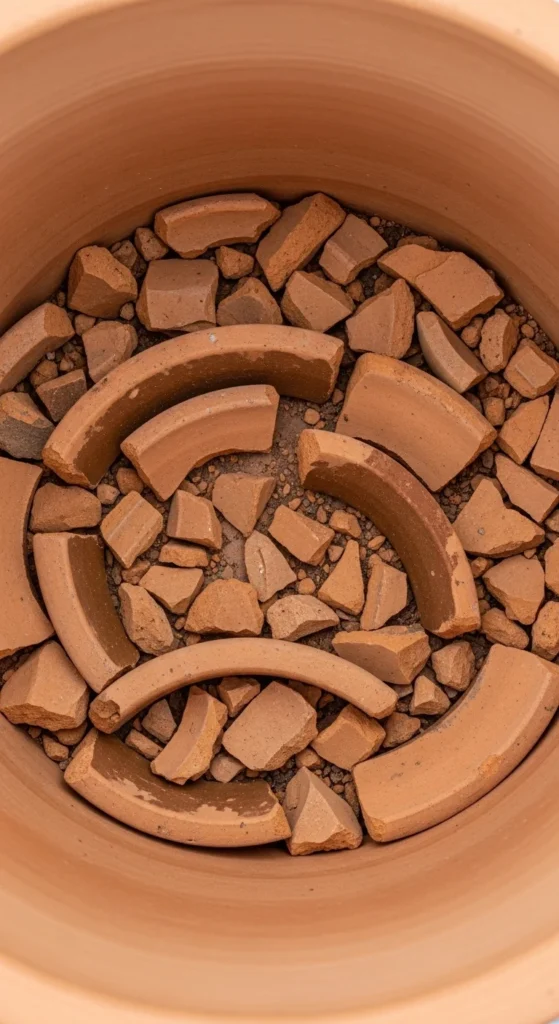
Instead of tossing broken pots, use the shards at the bottom of containers. They improve drainage and prevent soil from clogging holes — simple reuse that saves money and resources.
20. Build Raised Beds from Scrap Wood
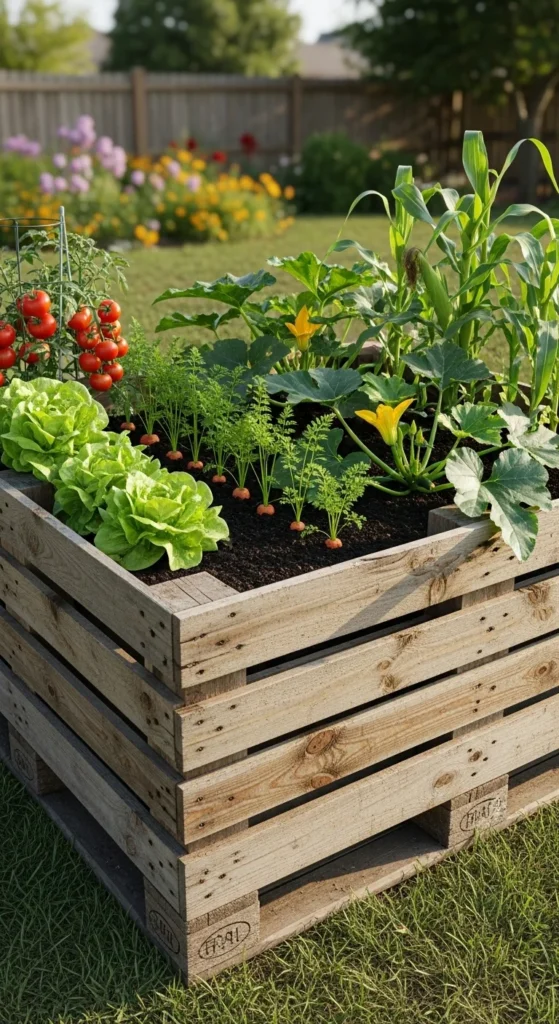
Old pallets or leftover boards can become sturdy raised beds. Line with cardboard to block weeds, fill with compost-rich soil, and start planting. It’s affordable and lasts for years.
21. Grow Herbs Indoors All Year
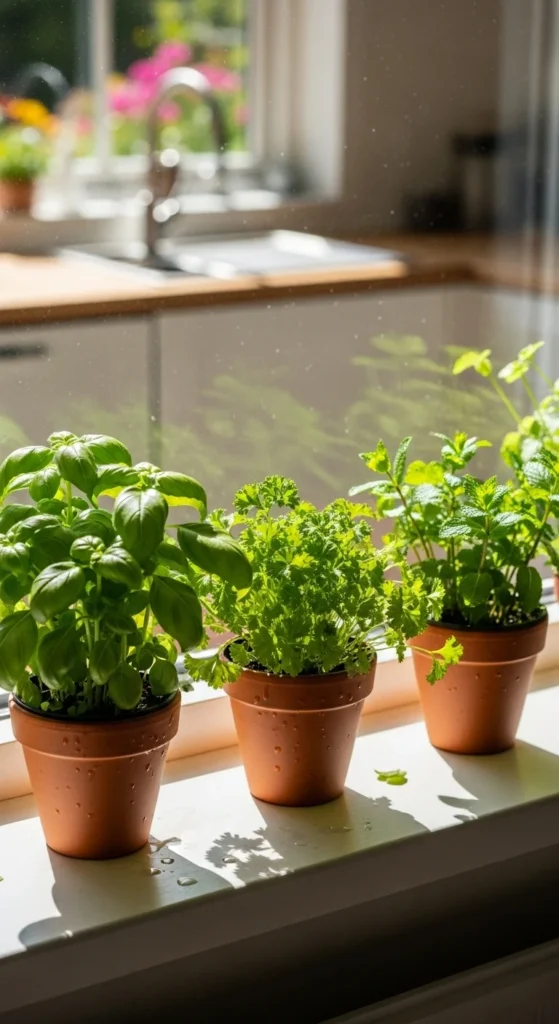
Save money on store-bought herbs by growing your own indoors. Use small pots and natural light from windowsills. Trim often to encourage fresh growth — perfect for cooking anytime.
22. Attract Pollinators Naturally
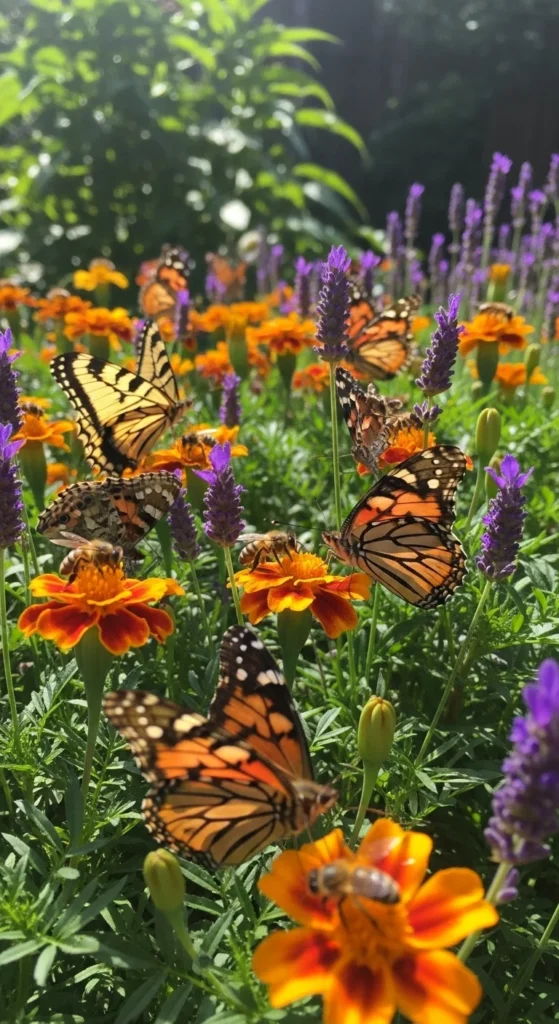
Plant flowers like marigolds, lavender, or zinnias around your veggies. They attract bees and butterflies, which improve pollination and crop yield. Bonus — these blooms add beauty while costing almost nothing.
Conclusion
You don’t need fancy tools or expensive products to build a thriving garden. With these practical hacks, you can reuse everyday items, make your own fertilizers, and keep costs low while growing more food. Start small, experiment, and let creativity guide your garden journey. Saving money while watching your plants thrive is one of gardening’s greatest rewards.
Leave a Reply