

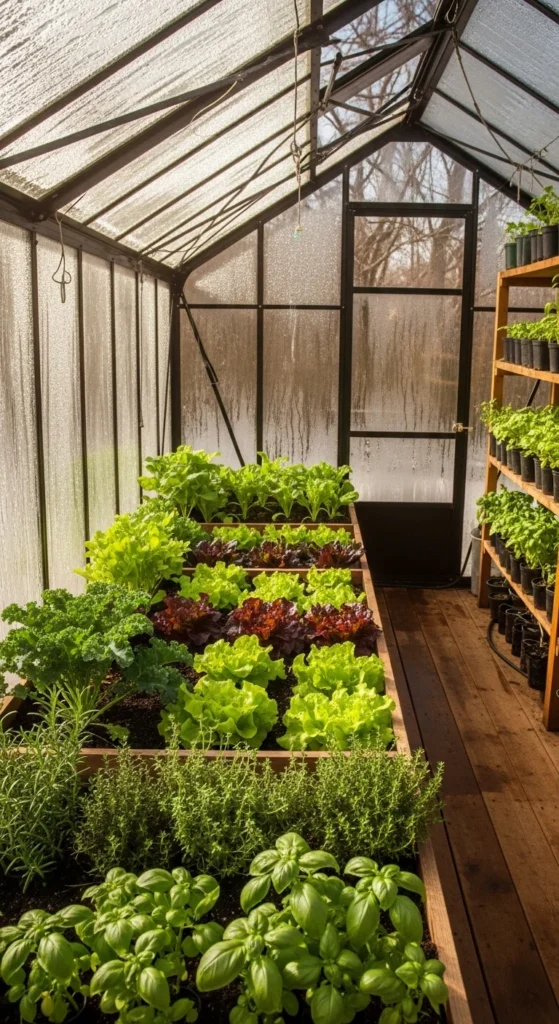
When cold weather hits, your gardening season doesn’t have to end. With a greenhouse, you can grow delicious, healthy vegetables all winter long. The secret lies in choosing the right crops and simple growing techniques that thrive in cooler temperatures. These 25 smart greenhouse vegetable ideas will help you keep your garden productive and your table full, even when snow covers the ground.
1. Grow Cold-Tolerant Spinach
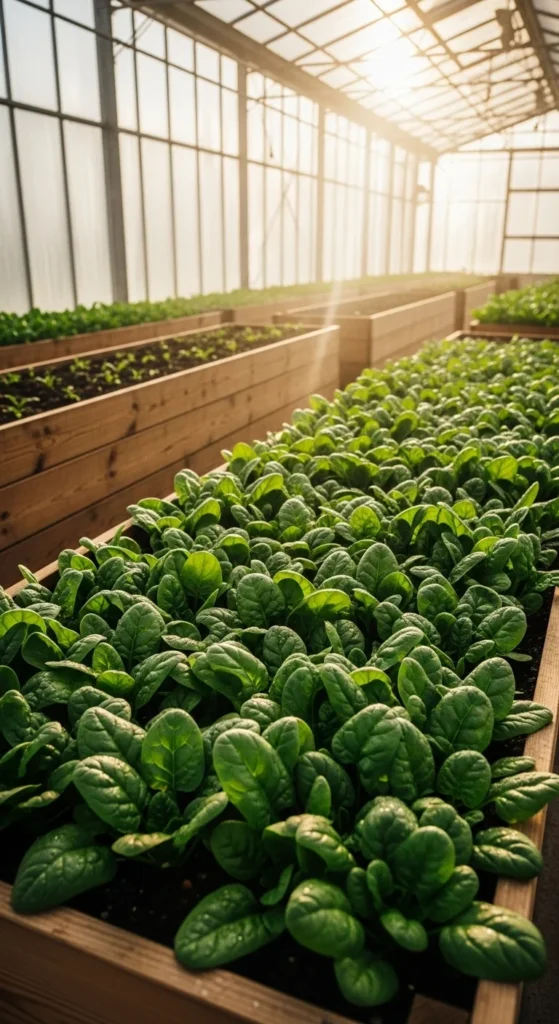
Spinach thrives in chilly conditions, making it a top choice for greenhouse growing. Sow seeds in rich, moist soil and keep the temperature between 45–70°F. Harvest the outer leaves as needed — this encourages steady growth. Planting a few trays every couple of weeks keeps your spinach supply constant all winter.
2. Plant Winter Lettuce Varieties
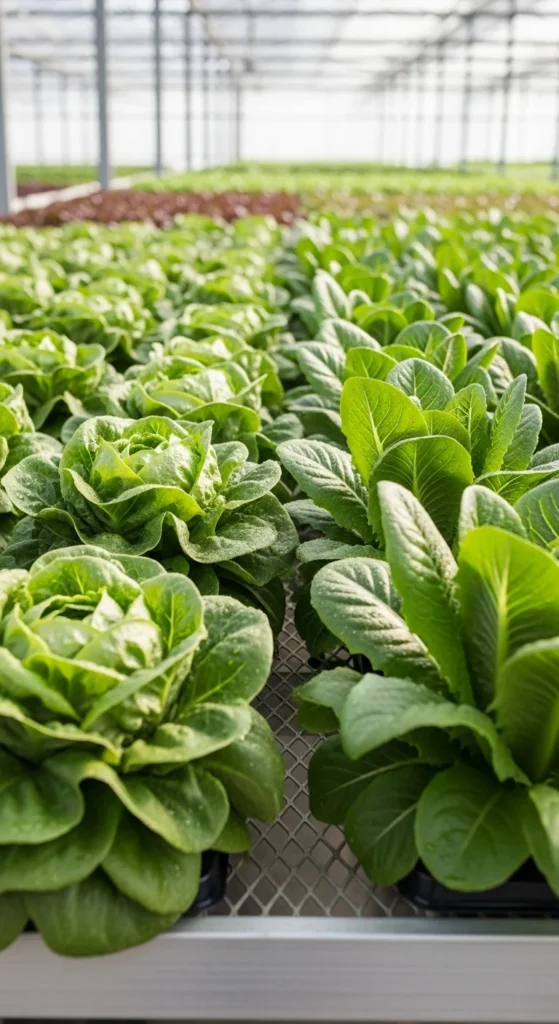
Lettuce grows beautifully in cooler air. Choose winter-friendly types like romaine, arugula, and butterhead. Keep humidity moderate to prevent mold, and harvest the outer leaves regularly. Mix varieties for texture and color — they’ll keep your salads fresh even in January.
3. Try Hardy Kale
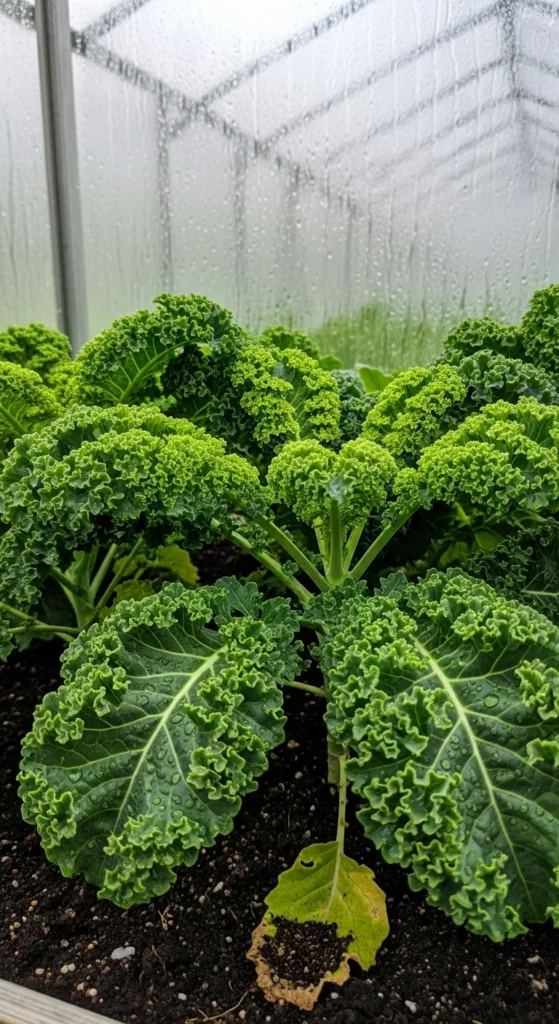
Kale can handle frosty nights and still grow strong. It loves the steady humidity inside greenhouses. Start from seed or seedlings, and give them deep, nutrient-rich soil. Pick leaves from the bottom up to keep plants producing new growth all season.
4. Grow Green Onions Year-Round
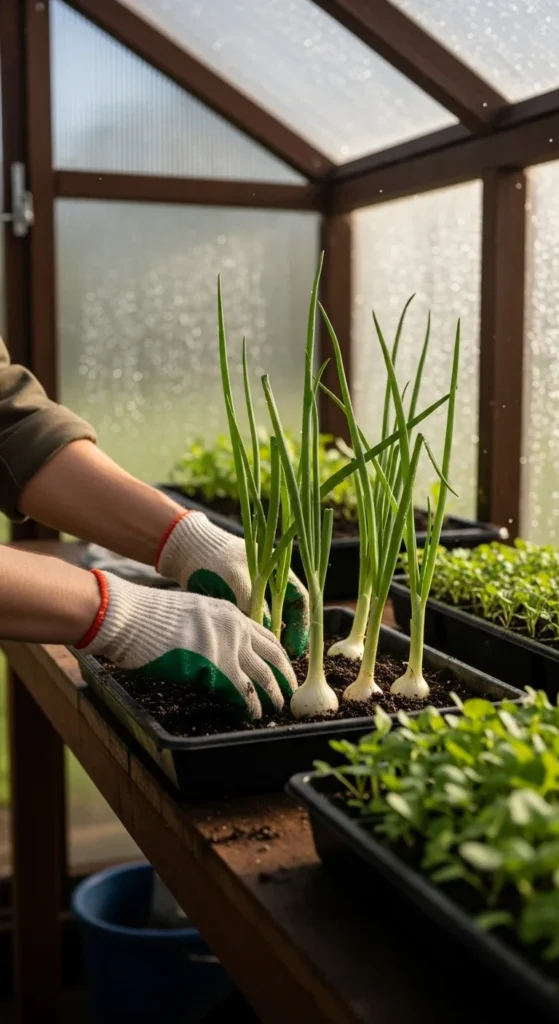
Green onions don’t need much space or heat. Grow them in long containers or trays. Cut the stalks above the roots — they’ll regrow quickly. For endless supply, stagger planting every few weeks.
5. Add Crunchy Radishes
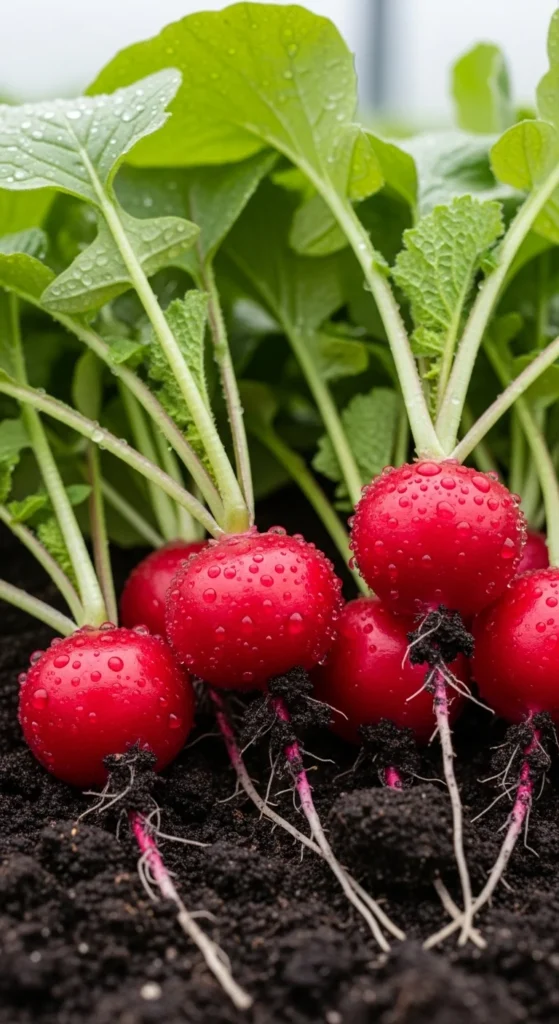
Radishes grow fast — just 3 to 4 weeks from seed to harvest. They love cool soil and minimal sunlight. Plant them in small sections between other crops. You’ll enjoy a steady stream of crisp, spicy snacks all winter long.
6. Cultivate Baby Carrots
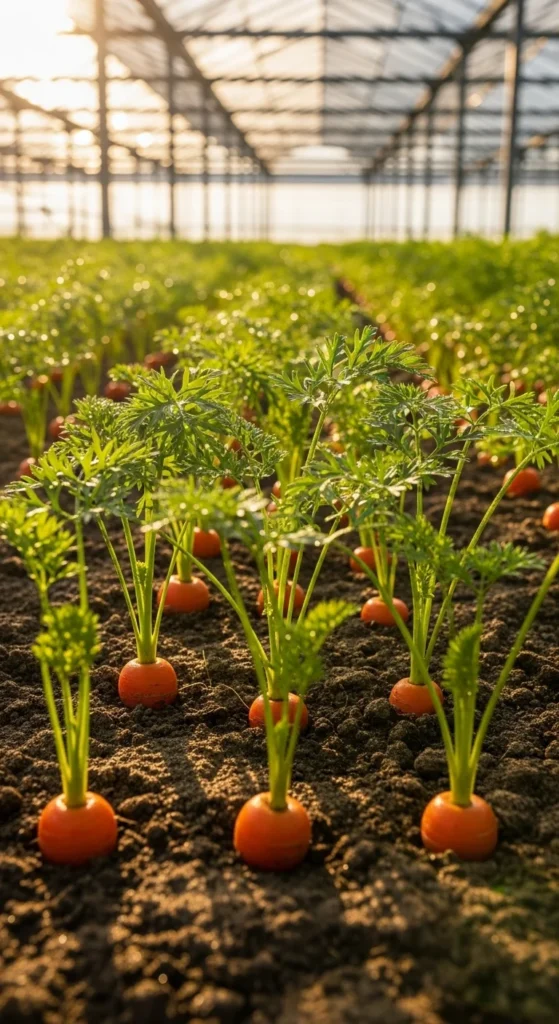
Choose short, quick-growing carrot varieties for greenhouse success. Loose soil and even moisture are key. Use raised beds for better drainage. Harvest when they reach 4–5 inches for the sweetest flavor.
7. Grow Swiss Chard
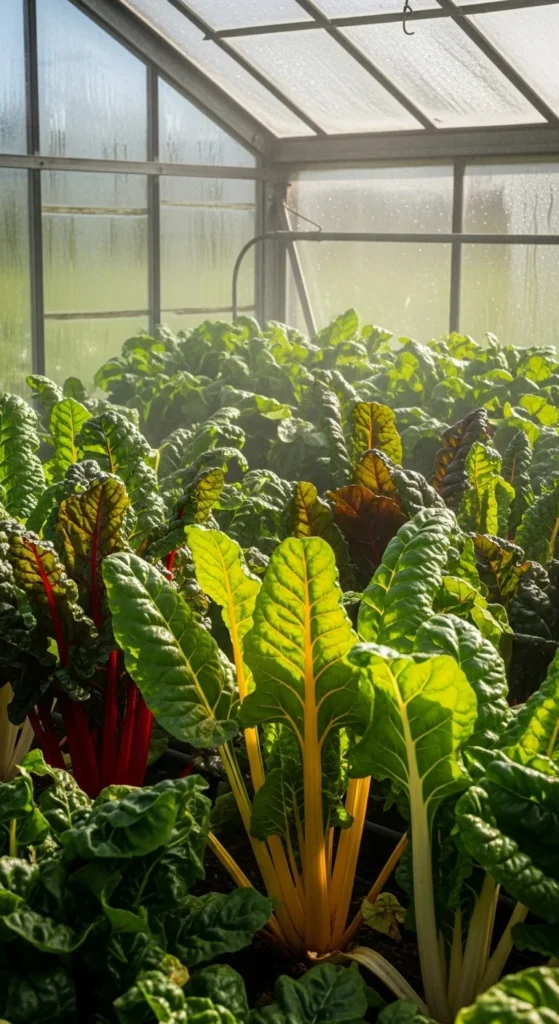
Swiss chard loves cooler temps and looks gorgeous with its rainbow stems. Keep soil moist and harvest the outer leaves regularly. It continues producing for months, making it a dependable winter green.
8. Try Compact Cabbage Varieties
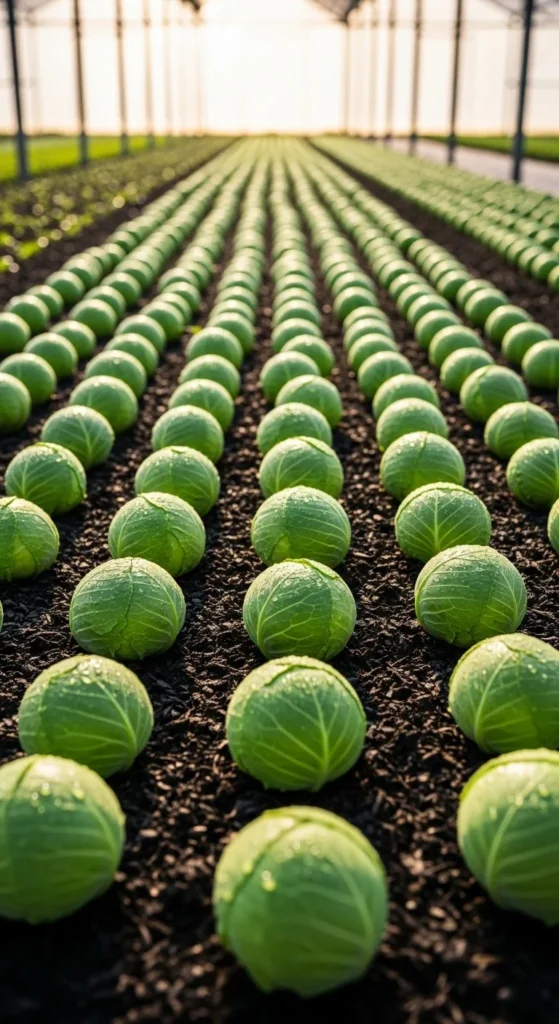
Mini cabbages grow faster and take less space than large varieties. Plant them in well-drained soil and keep temperatures around 60°F. Harvest once the heads feel firm. They store well after cutting, too.
9. Keep Herbs Thriving Indoors
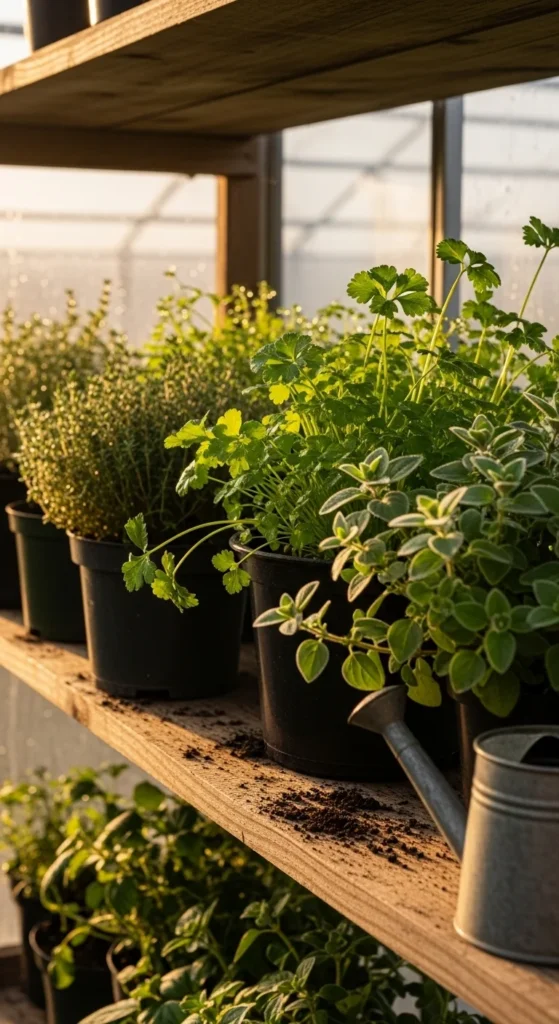
Herbs like parsley, thyme, and oregano thrive in mild greenhouse conditions. Use pots to move them closer to light. Trim often to encourage fresh growth. You’ll have fragrant garnishes ready any time you cook.
10. Experiment with Winter Peas
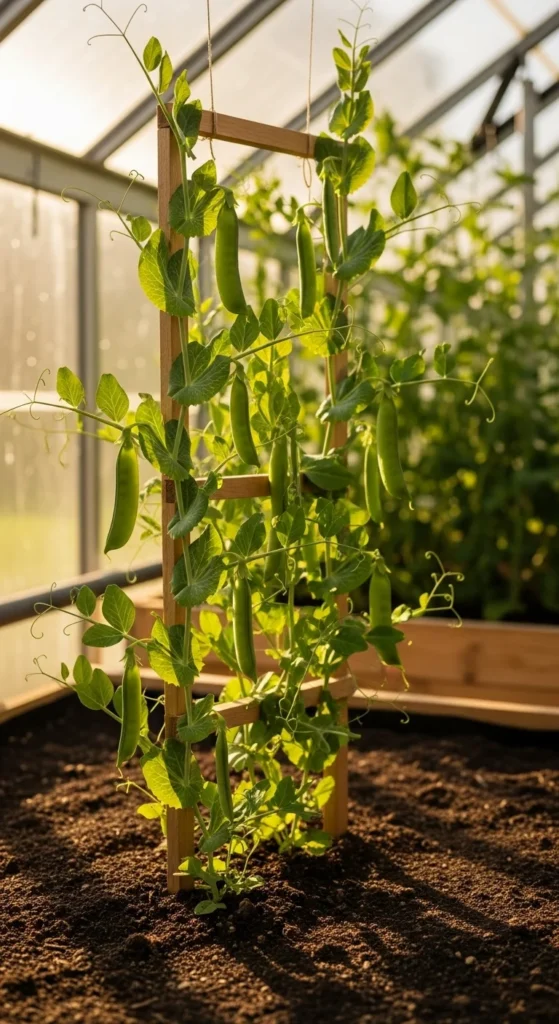
Peas love the crisp air of a greenhouse. Install small trellises for support. Keep soil moist but not soggy. You’ll get tender pods long before outdoor plants can sprout in spring.
11. Grow Beets for Roots and Greens
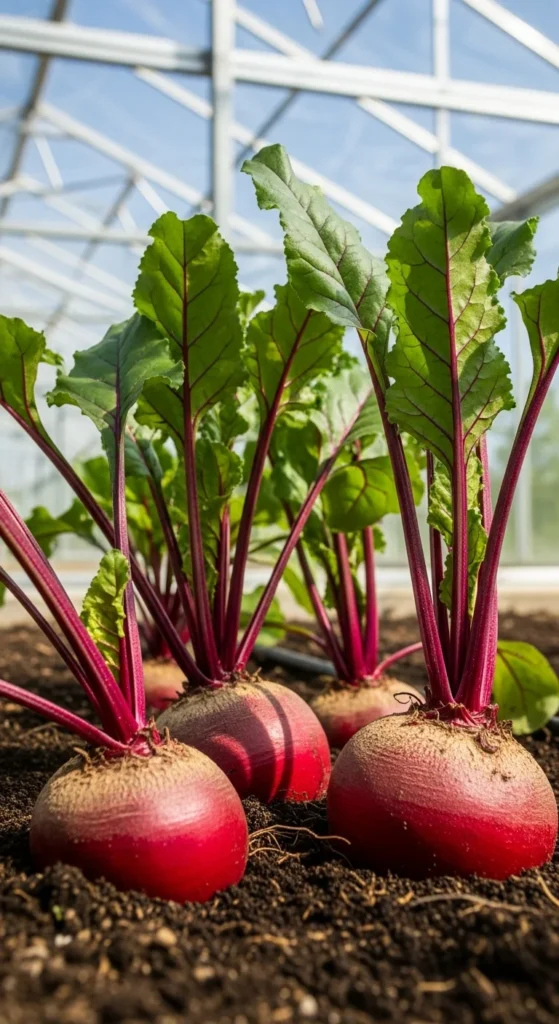
Beets thrive in cooler temperatures and give double rewards — tasty roots and edible greens. Use deep containers or beds with rich compost. Harvest smaller beets for sweeter flavor and keep the tops for cooking.
12. Cultivate Bok Choy
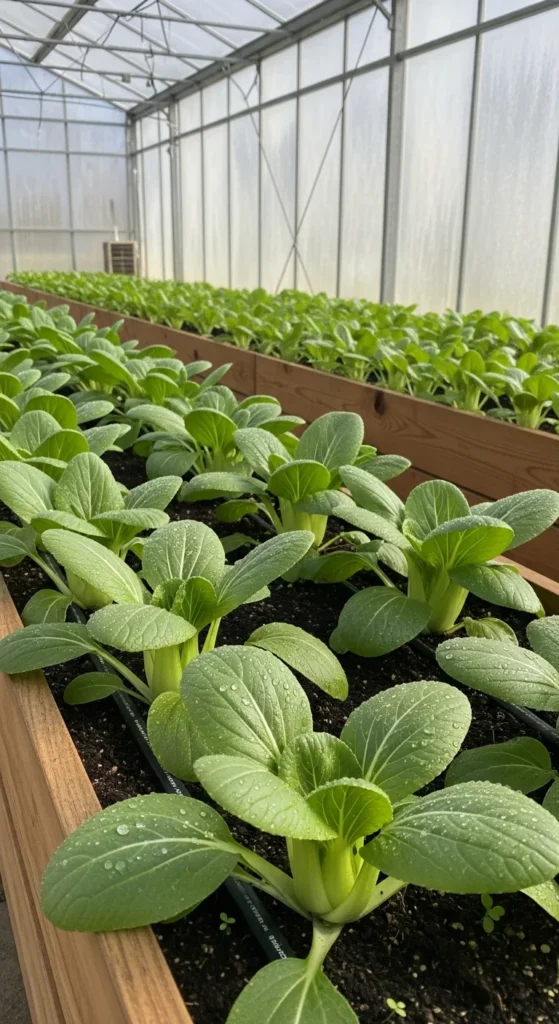
Bok choy matures quickly and handles the chill well. Space plants evenly and water from below to prevent leaf spots. Harvest baby bok choy for stir-fries or let them grow larger for hearty soups.
13. Add Turnips to the Mix
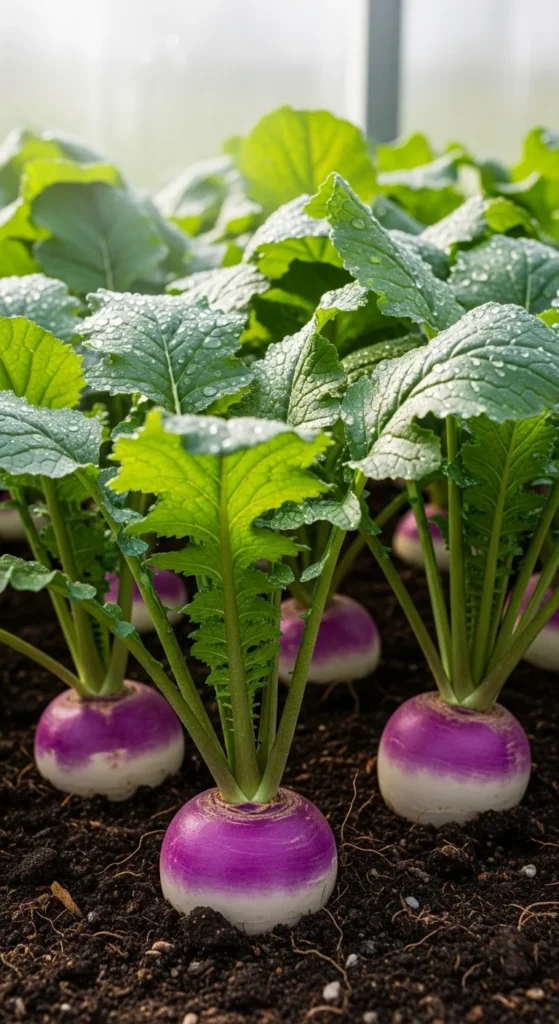
Turnips grow fast and add variety to winter meals. Plant them thick, then thin seedlings for space. You can eat both roots and greens. They prefer steady moisture and moderate warmth.
14. Plant Garlic Early
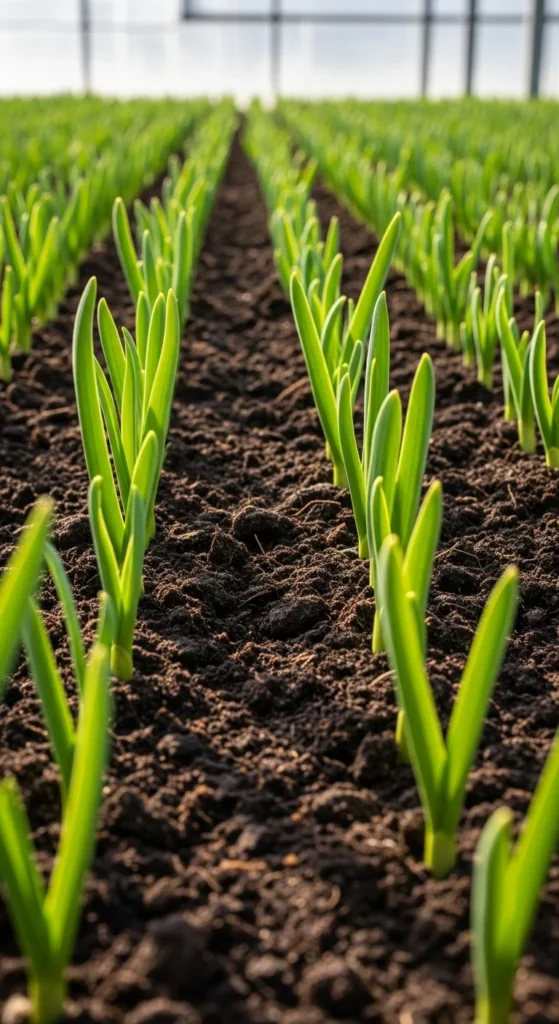
Garlic is easy to grow and stores for months. Plant cloves in fall and let them overwinter in the greenhouse. They’ll produce bulbs by early summer. You can even clip the greens for mild garlic flavor in salads.
15. Keep Celery Going
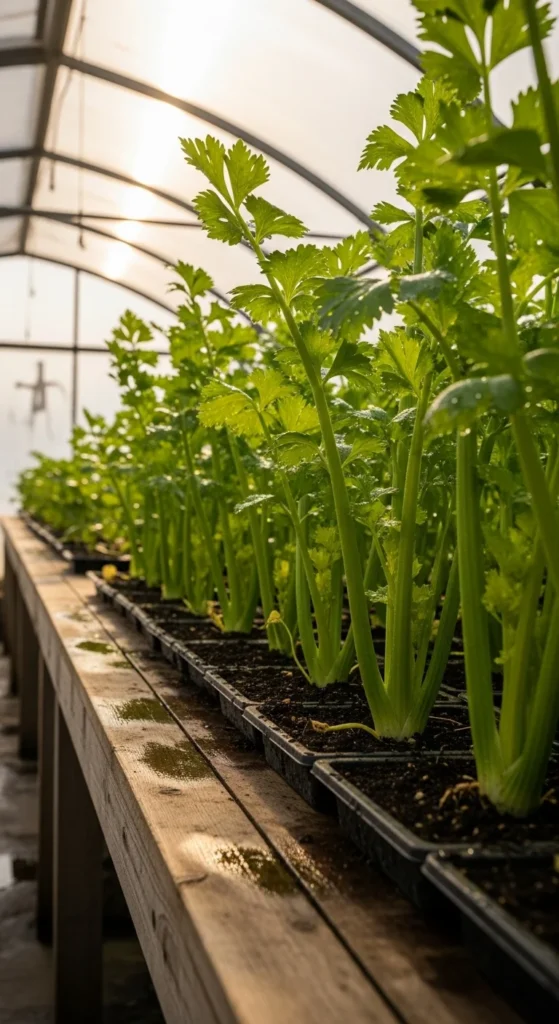
Celery prefers consistent moisture and humidity. Greenhouses offer perfect growing conditions. Start from seedlings and keep soil moist. Harvest stalks when they’re crisp and tall for the best taste.
16. Try Winter Tomatoes (Compact Varieties)
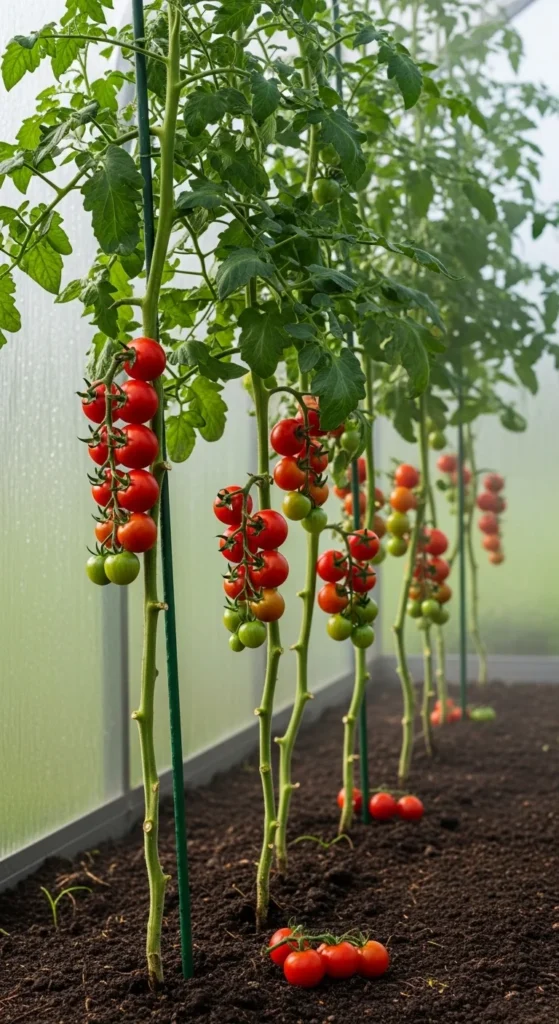
Choose small or dwarf tomato types for winter growth. Use supplemental lighting if daylight is limited. Keep temperatures above 55°F at night. You’ll enjoy fresh tomatoes even in the dead of winter.
17. Grow Leeks for Soups and Stews
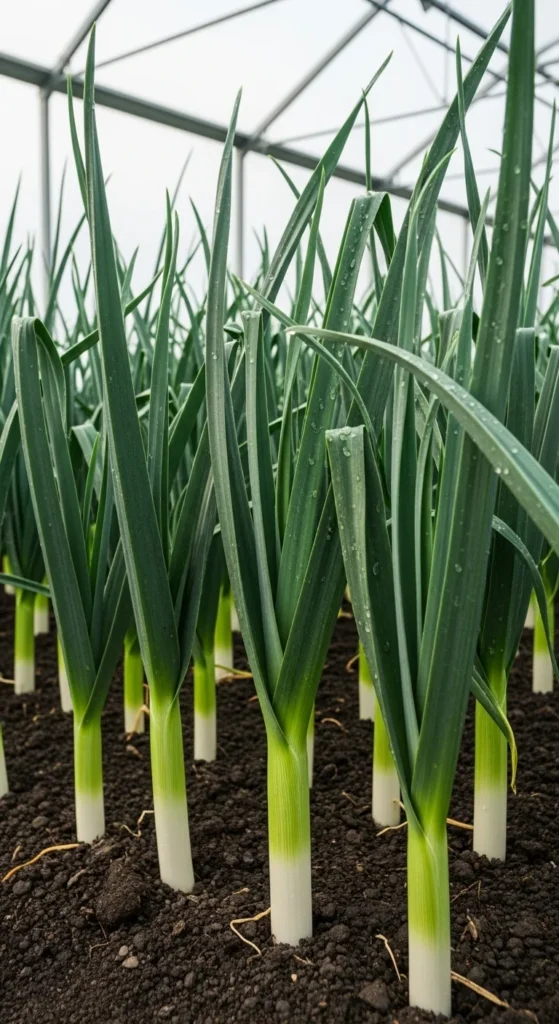
Leeks grow slowly but love cool air. Plant them in deep soil or tubes for straight stalks. Harvest young leeks for tender flavor or let them mature for stronger taste.
18. Add Microgreens for Quick Harvests
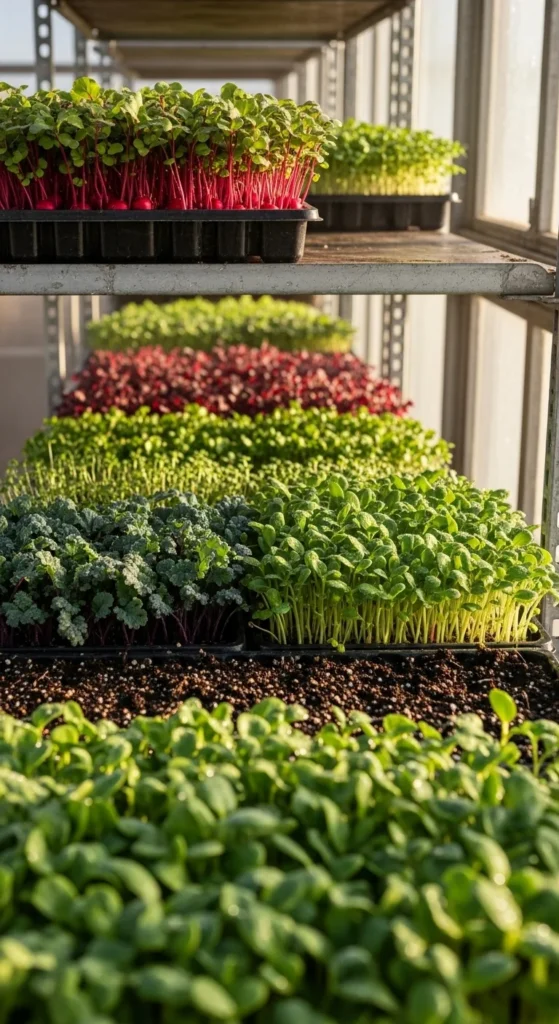
Microgreens grow fast and need very little space. Use shallow trays and organic potting mix. In just 10–14 days, you’ll have nutrient-packed greens for sandwiches and salads.
19. Grow Arugula for Zesty Flavor
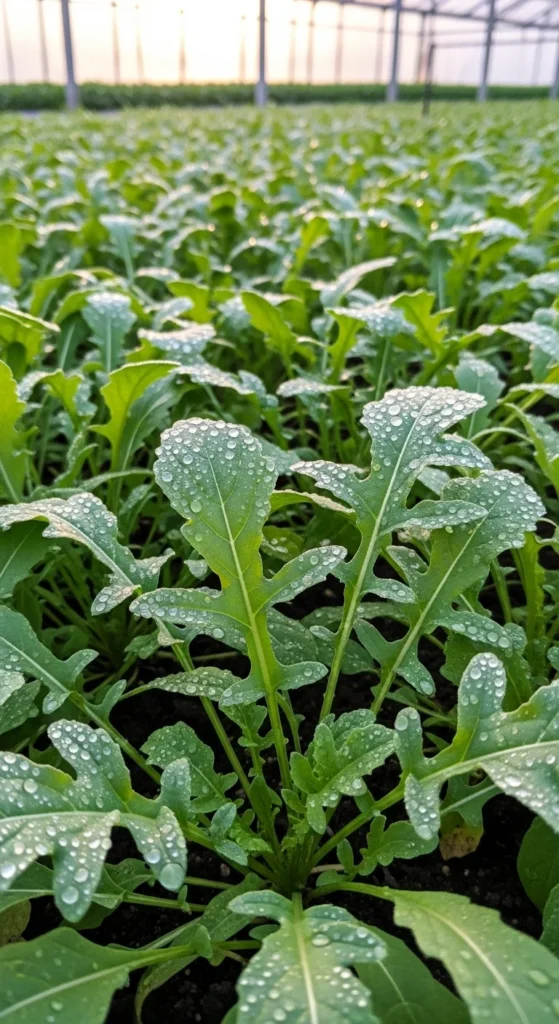
Arugula thrives in cool conditions. Sow seeds every two weeks for continuous harvests. Pick leaves early for mild flavor or wait longer for extra spice. Great for salads or pizza toppings.
20. Try Growing Mushrooms Indoors
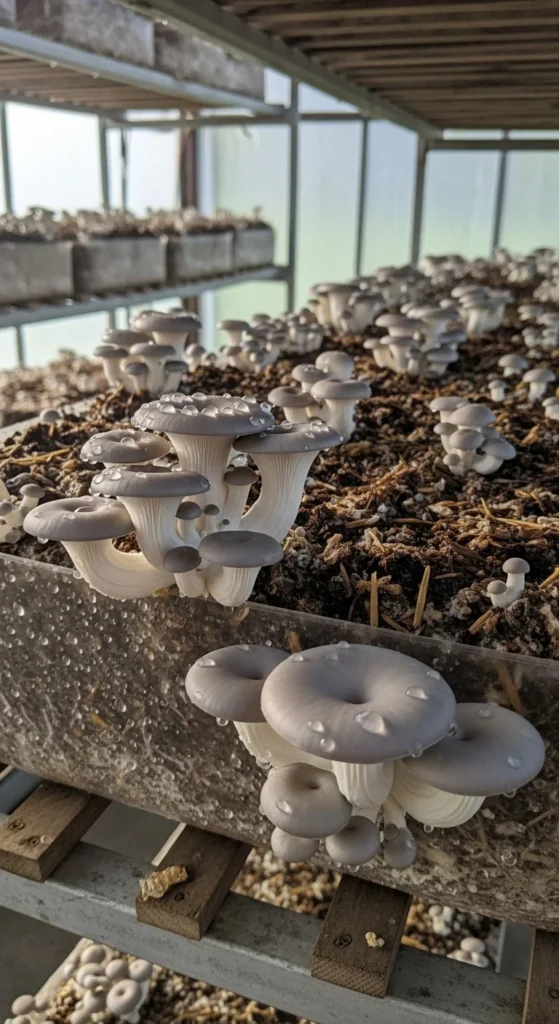
Mushrooms grow well in darker greenhouse corners. Use kits with straw or sawdust blocks. Mist regularly to keep humidity high. You’ll have a steady supply for soups and sautés.
21. Plant Baby Broccoli
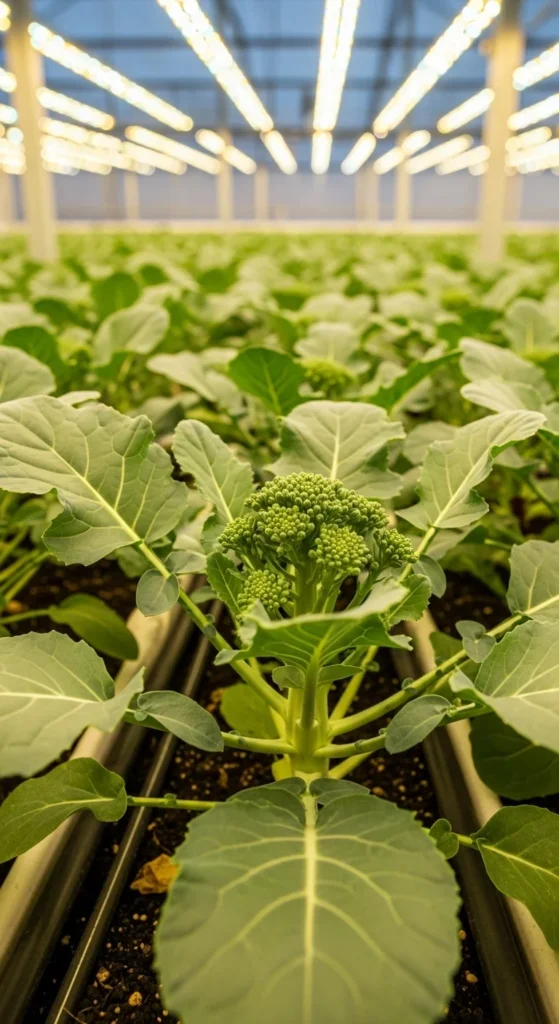
Baby broccoli varieties grow faster than full-size heads. Keep temperatures between 50–65°F and water evenly. Harvest when florets are tight and bright green.
22. Experiment with Parsnips
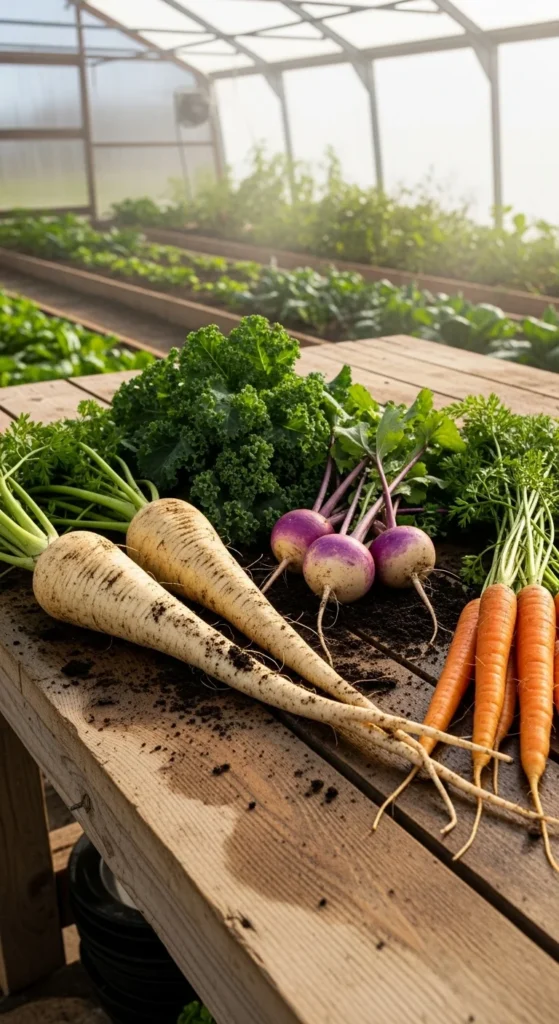
Parsnips sweeten with cool weather. Plant in deep soil beds and be patient — they take time but reward you with rich flavor. Store them right in the soil for easy harvesting through winter.
23. Grow Watercress in Containers
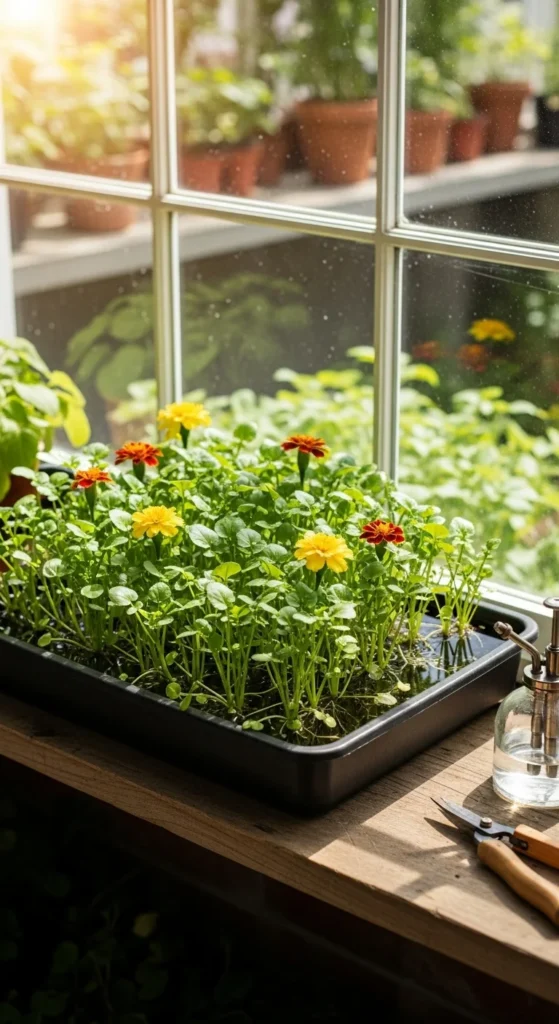
Watercress thrives in damp conditions. Use a shallow water-filled container and partial sunlight. Trim regularly for fresh flavor. It’s perfect for sandwiches and salads.
24. Add Mustard Greens
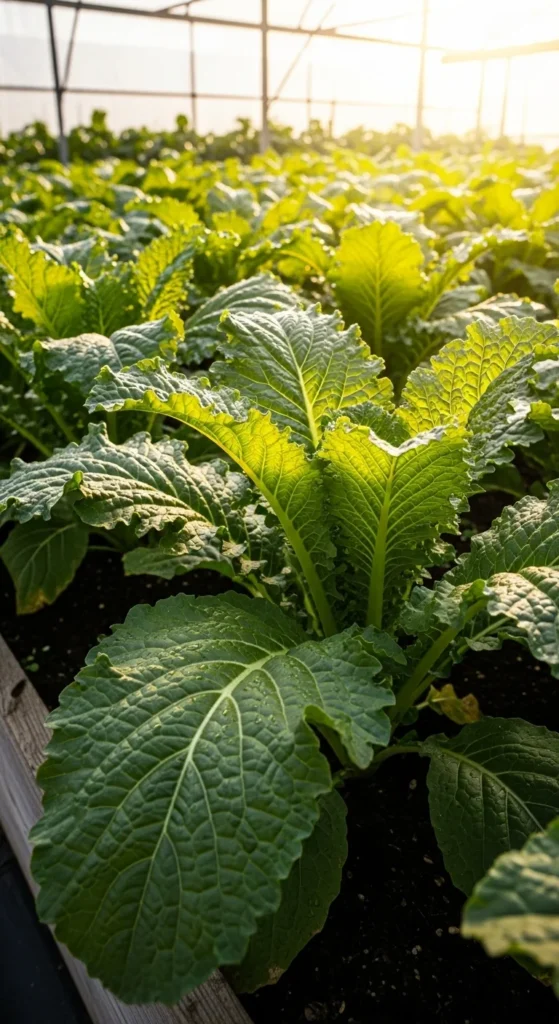
Mustard greens grow quickly and tolerate the cold well. Their peppery flavor livens up winter dishes. Harvest young leaves for milder taste or let them mature for a bolder kick.
25. Keep Growing Endive and Escarole
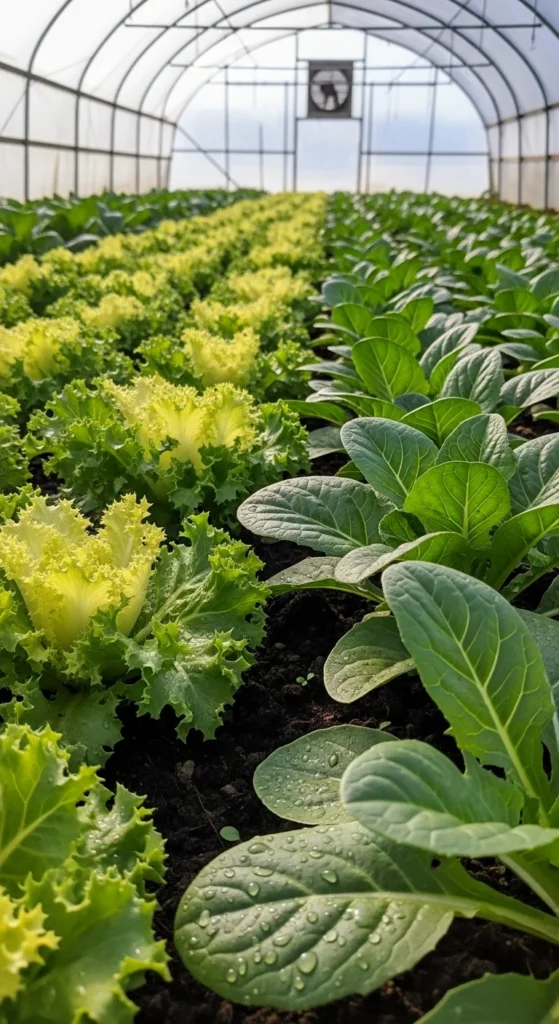
Endive and escarole handle cooler weather beautifully. They prefer well-drained soil and steady moisture. Harvest outer leaves as needed for fresh greens that last all season.
Conclusion
A greenhouse transforms winter from downtime into growing time. With the right vegetables and simple care, you can enjoy fresh, homegrown produce even when it’s freezing outside. Mix quick growers like microgreens with steady producers like kale and carrots for a balanced harvest. Start planting these cold-season crops now and keep your greenhouse thriving all year long.
Leave a Reply