

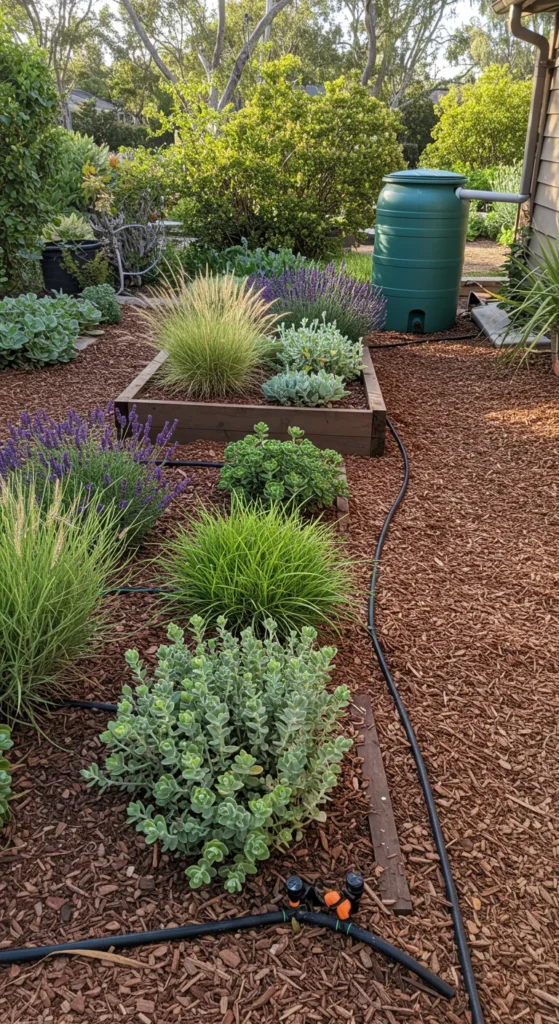
Water is precious—and gardening doesn’t have to drain it. Whether you live in an arid region or just want to cut back on water use, drought-tolerant gardening helps you grow beautiful landscapes that thrive on less. From soil care to smart planting layouts, these 24 practical hacks will help you create a water-wise garden that stays lush all season long.
1. Choose Native Plants
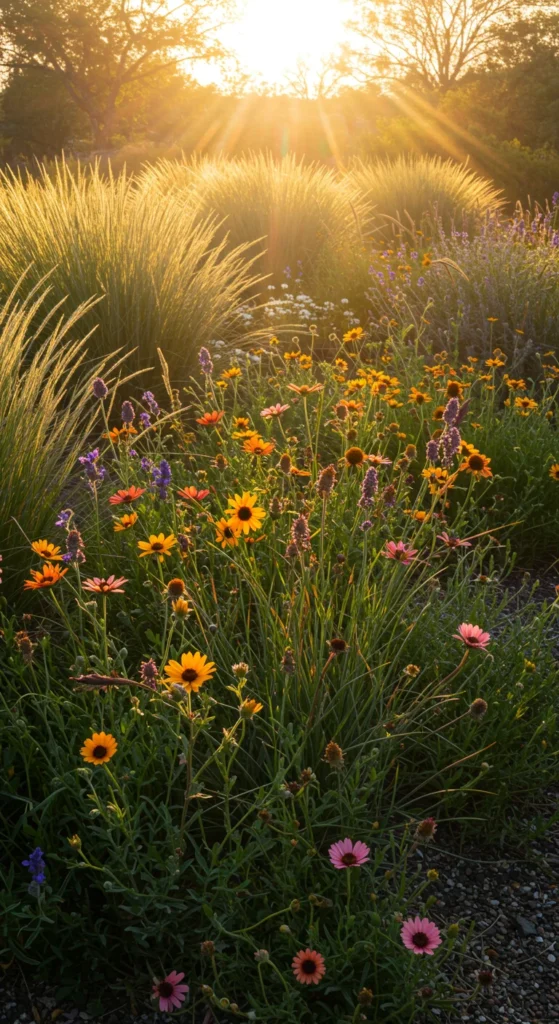
Native plants are naturally adapted to local weather and soil, meaning they require less watering and care. Research your region’s native species—like coneflowers, sage, or milkweed—and mix them into your garden beds. They attract pollinators and thrive with minimal attention. Once established, native plants can survive dry spells with ease while keeping your garden looking vibrant.
2. Group Plants by Water Needs
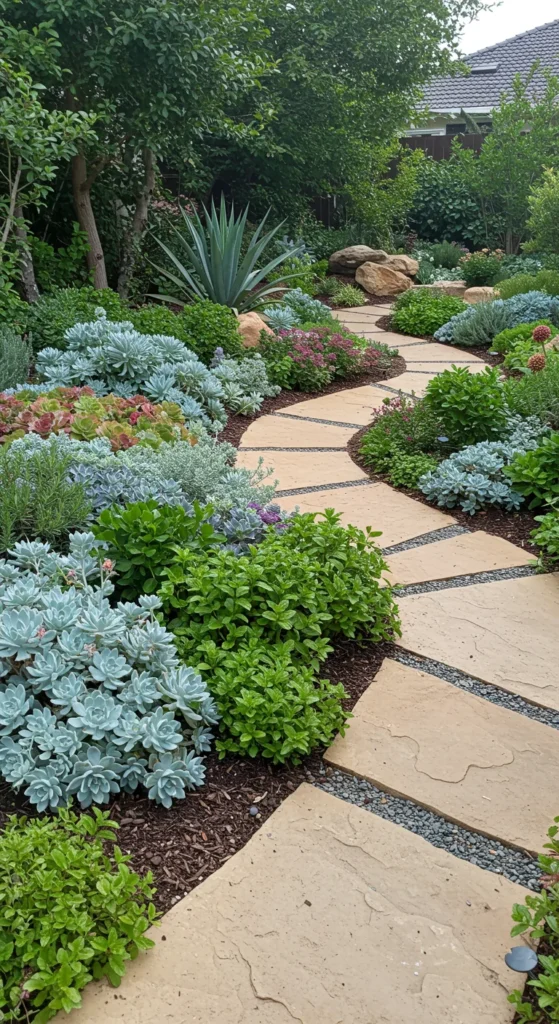
Arrange plants with similar water requirements together. This avoids overwatering some while under-hydrating others. Create zones—drought-tolerant plants in sunny spots and thirstier ones near shaded or low-lying areas. Grouping also makes irrigation easier since you can water each section based on its specific needs. It’s a simple way to conserve water and improve plant health.
3. Use Mulch Generously
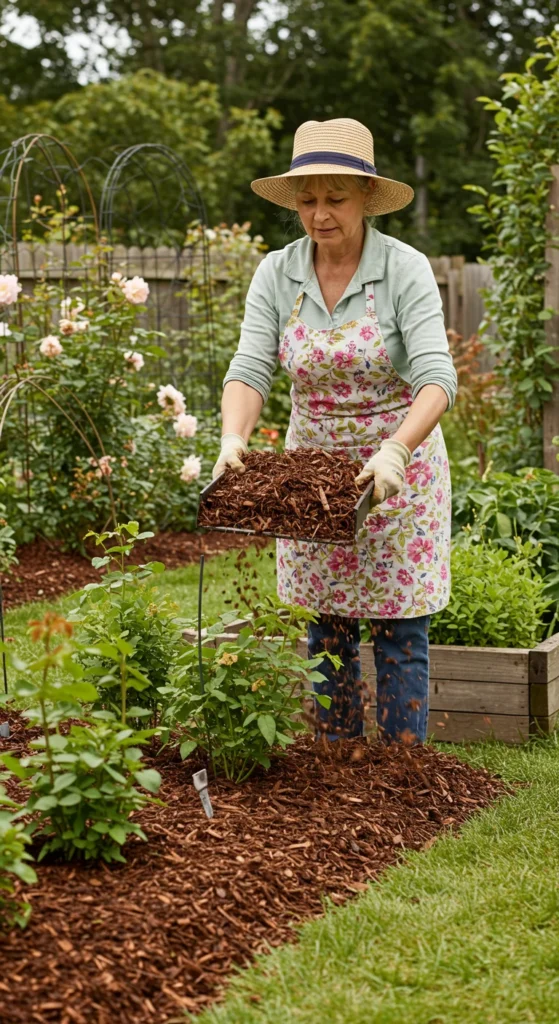
Mulch acts like a protective blanket for your soil. It locks in moisture, prevents evaporation, and keeps roots cool. Spread 2–3 inches of bark, straw, or shredded leaves around plants, but keep it away from stems. Refresh mulch each season. This single step can reduce water loss by up to 25%, saving both time and resources.
4. Install Drip Irrigation
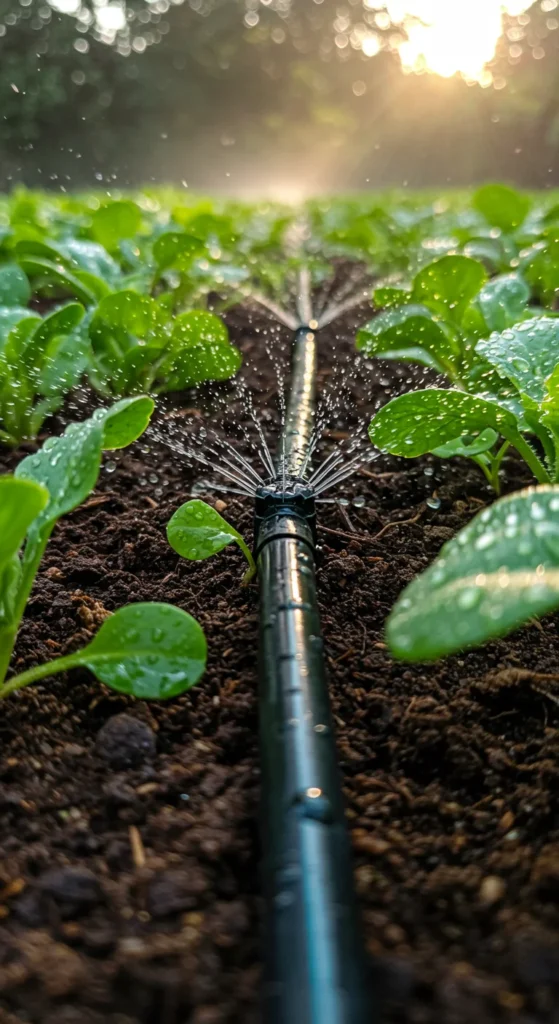
Drip irrigation delivers water directly to plant roots, minimizing waste. It’s more efficient than sprinklers since there’s no runoff or evaporation. Use a timer to control watering cycles. Once installed, it saves effort and cuts water use drastically. You can even connect it to rain barrels for an eco-friendly setup.
5. Water Early in the Morning
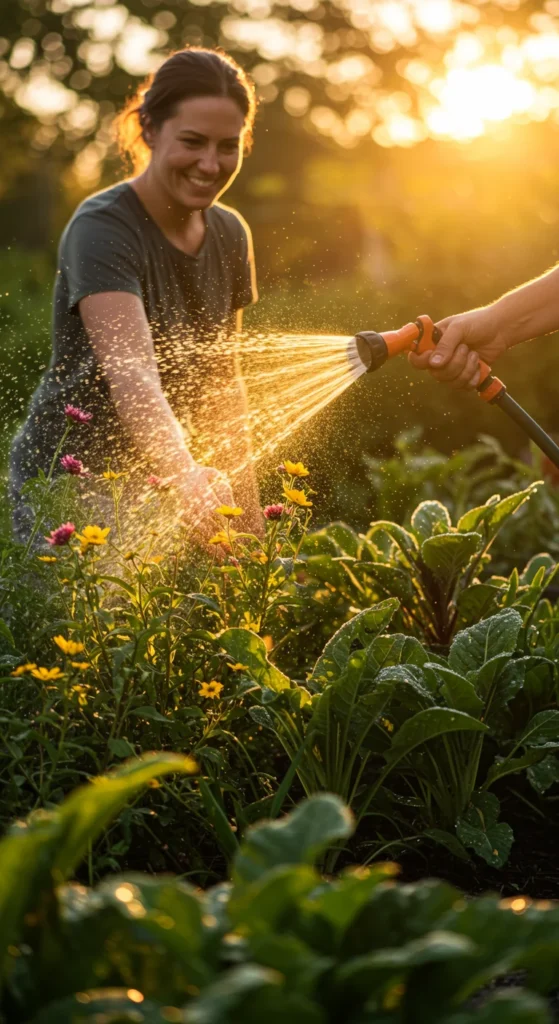
Timing matters. Watering at dawn allows moisture to soak in before heat causes evaporation. Avoid midday watering when the sun is strong. Early watering also helps prevent mildew and leaf diseases. If mornings aren’t possible, water in the late evening when temperatures drop for better soil absorption.
6. Capture Rainwater
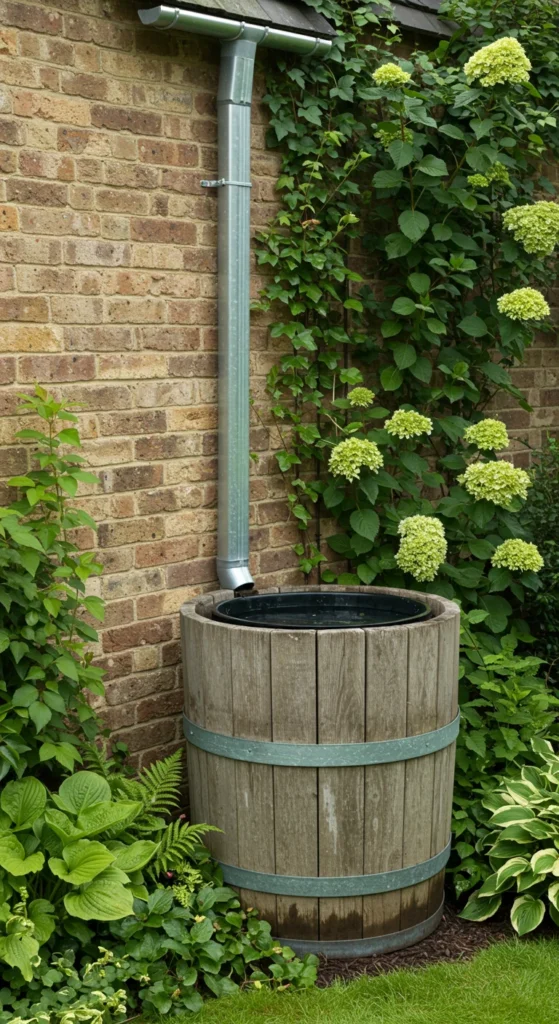
Rain barrels collect natural water for reuse during dry spells. Install one under your gutter or shed roof. Use the water for lawns, flower beds, or container plants. Cover the barrel with a mesh screen to keep debris and mosquitoes out. It’s a low-cost way to recycle water that nature provides for free.
7. Add Organic Matter to Soil
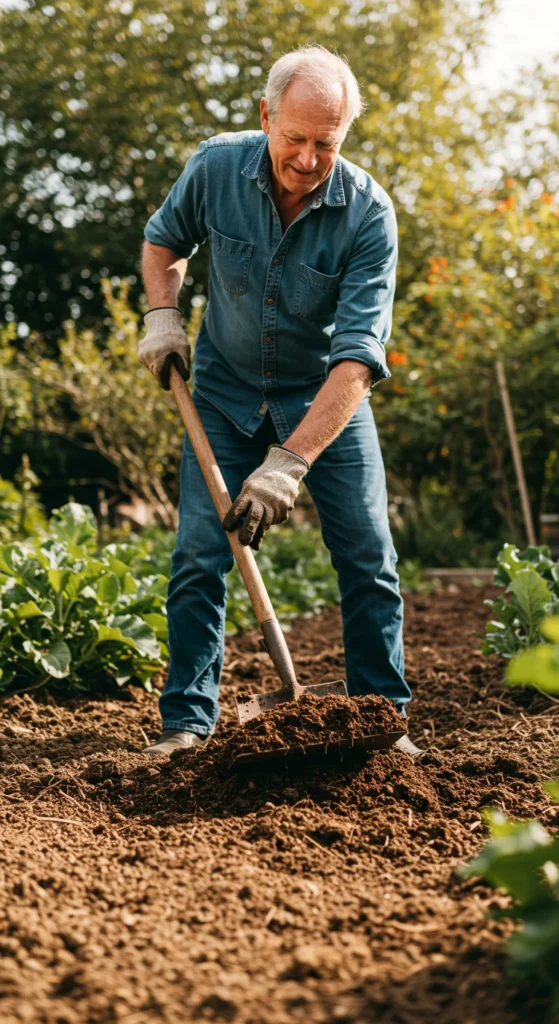
Healthy soil holds moisture longer. Mix compost, aged manure, or leaf mold into your garden beds to improve texture and drainage. Organic matter acts like a sponge, absorbing and slowly releasing water to roots. Over time, your plants become more resilient during dry periods.
8. Create Shade Zones
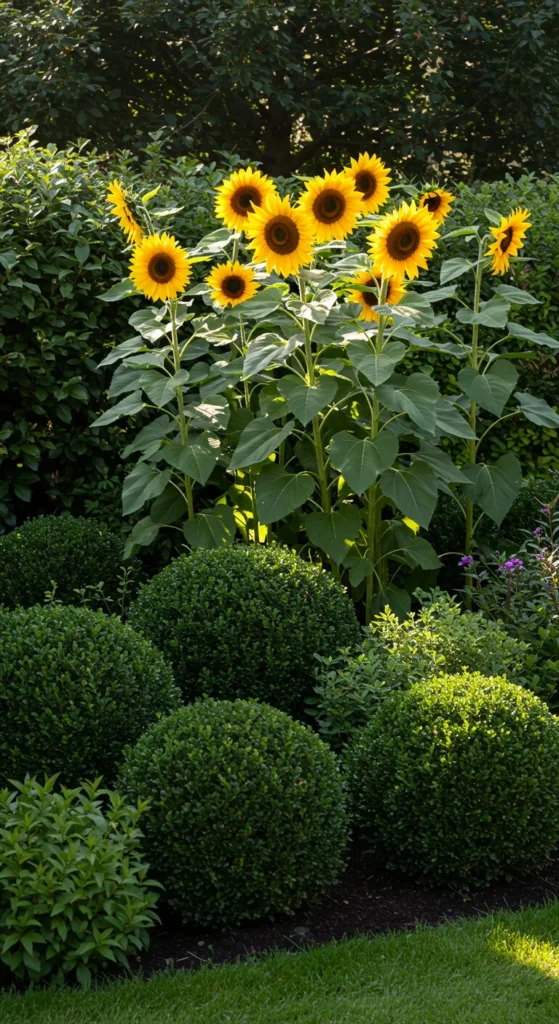
Add natural shade to protect delicate plants. Use taller species or trellised vines to create microclimates that reduce evaporation. Even a few strategically placed shrubs can make a difference. Shaded soil stays cooler and retains moisture longer, meaning less watering for you.
9. Choose Permeable Ground Covers
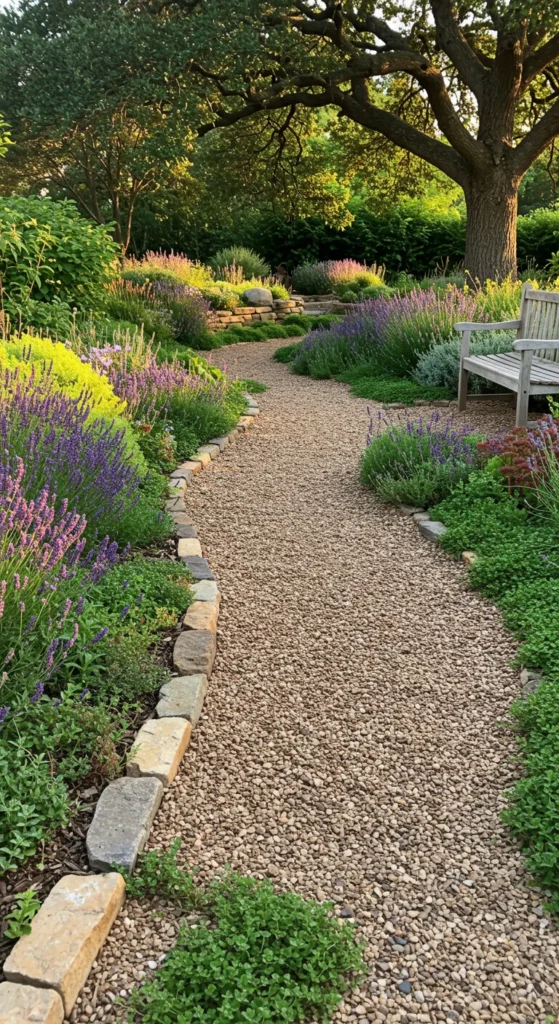
Replace grass with drought-friendly ground covers like creeping thyme, sedum, or clover. They need far less water than traditional turf. These plants also prevent erosion and fill empty spaces attractively. Pair them with permeable gravel paths to allow rainwater to soak into the soil instead of running off.
10. Try Xeriscaping
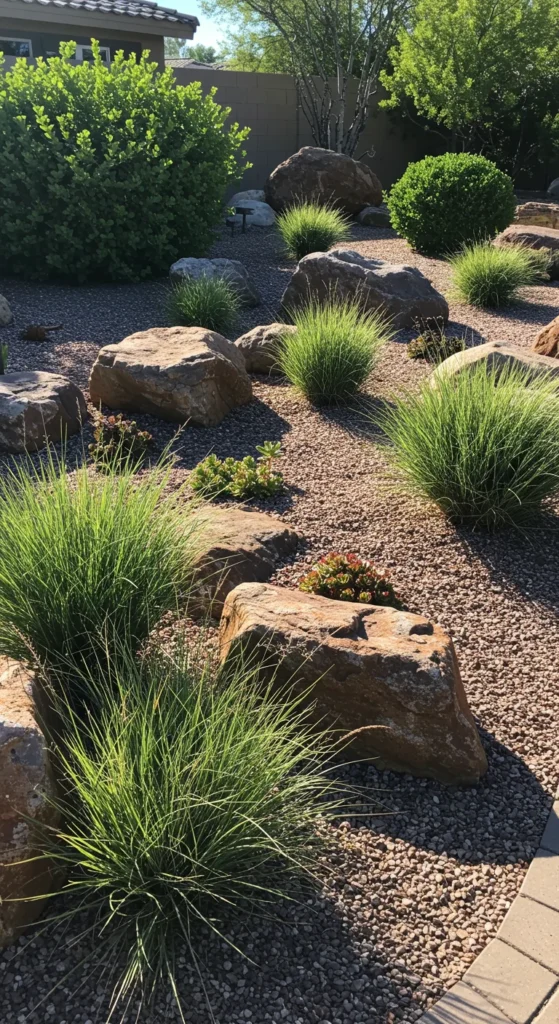
Xeriscaping is a landscaping style designed for dry conditions. It uses low-water plants, rocks, and mulch to create beautiful, sustainable gardens. Focus on structure and texture rather than constant watering. Mix cacti, agave, and native grasses for a bold look that thrives naturally in arid environments.
11. Use Self-Watering Containers
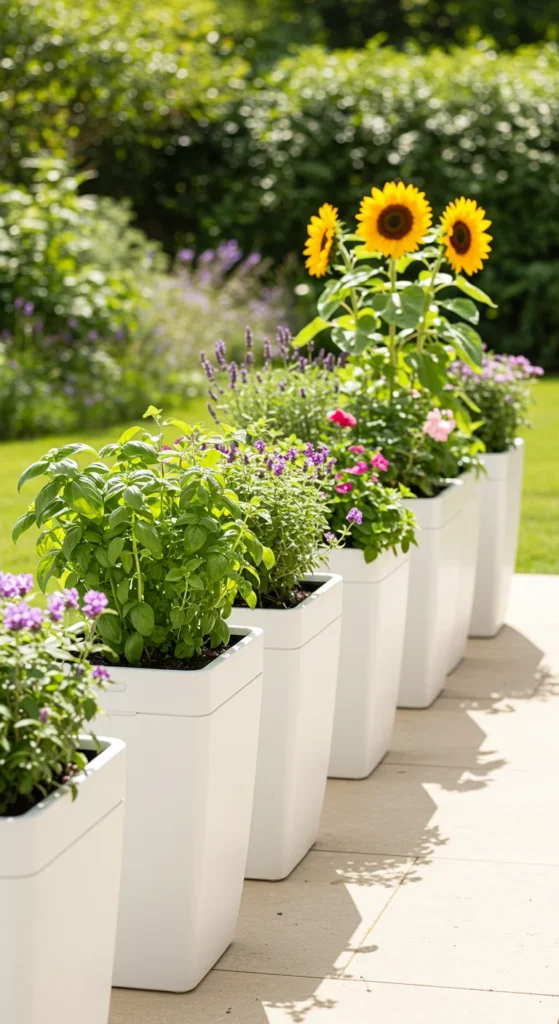
For container gardens, invest in self-watering pots with built-in reservoirs. They store water at the bottom and feed plants gradually. You can also DIY by adding a water bottle or wick system to standard pots. These containers are perfect for busy gardeners and help prevent over- or under-watering.
12. Limit Lawn Space
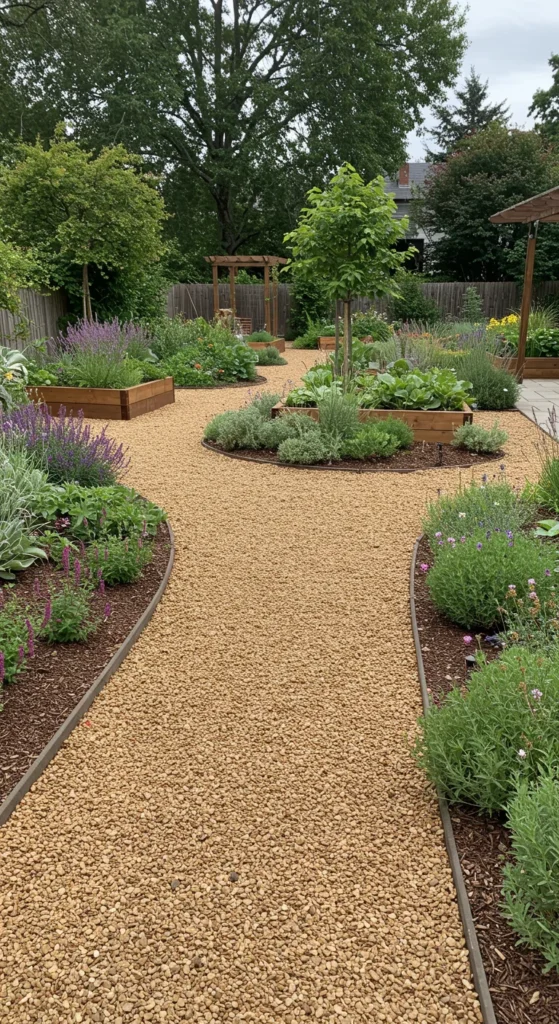
Lawns are water-intensive. Reduce their size by replacing sections with ground covers, native shrubs, or decorative stones. If you love green grass, choose drought-resistant turf like Bermuda or buffalo grass. Smaller lawns are easier to maintain and kinder to your water bill.
13. Collect Greywater
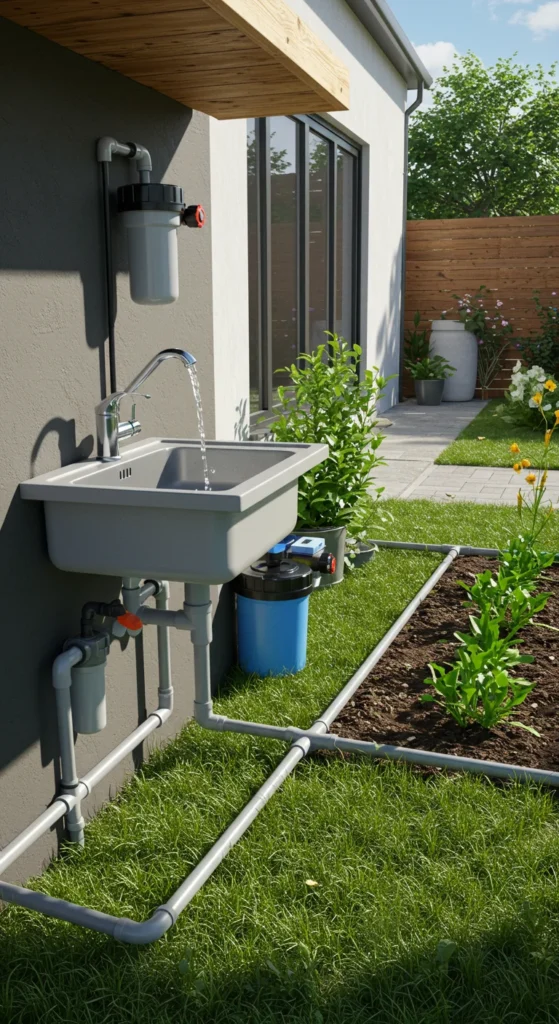
Greywater is reusable water from sinks or showers (not toilets). With simple plumbing adjustments, you can reroute it to irrigate your landscape. Always use biodegradable soaps and avoid harsh chemicals. It’s a sustainable way to reuse household water safely for non-edible plants.
14. Apply Compost Tea
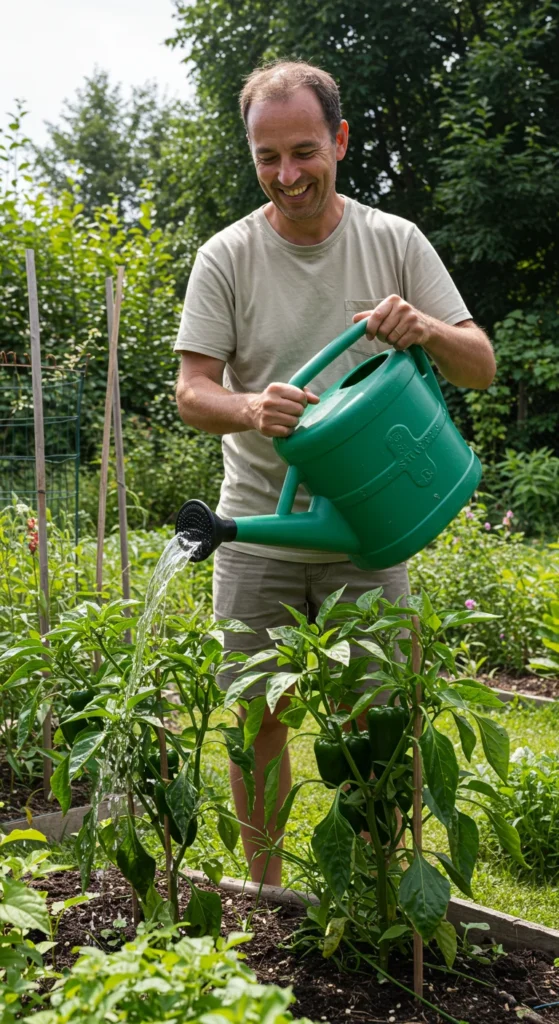
Compost tea feeds plants and strengthens roots, helping them handle drought better. Soak compost in water for 24–48 hours, strain, and pour the liquid around your plants. It adds nutrients and beneficial microbes that support healthier, more resilient soil. Use it every few weeks during growing season.
15. Plant in the Right Season
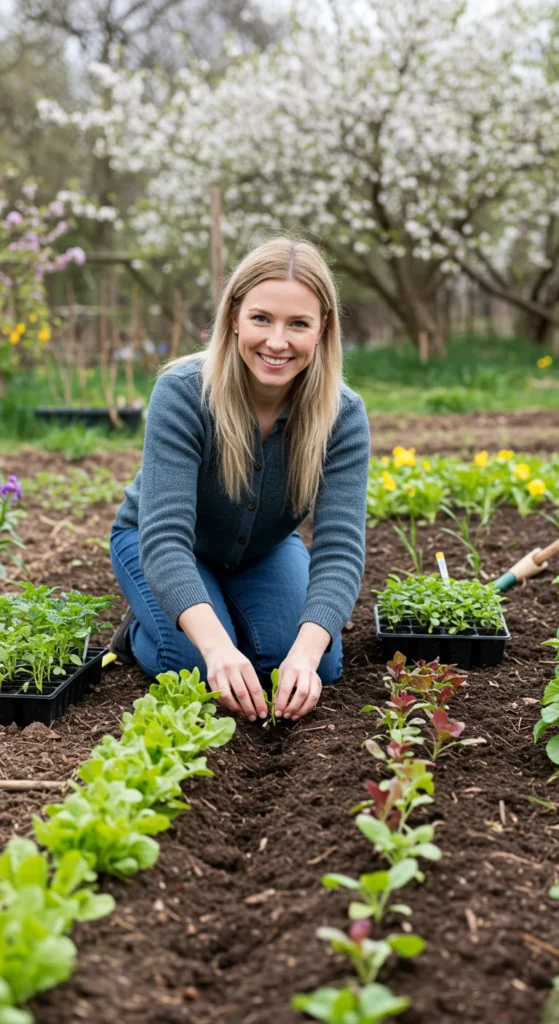
Timing your planting helps new roots establish before heat sets in. Early spring or fall is best for most species since moisture levels are higher. Avoid planting during peak summer—it stresses new plants and wastes water. Seasonal planning means stronger roots and less maintenance later.
16. Cover Soil Between Rows
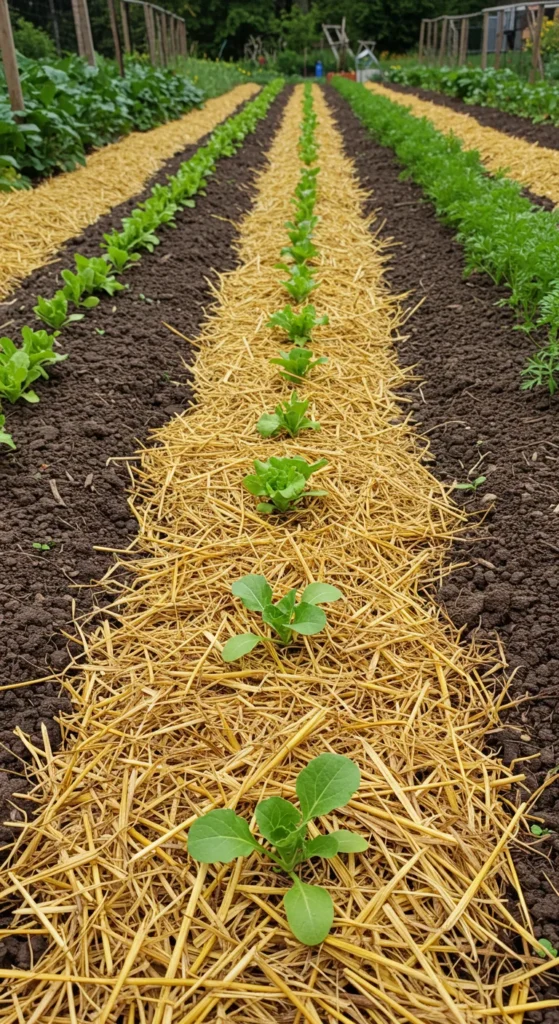
Bare soil dries fast. Cover spaces between rows with straw, leaves, or compost to retain moisture and suppress weeds. This simple barrier keeps the soil cooler and reduces evaporation. It’s especially helpful in vegetable gardens where frequent watering can be reduced drastically.
17. Grow Succulents and Cacti
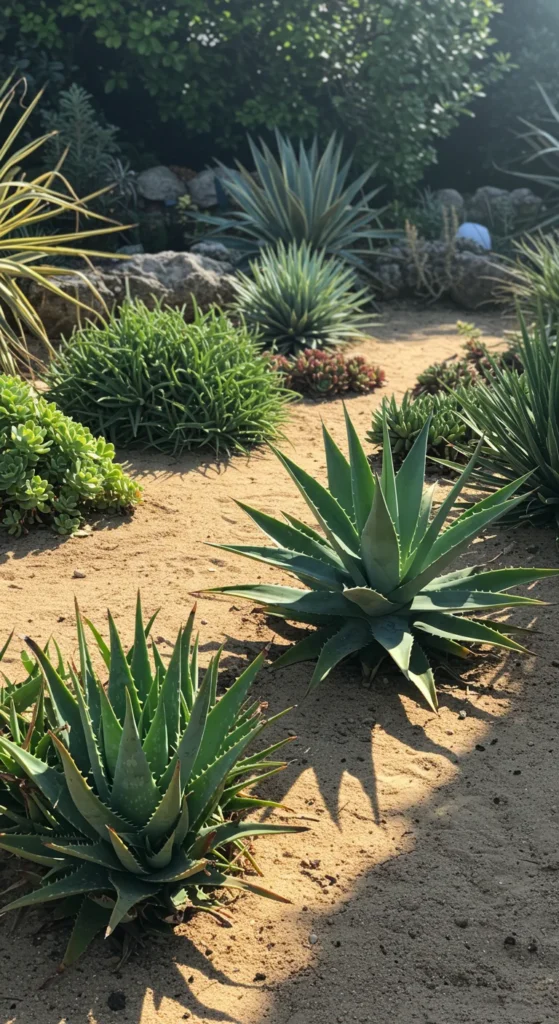
Succulents and cacti are naturally water-storing plants. They’re perfect for arid climates and low-maintenance gardens. Mix varieties with different colors and shapes for visual interest. They thrive in sandy, well-drained soil and need watering only once every few weeks.
18. Install a Smart Irrigation System

Smart irrigation systems use weather data and sensors to adjust watering automatically. They stop watering when it rains or when soil is already moist. Though pricier upfront, they pay off over time by conserving water efficiently. Many can be controlled via smartphone apps for convenience.
19. Build Swales for Rain Capture
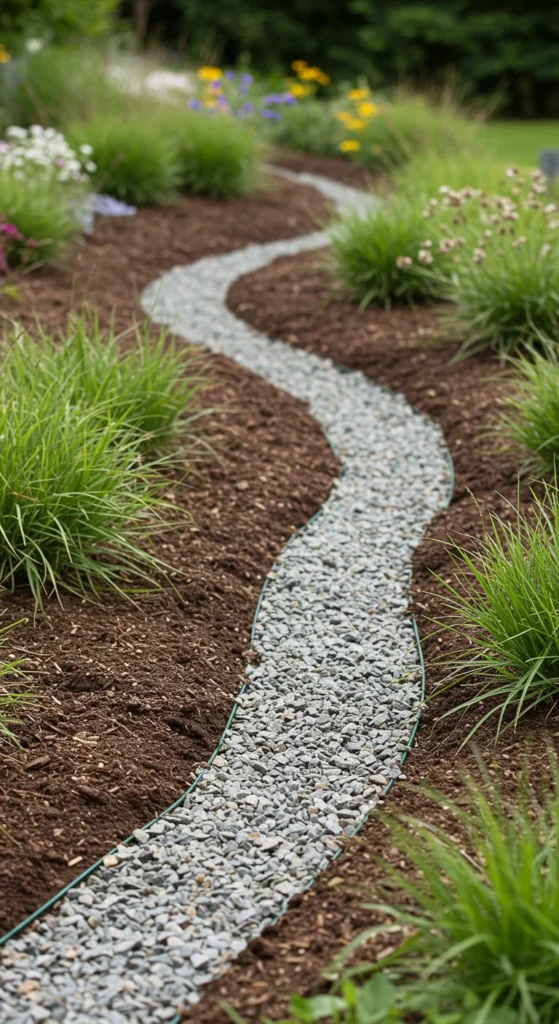
Swales are shallow ditches that collect and redirect rainwater toward plant roots. They prevent runoff and help moisture soak in slowly. Line them with gravel and hardy grasses for stability. It’s an eco-friendly way to harvest water naturally in sloped yards.
20. Add Shade Cloths
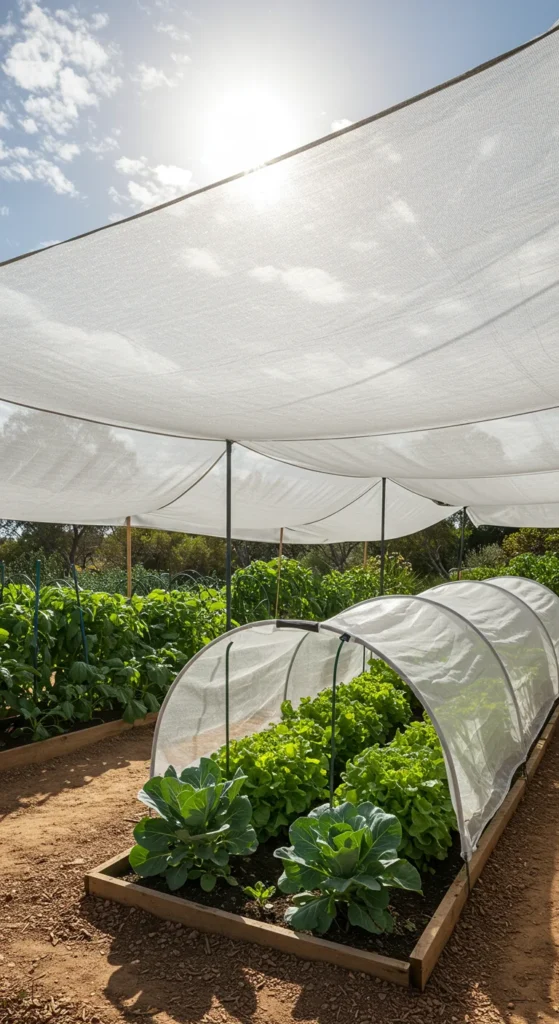
Shade cloths protect plants from extreme sun, reducing water loss and leaf burn. Use lightweight, breathable fabrics that let in filtered light. Install them over sensitive crops like lettuce or herbs during peak summer. They’re reusable and can lower evaporation by up to 50%.
21. Choose Deep-Rooted Plants
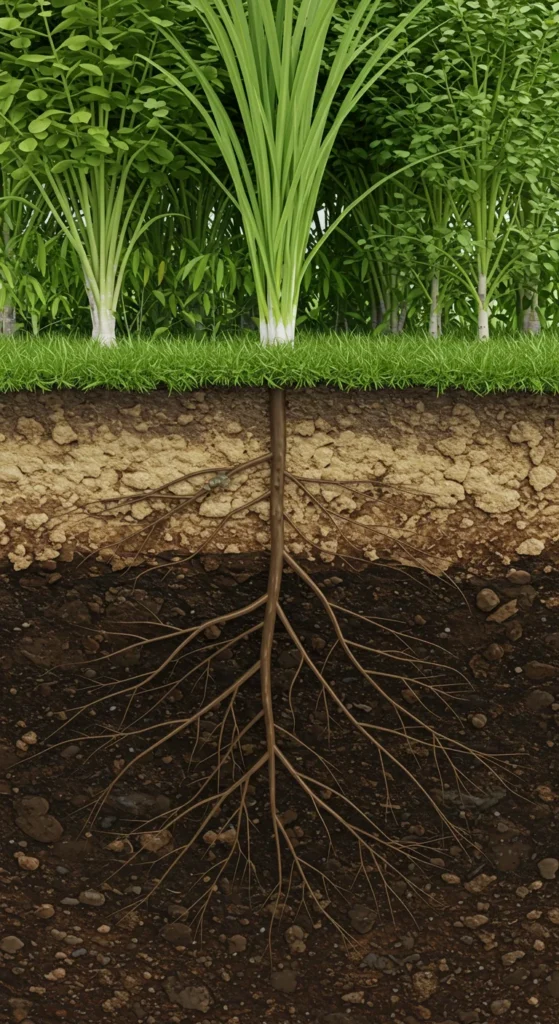
Plants with deep root systems—like lavender, yarrow, or coneflowers—access water far below the surface. They need less frequent watering once established. Mix deep-rooted varieties with shallow ones for a balanced, drought-hardy garden design that stays strong in dry months.
22. Reuse Kitchen Water
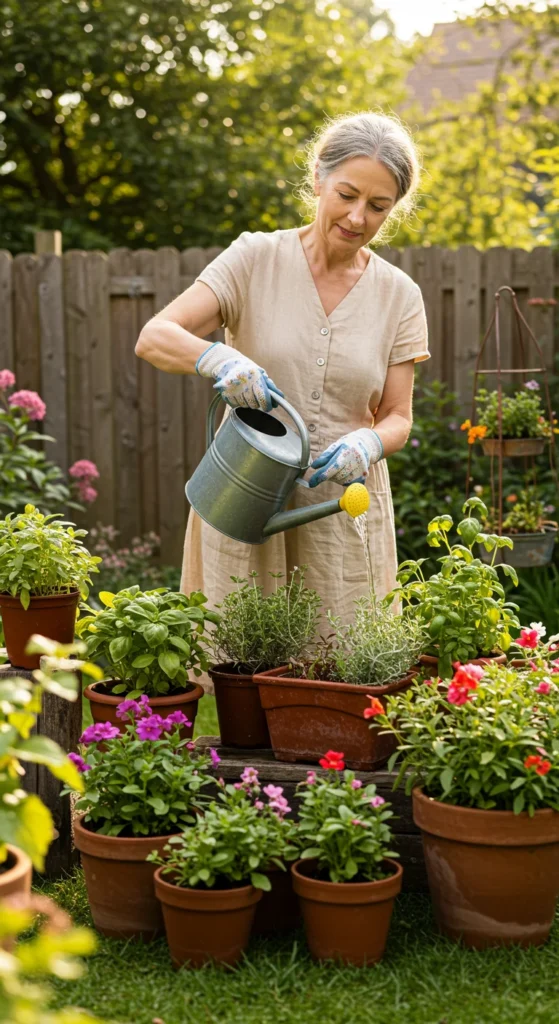
Don’t dump your leftover cooking water! Once cooled, use it for watering outdoor plants. Water from boiling pasta, washing produce, or steaming vegetables contains nutrients that help soil health. Just avoid salted or oily water. It’s a simple habit that reduces waste.
23. Use Rock Gardens for Style
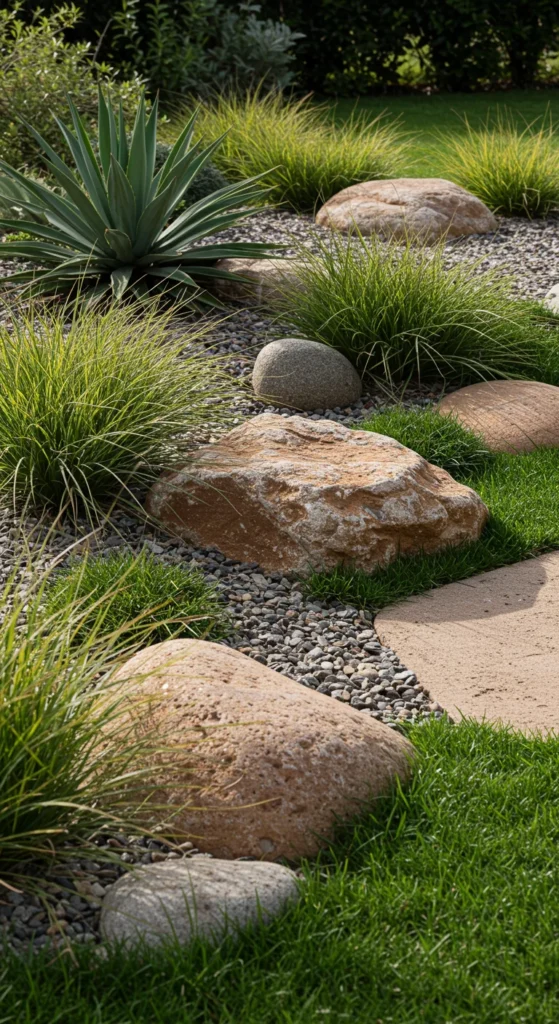
Rock gardens are naturally drought-resistant and visually appealing. Combine rocks, gravel, and hardy plants for texture and dimension. They require minimal watering and maintenance once set up. Add native succulents or grasses for a low-water landscape that looks artistic and modern.
24. Cover Pots with Pebbles
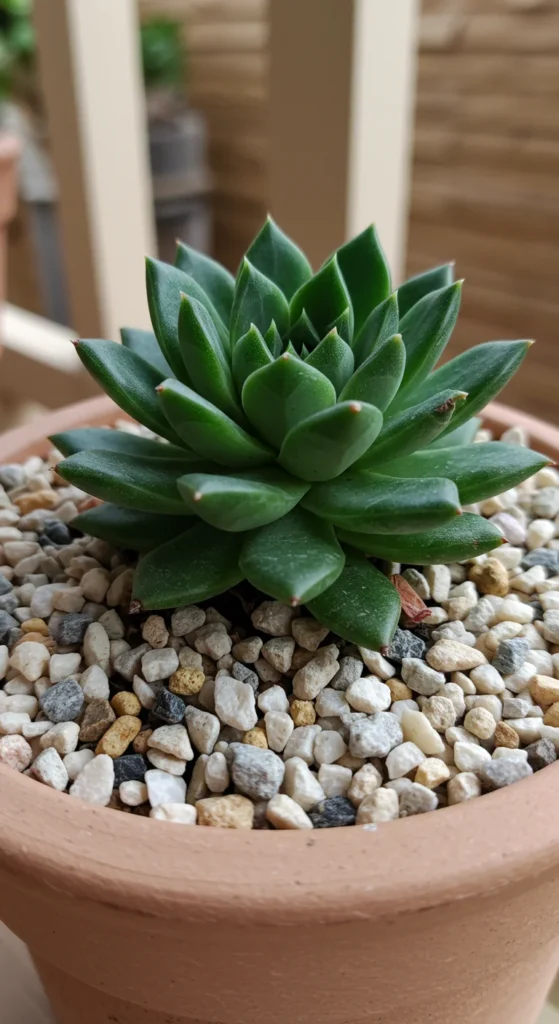
Top off container plants with small stones or gravel. This reduces evaporation, keeps soil moist longer, and deters pests. It also adds a polished look to your pots. Great for indoor and outdoor use, this quick trick extends the time between waterings without harming your plants.
Conclusion
A drought-tolerant garden isn’t about giving up color or life—it’s about working smarter with water. From choosing native plants to recycling rain, each of these hacks helps your garden thrive even in dry conditions. Start small, experiment, and watch your water-wise landscape grow greener every season. 🌿

Leave a Reply