

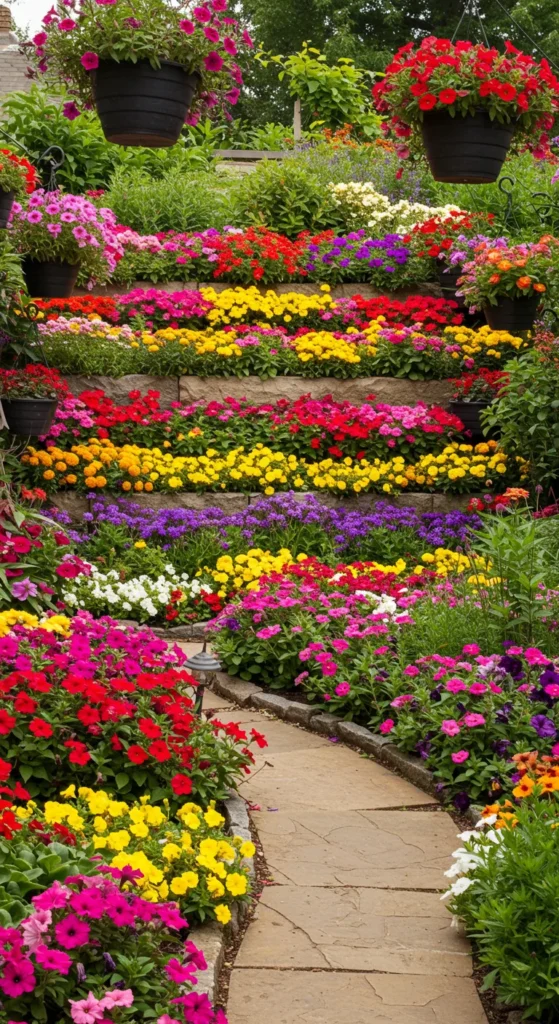
Annuals are the ultimate garden game-changer—they deliver instant color, bold texture, and fresh life to any outdoor space. Unlike perennials, annuals complete their life cycle in one season, meaning you can reinvent your garden every year with new color combinations and layouts. Whether you love rich jewel tones or pastel charm, these 22 colorful annual gardening ideas will help your yard burst into life the moment you plant them.
1. Create a Rainbow Border
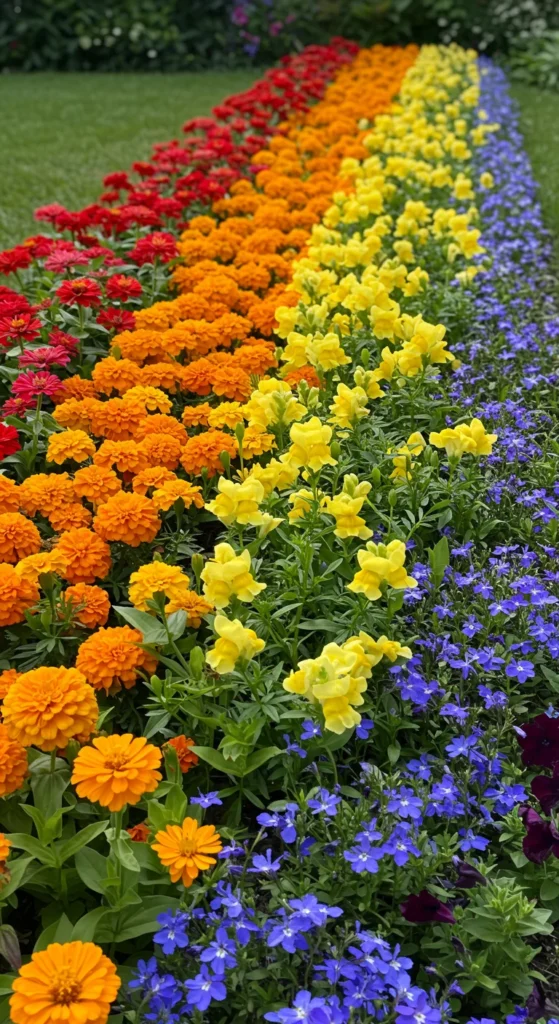
Turn your garden into a living rainbow by planting annuals in color order. Choose flowers like zinnias, marigolds, lobelia, and petunias in bold shades. Start with reds near pathways and fade into purples at the far edge. Keep taller plants in the back for structure. This design adds instant cheer and works perfectly for front yards or along fences.
2. Mix Annuals in Containers
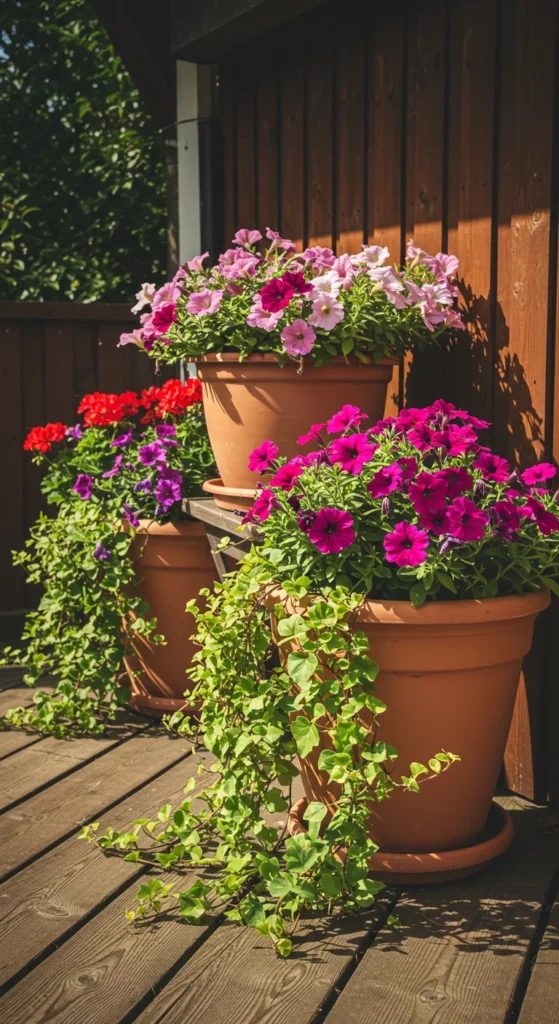
Containers make it easy to switch up your garden’s look. Combine thrillers, fillers, and spillers—like geraniums, dusty miller, and sweet potato vine—for texture and variety. Use pots of different shapes and heights for interest. Annuals in containers also work well on balconies or small patios. Change the colors each season for a fresh style without redoing your entire yard.
3. Add Hanging Baskets for Height
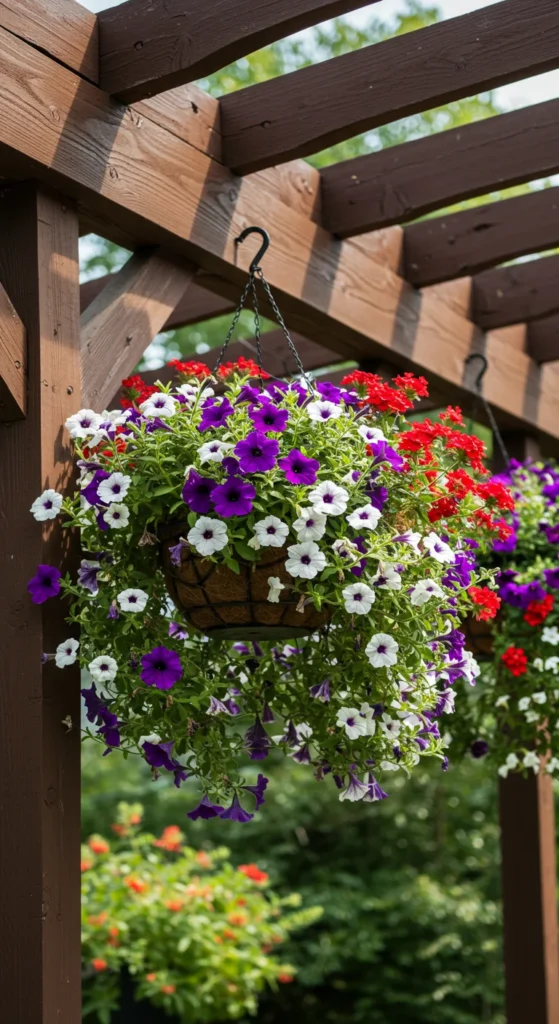
If you’re short on space, look up! Hanging baskets filled with petunias, verbena, or calibrachoa add vertical color. Mix contrasting shades for drama—think pinks and purples or oranges and reds. Water daily in hot weather and feed every two weeks for lush growth. Hanging annuals draw the eye upward and make patios or porches feel alive.
4. Use Annuals as Ground Covers
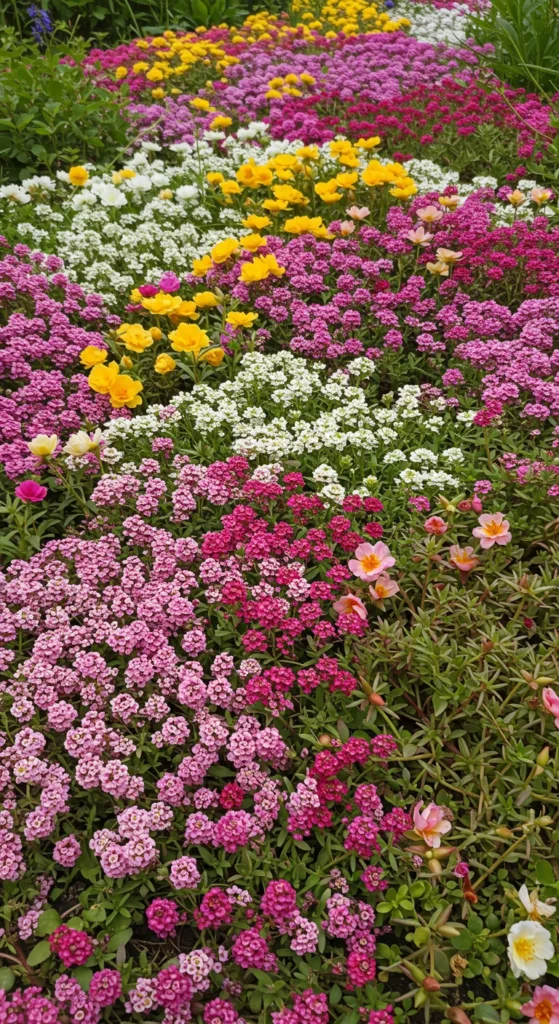
Low-growing annuals like alyssum, moss rose, or creeping zinnias make great ground covers. They fill gaps between stepping stones or shrubs, adding color where grass won’t grow. Once established, they crowd out weeds naturally. Choose varieties that love full sun and well-drained soil for the best coverage.
5. Design a Bold Entrance Bed
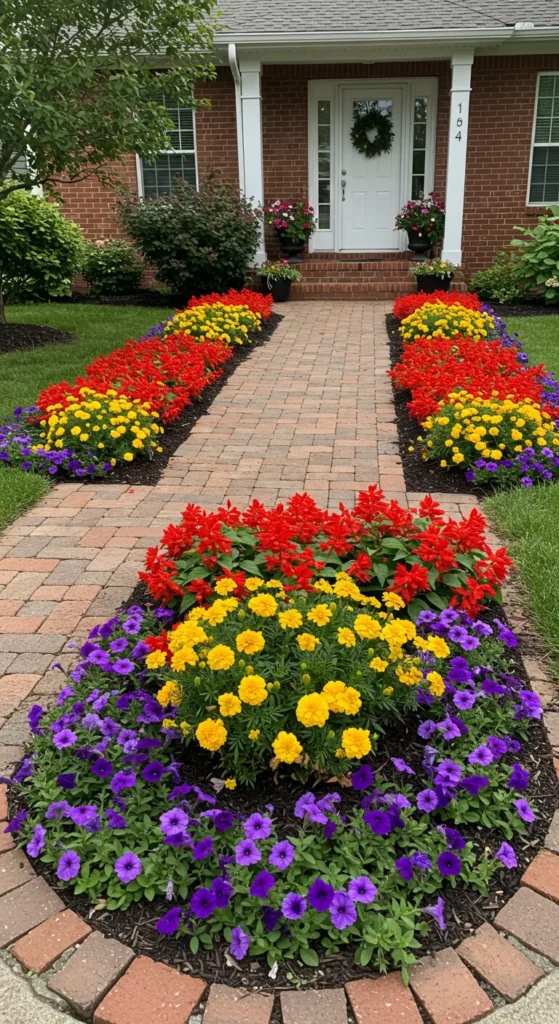
Make a memorable first impression with vibrant entryway beds. Combine high-contrast colors—like red and yellow—for a dramatic effect. Annuals like marigolds, salvia, and celosia provide strong color blocks. Edge the bed with low-growing flowers like lobelia to keep it polished. Replant each season to keep it fresh and lively.
6. Go Monochrome for Sophistication
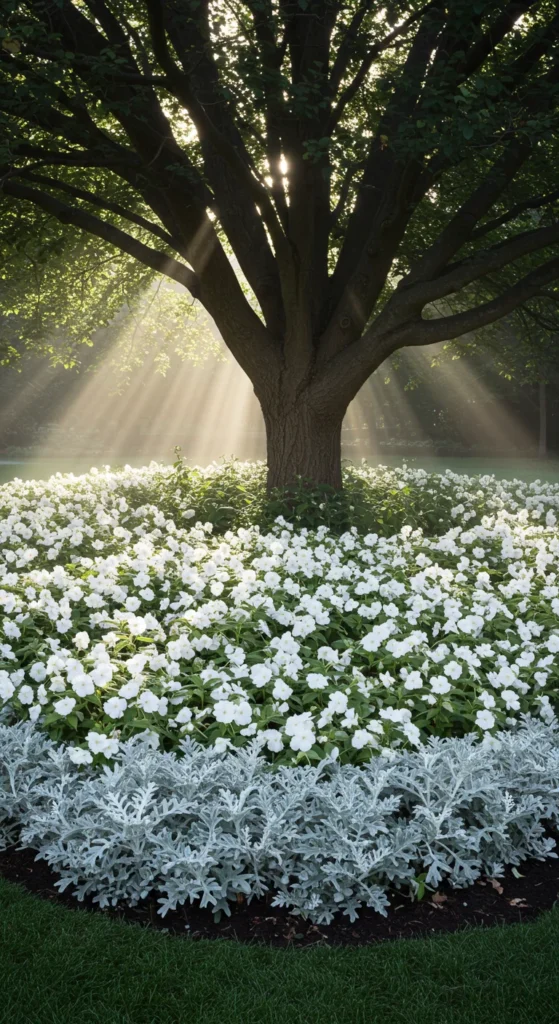
Sometimes less is more. Choose one color palette—such as all pinks or all whites—for a calm, cohesive look. Monochrome gardens feel elegant and unified. White annuals, for example, glow beautifully at night under garden lighting. This design is perfect for small urban gardens or formal landscapes.
7. Pair Annuals with Perennials
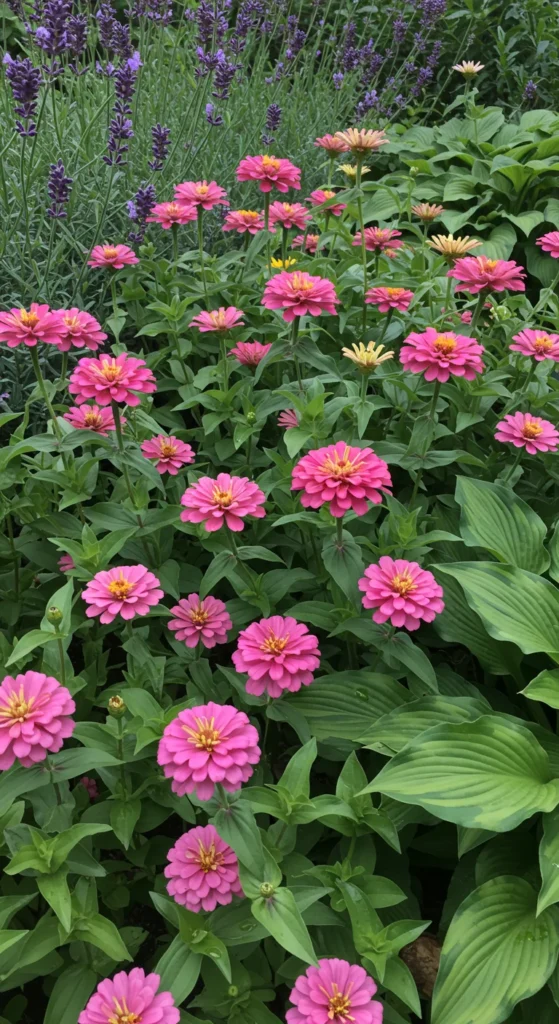
Annuals and perennials can live in harmony. Fill gaps between perennials with fast-growing annuals like zinnias or cosmos for continuous blooms. When perennials rest, annuals keep the display alive. Choose complementary colors to keep the transition smooth and natural-looking.
8. Plant a Butterfly Garden
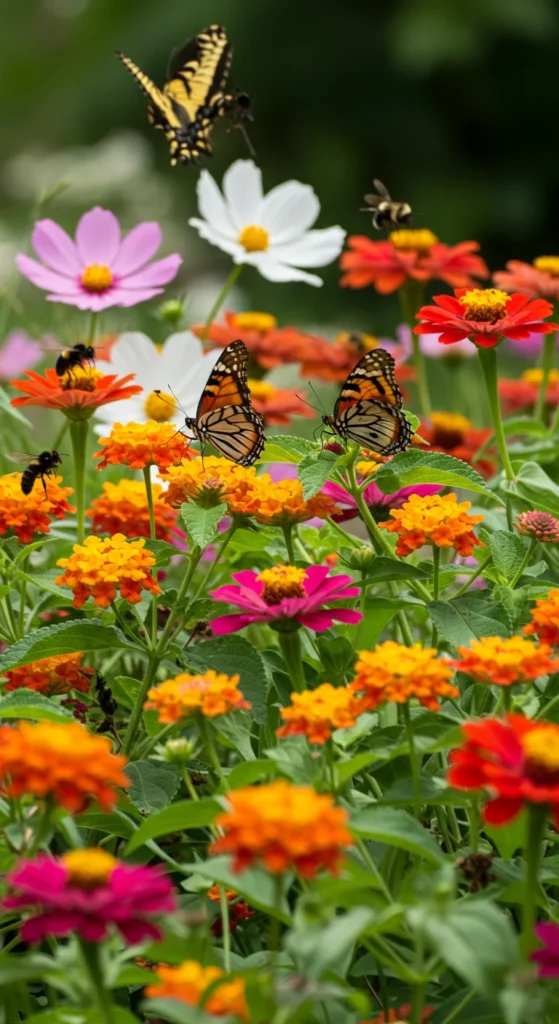
Butterflies love bright blooms. Choose nectar-rich annuals like lantana, cosmos, and zinnias. Add a shallow water dish and some flat stones for resting spots. Avoid chemical sprays to keep pollinators safe. The movement and color of butterflies will make your garden feel magical all season.
9. Try a Sunset Palette
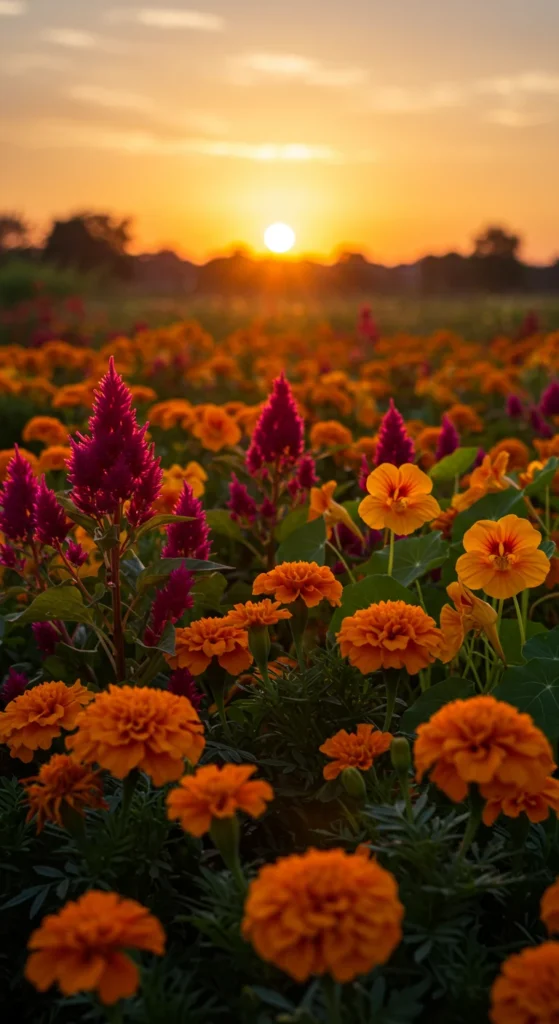
Capture the warmth of golden hour with sunset-inspired blooms. Combine orange, red, and yellow annuals like marigolds, celosia, and nasturtiums. These tones look stunning under the late-day sun. Pair with neutral pots or stones to let the colors shine.
10. Add Annuals to Vegetable Gardens
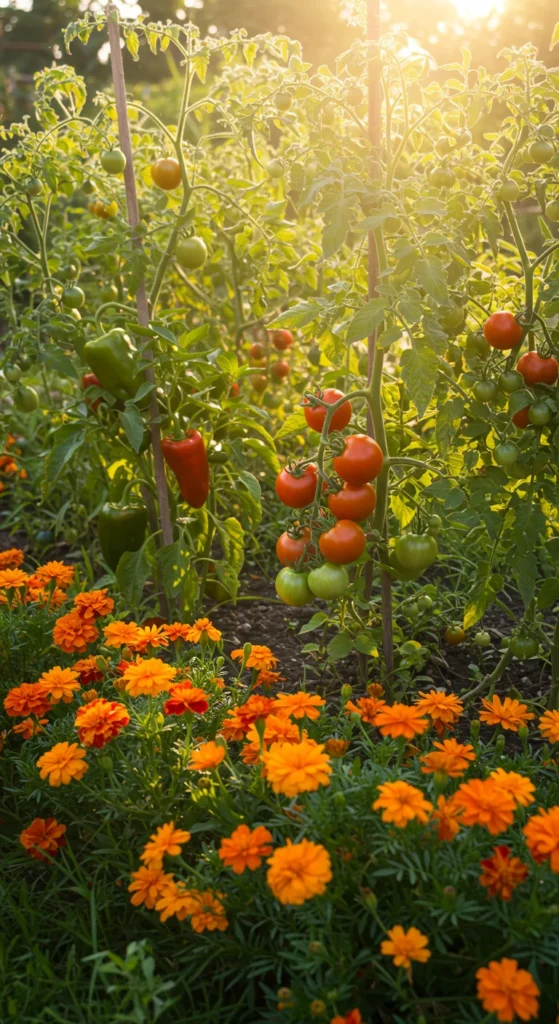
Flowers and veggies make great partners. Add marigolds, calendulas, or nasturtiums around vegetable beds to repel pests and attract pollinators. Their colors break up the green foliage and make edible gardens beautiful as well as productive. Plus, they’re low-cost and easy to replace each year.
11. Create a Tropical Corner
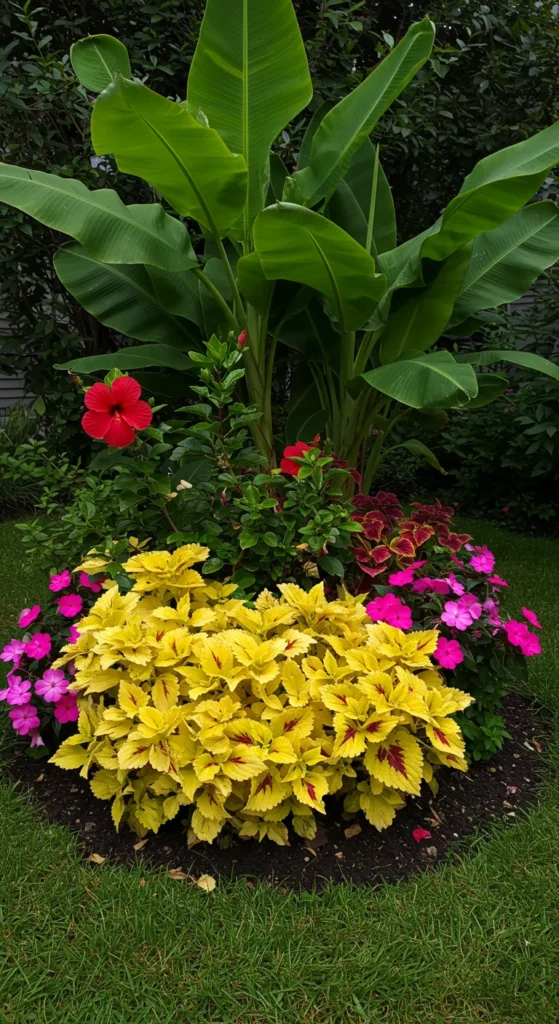
Give your space vacation vibes with tropical annuals. Combine bold textures and hot colors—think red hibiscus, pink impatiens, and vibrant coleus foliage. Use large containers or raised beds to create lush layers. Add string lights or bamboo accents for a resort feel right at home.
12. Edge Walkways with Color
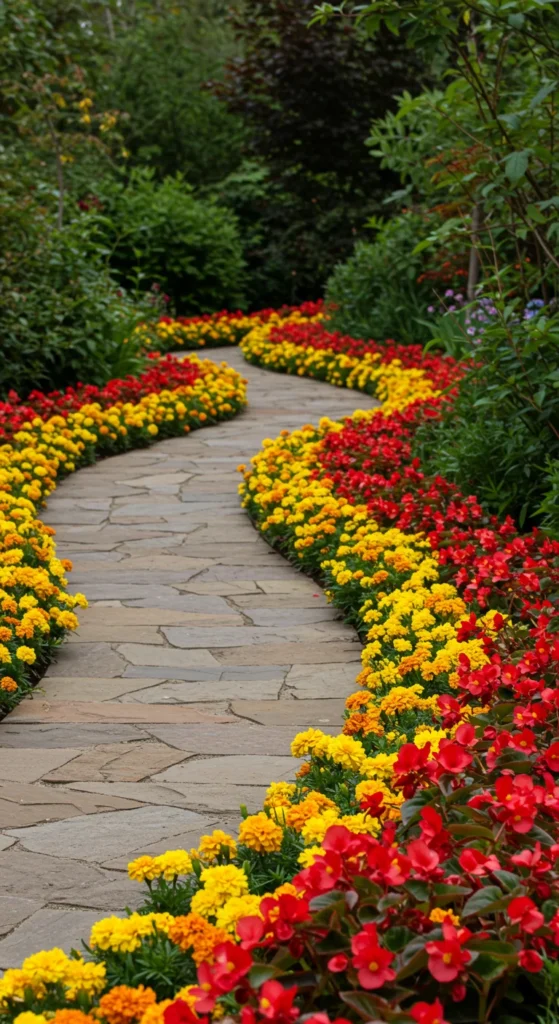
Edge paths and driveways with compact annuals like begonias, lobelia, or dwarf marigolds. They soften hard edges and create a guiding line of color. Stick to two or three colors for a clean, balanced look. This approach adds polish without requiring a full redesign.
13. Choose Shade-Loving Annuals
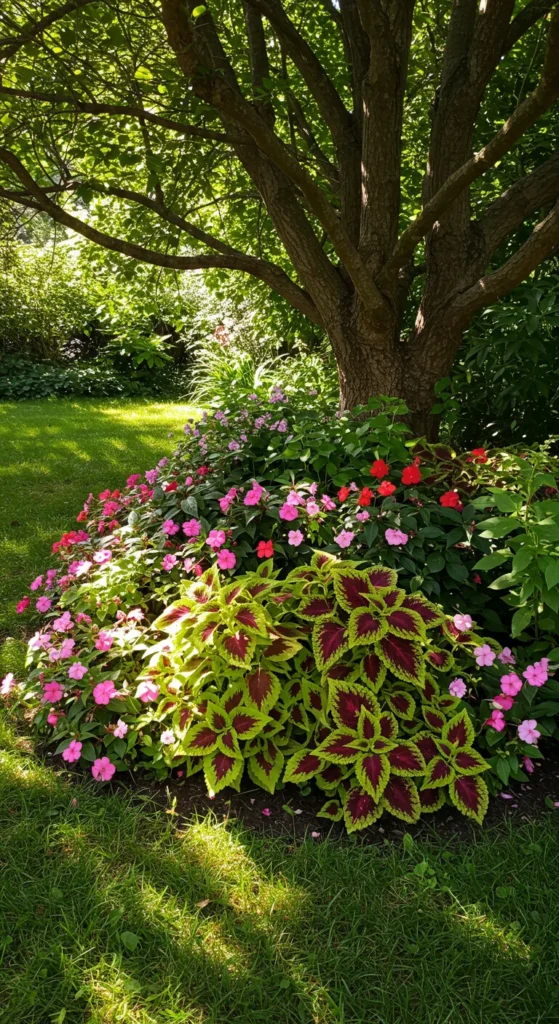
Shade doesn’t mean boring. Try impatiens, begonias, and coleus in partially shaded areas. Their bold foliage and bright blooms light up dark corners. Water regularly and feed monthly for consistent color. These plants thrive under trees, porches, or on the north side of your home.
14. Go Bold with Foliage
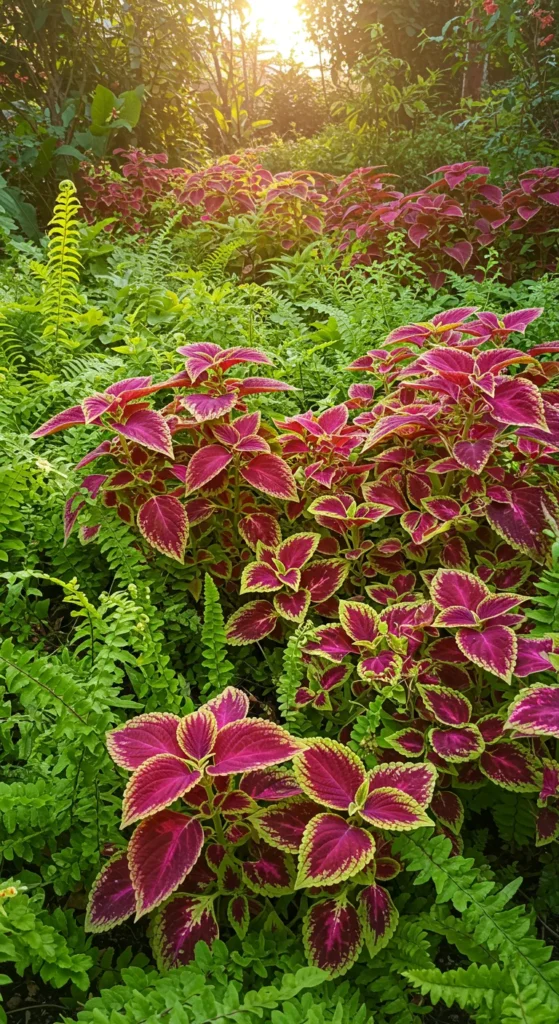
Not every showstopper has flowers. Foliage annuals like coleus and dusty miller add dramatic color through their leaves. Mix patterns and shades to create texture. They look incredible in both containers and beds, adding depth even when flowers fade.
15. Grow Annual Vines for Drama
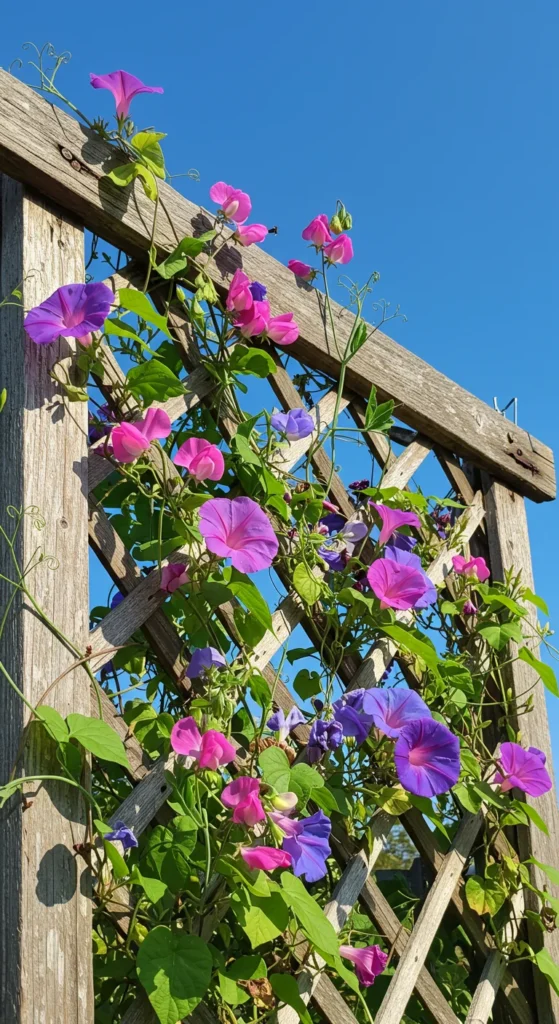
Add height and visual impact with flowering vines. Annuals like morning glory and sweet pea climb trellises, fences, and pergolas beautifully. Choose fast growers for quick coverage. These colorful climbers create living walls that look spectacular by midsummer.
16. Try Window Boxes
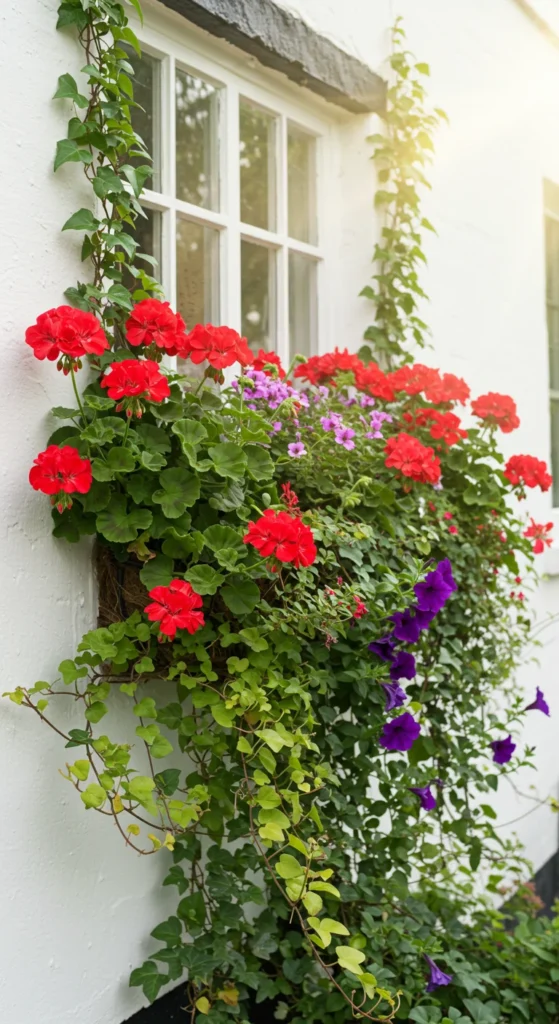
Add charm to your home exterior with window boxes. Mix upright flowers like geraniums with trailing ones like ivy or petunias. Choose colors that complement your home’s exterior. Water often and trim regularly to keep them full. It’s a quick, impactful way to make your home feel welcoming.
17. Design a Cottage Garden Mix
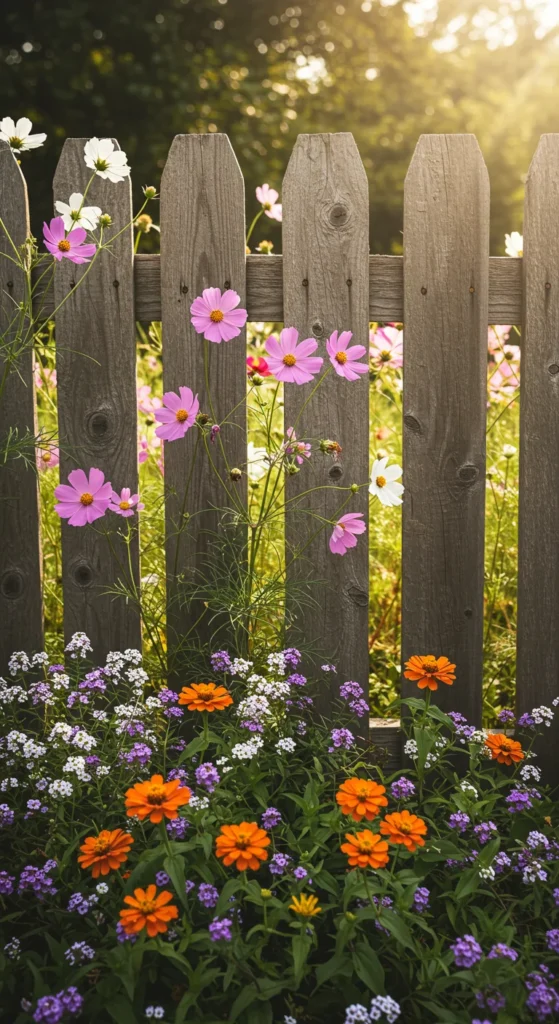
Create a carefree cottage-style garden using a mix of annuals like cosmos, alyssum, and zinnias. Let plants overlap naturally for a wild, romantic look. Combine soft pastels with bright accents to keep it lively. This style suits small yards and grows well with minimal fuss.
18. Fill Empty Spots Instantly
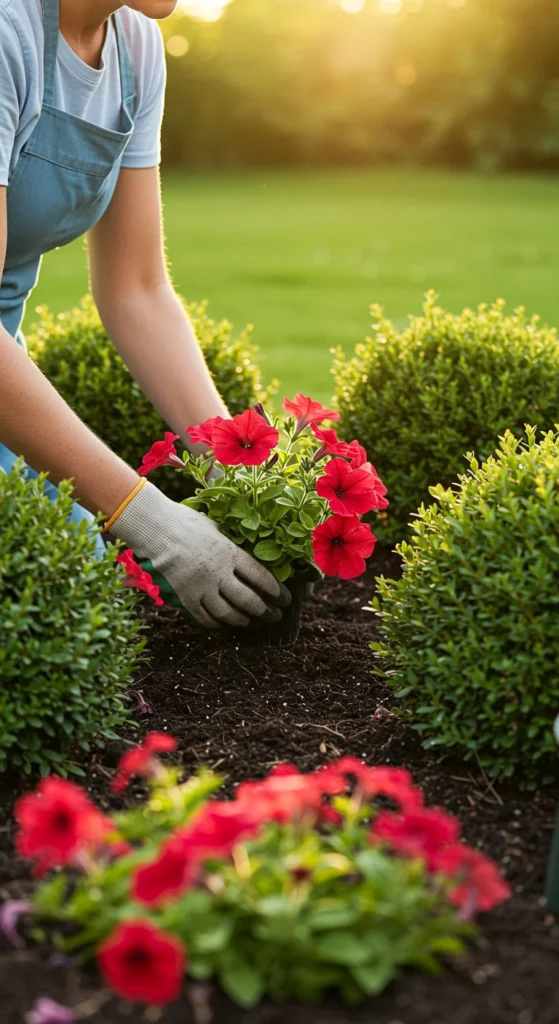
Annuals are perfect for filling empty patches. If a perennial didn’t return or a shrub looks sparse, add quick color with petunias, snapdragons, or vincas. Their fast growth and vibrant hues make your garden look full and finished overnight.
19. Add Annuals to Hanging Walls
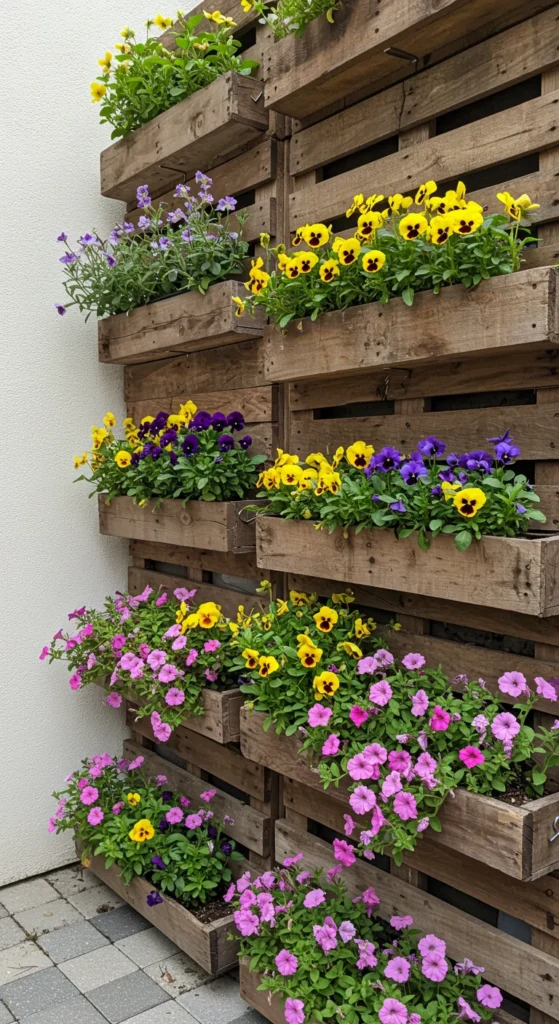
Turn blank walls into living art with vertical planters. Use annuals like pansies, lobelia, and petunias for easy upkeep. Water gently with a spray nozzle and fertilize monthly. Vertical gardens are great for small spaces and add an artistic pop of color.
20. Use Bold Color Contrasts
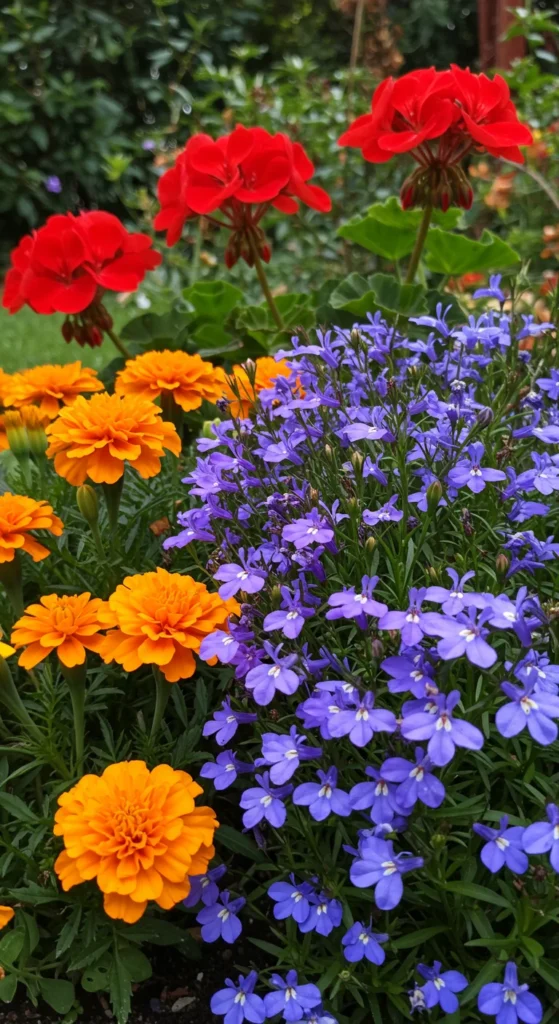
Color contrast creates instant visual excitement. Pair complementary shades—like purple and yellow or blue and orange. Test combinations before planting to see how they interact in sunlight. Contrasting annuals make flower beds feel more dynamic and memorable.
21. Refresh Pots Each Season
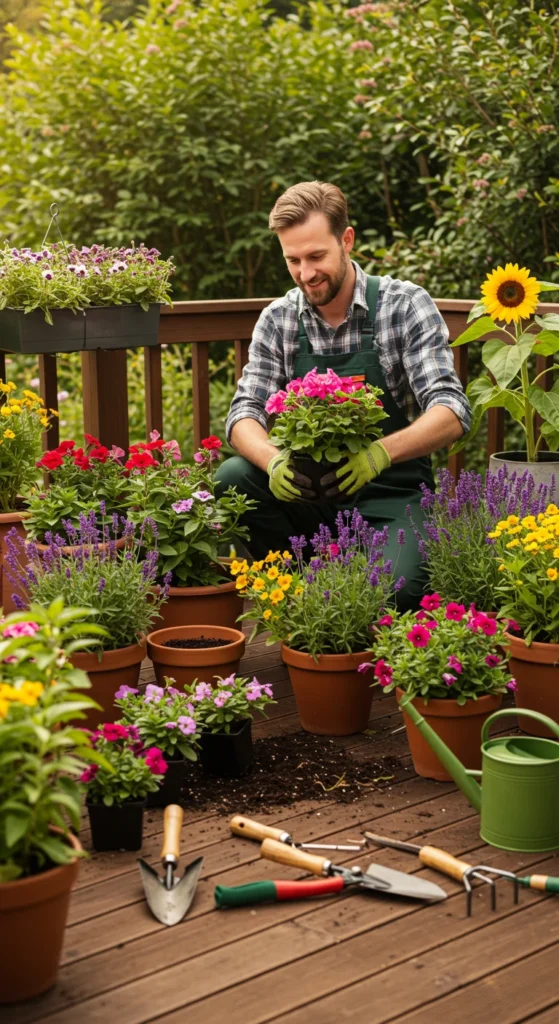
Keep container gardens lively by switching annuals each season. Replace spring pansies with summer petunias, then fall mums. This keeps color consistent while matching seasonal moods. Add fertilizer when replanting to give new flowers a healthy start.
22. Line Fences with Annual Blooms
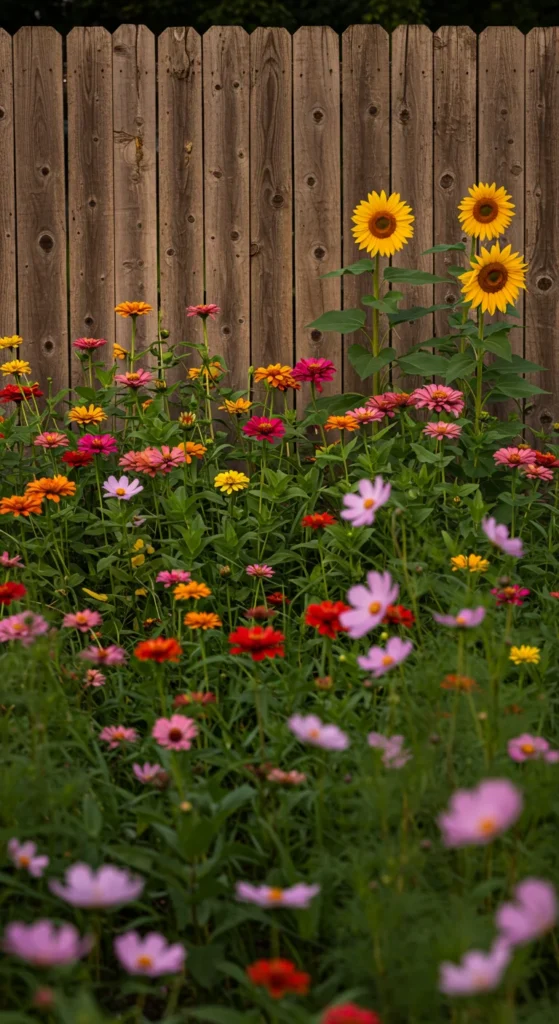
Turn plain fences into art with tall annuals like sunflowers, cosmos, and zinnias. They create a cheerful backdrop that softens hard lines. Space them evenly and add shorter plants at the base for layers of texture and height. The result is a vibrant, living wall of color.
Conclusion
Annuals are the easiest way to make your garden pop instantly—no waiting years for blooms or complicated maintenance. Whether you love hanging baskets, window boxes, or full garden beds, these colorful ideas keep your space full of life all season long. Pick your favorite combinations, grab a trowel, and start planting! 🌼

Leave a Reply