

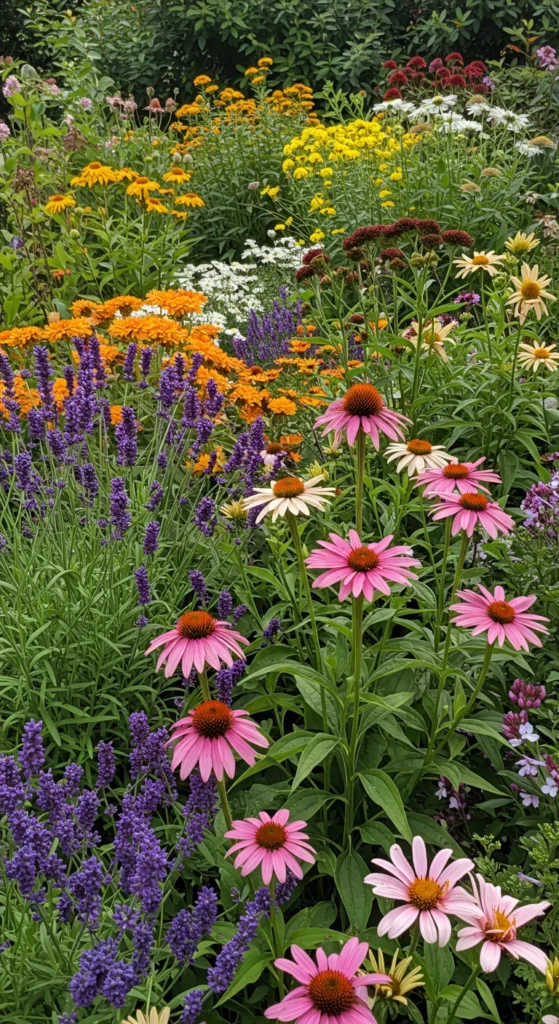
Perennial gardens bring lasting color, fragrance, and texture to your outdoor space without the yearly replanting that annuals require. With a little care and planning, they’ll reward you with blooms that return year after year—bigger, healthier, and more stunning. Whether you’re starting a new bed or improving an existing one, these 21 perennial gardening tips will help you grow flowers that thrive through every season.
1. Choose the Right Location
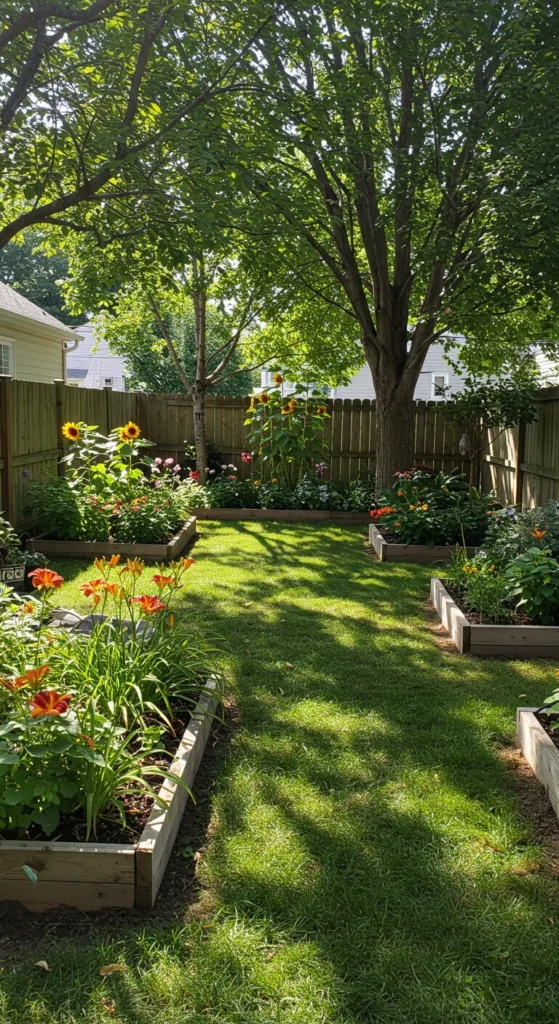
Every successful garden starts with good placement. Most perennials prefer full sunlight—about six hours a day—but some thrive in partial shade. Observe how light moves across your yard before planting. Place shade lovers like hostas under trees and sun lovers like coneflowers in open spaces. Choosing the right spot means less stress for your plants and stronger, longer-lasting blooms.
2. Prepare the Soil Well
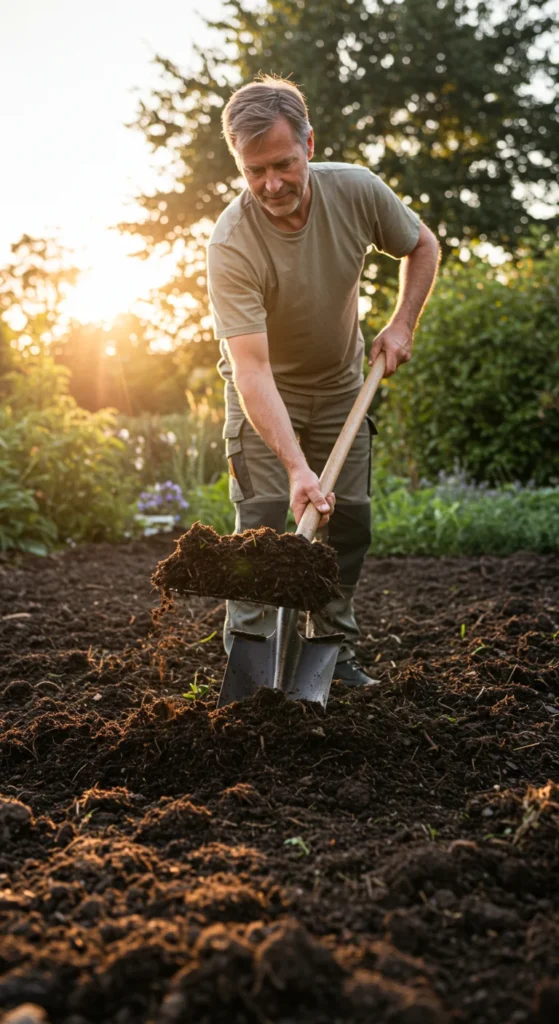
Healthy soil is the foundation of any thriving garden. Loosen compacted earth and mix in compost or aged manure to improve structure and drainage. Test your soil’s pH with an inexpensive kit—most perennials prefer slightly acidic to neutral conditions. Good soil prep at the start saves you time later and helps your plants settle in beautifully.
3. Group Plants by Watering Needs
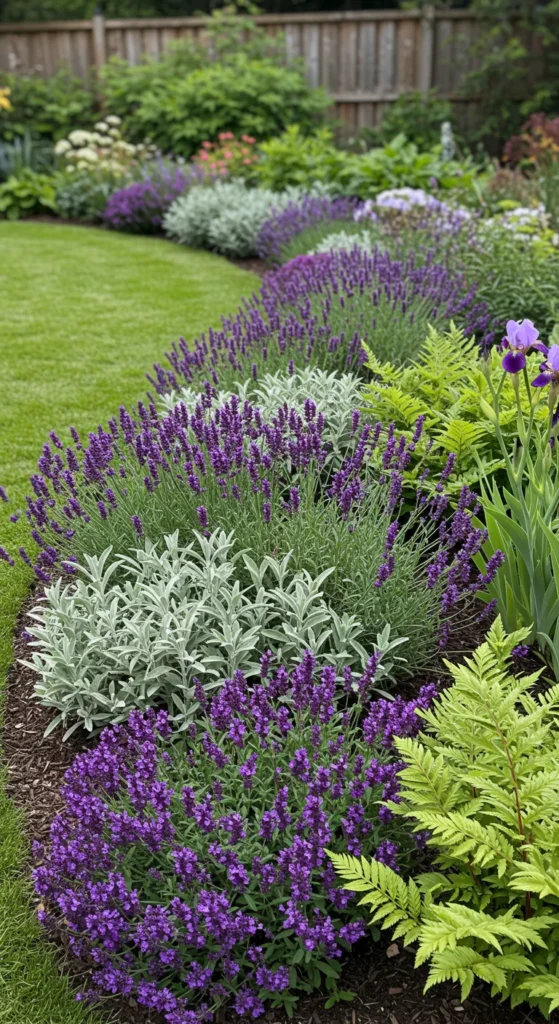
Mixing thirsty plants with drought-tolerant ones makes watering tricky. Group perennials that share similar water preferences together. This keeps your garden healthy and conserves water. For example, place lavender, yarrow, and sedum together in dry spots, while hostas and astilbes thrive in damp corners. This simple hack keeps maintenance easy year-round.
4. Space Plants Properly
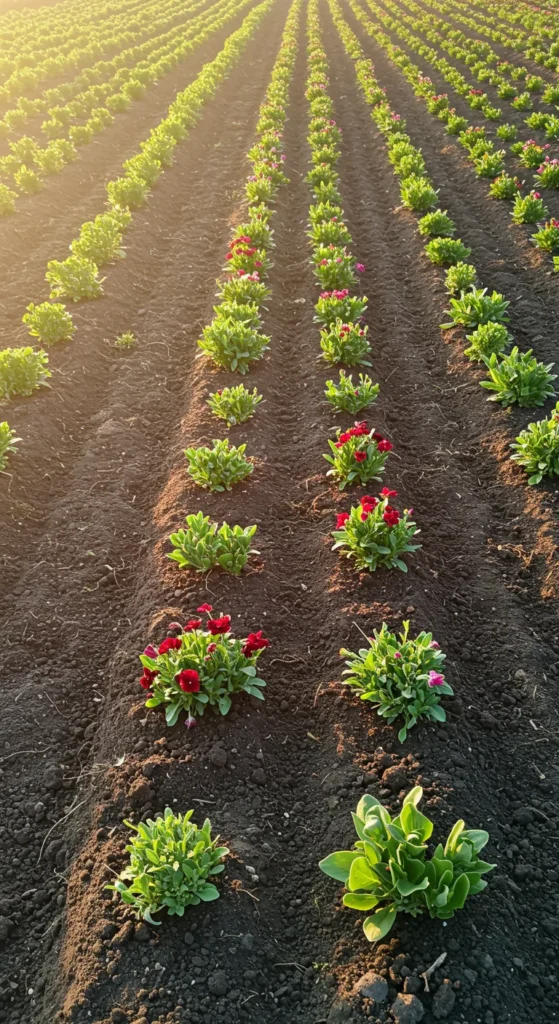
Crowded plants compete for light, nutrients, and airflow. Follow spacing recommendations on plant tags to avoid mildew or stunted growth. It’s tempting to plant close for instant fullness, but give them room to spread naturally. Within a season or two, your garden will fill in beautifully without overcrowding.
5. Mulch to Keep Moisture In
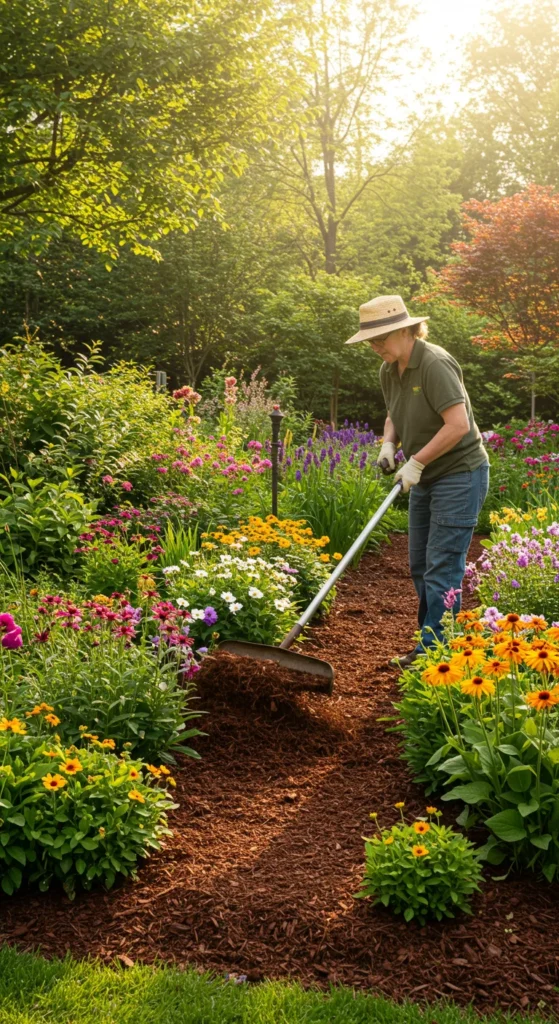
A 2–3 inch layer of mulch helps soil retain moisture, prevents weeds, and protects roots from temperature swings. Use bark, straw, or shredded leaves. Refresh it each spring, but keep mulch an inch away from stems to prevent rot. It’s one of the simplest ways to keep perennials thriving with minimal effort.
6. Feed in Early Spring
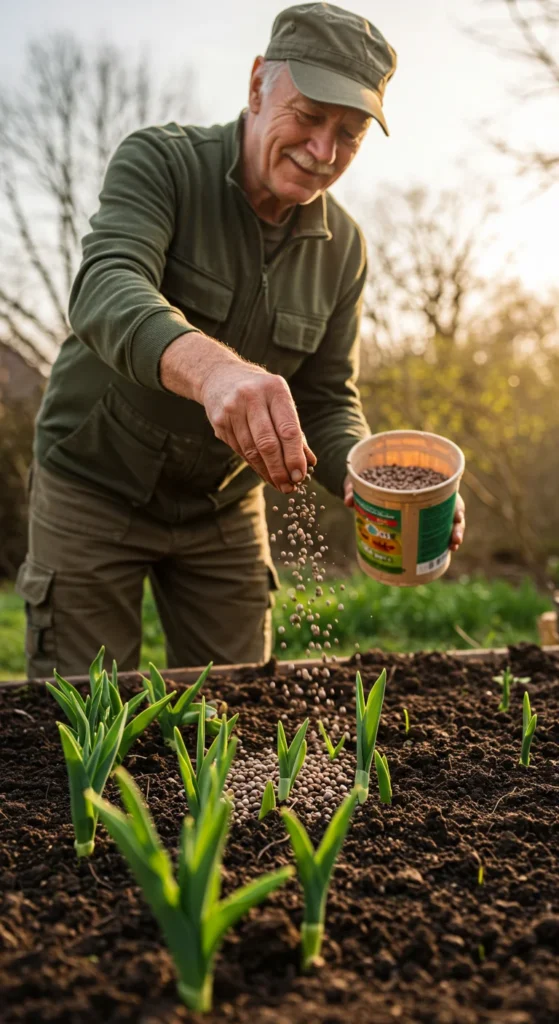
Give perennials a nutrient kick just as new growth appears. Use a balanced slow-release fertilizer or compost. Avoid overfeeding—it encourages excessive foliage instead of flowers. A spring feeding sets the tone for strong growth and abundant blooms throughout the year.
7. Divide Overgrown Plants
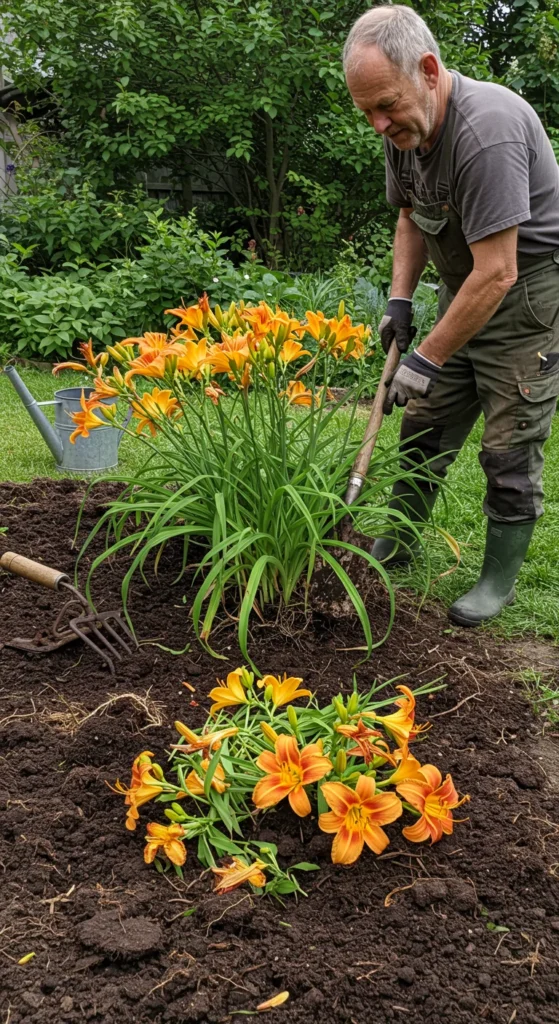
Every few years, perennials like hostas, irises, and daylilies grow crowded and bloom less. Dividing them rejuvenates the plants and creates free extras for other areas. Dig up the clump, split it into smaller pieces with a sharp spade, and replant them right away. It’s a quick way to expand your garden without spending a dime.
8. Deadhead Regularly
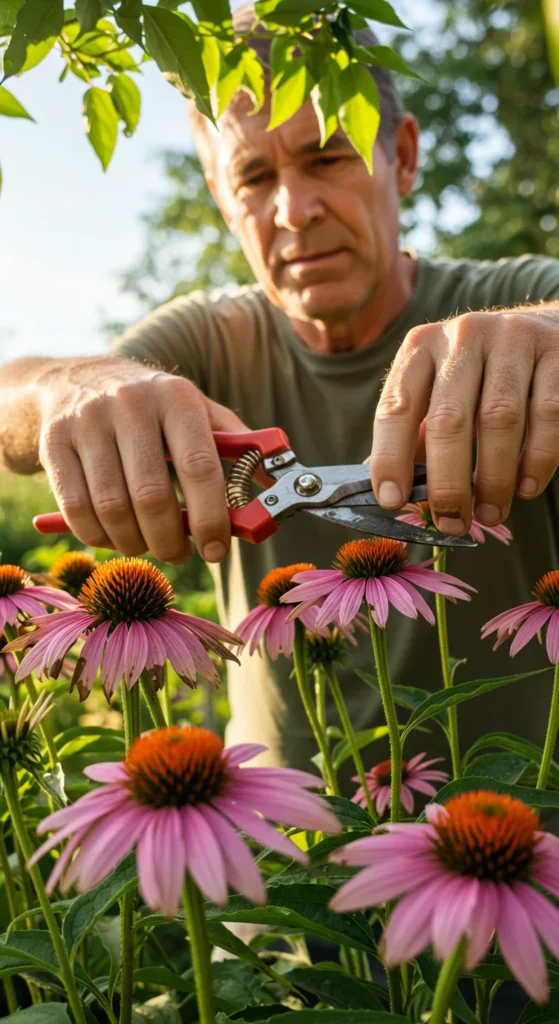
Removing spent flowers encourages plants to produce more blooms instead of setting seeds. Deadheading also keeps your garden neat. Use clean scissors or pruners, snipping just above a leaf node. Some perennials like coreopsis and salvia will rebloom multiple times when regularly trimmed.
9. Water Deeply, Not Often
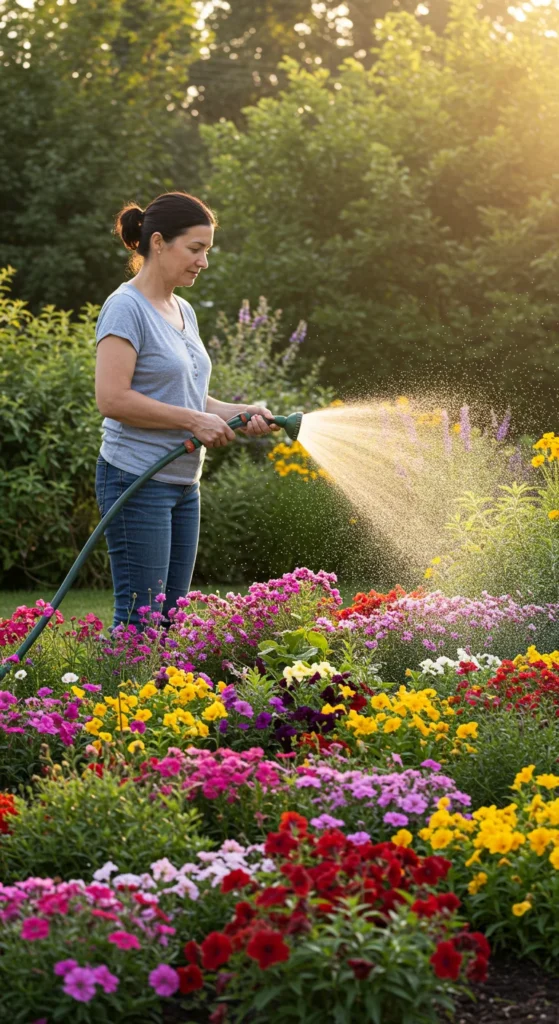
Frequent shallow watering trains roots to stay near the surface. Instead, water deeply once or twice a week to encourage deep root growth. Early morning is best—it reduces evaporation and helps prevent fungal diseases. Add a soaker hose for consistent, hands-free watering.
10. Mix Bloom Times
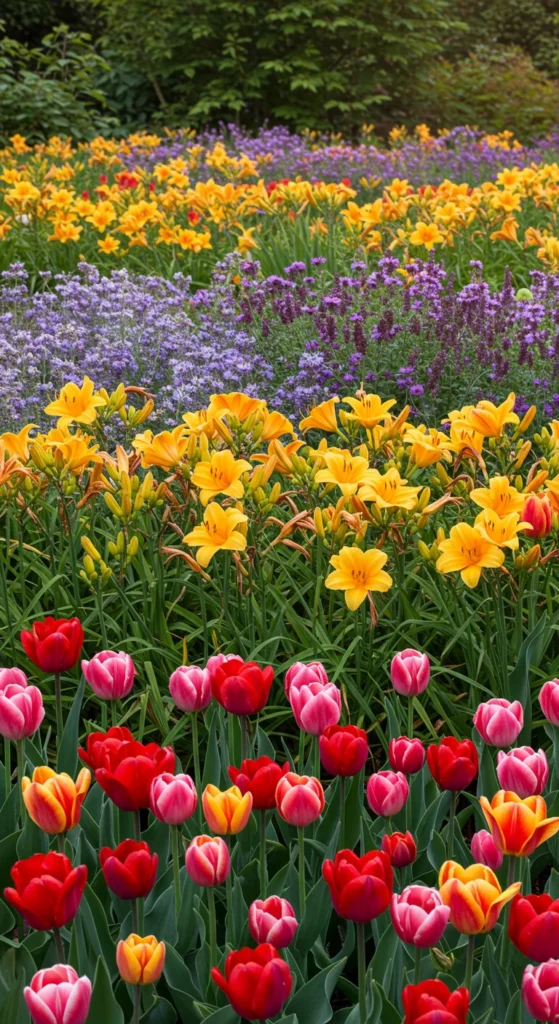
Plan your garden for sequential blooms. Combine early, mid, and late-season perennials so there’s always something flowering. For example, tulips bloom in spring, echinacea in summer, and sedum in fall. This staggered schedule keeps your garden colorful from March to October.
11. Add Evergreen Structure
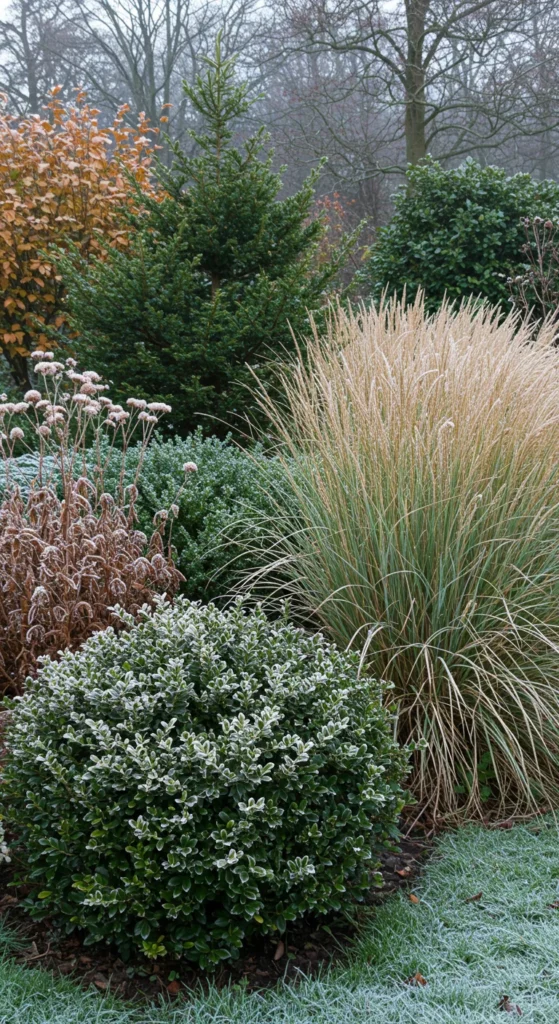
Winter doesn’t have to mean a dull garden. Plant evergreen shrubs, ornamental grasses, or hellebores for structure and color during the off-season. These elements keep your garden attractive when perennials rest, giving it shape and life year-round.
12. Prune at the Right Time

Each perennial has its own rhythm. Some prefer pruning in spring; others in fall. Cut back plants like hostas after frost, but leave ornamental grasses standing for winter interest. Always use clean tools and remove dead material to reduce pests and disease risks.
13. Use Compost as Mulch
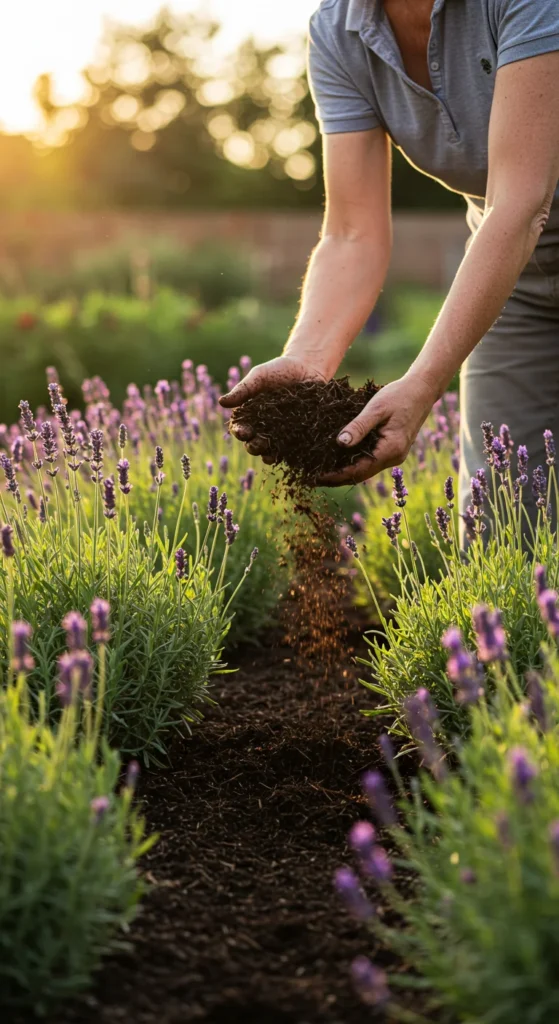
Skip bagged mulch occasionally and use compost instead. It feeds the soil while protecting it from temperature swings. Spread a thin layer around plants in spring—it’ll break down slowly and add nutrients over time. Composting keeps your garden eco-friendly and your perennials lush.
14. Add Support Early
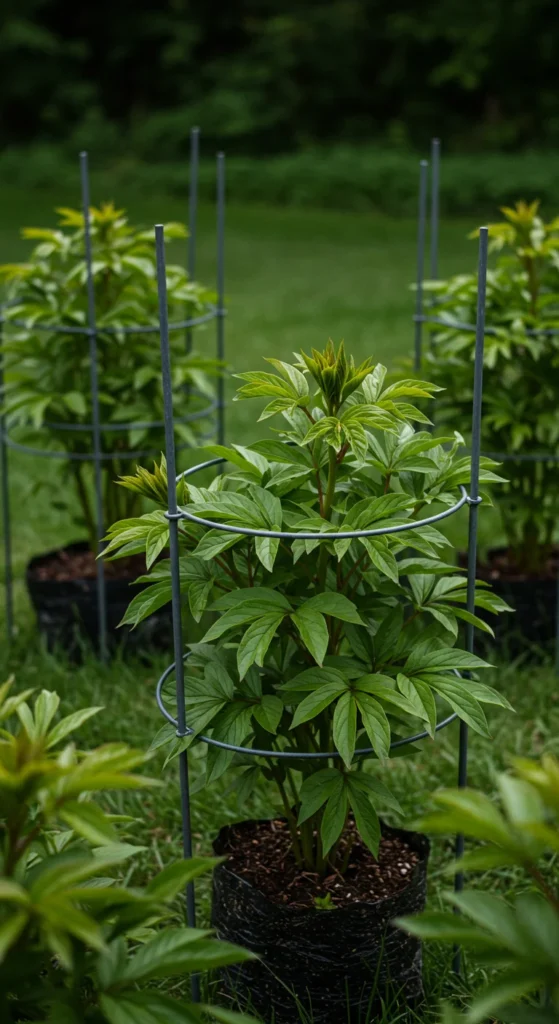
Tall perennials like peonies and delphiniums often flop when in full bloom. Add plant supports early in the season before they need it. Use bamboo stakes, hoops, or DIY wire cages. The foliage will hide the supports as the plants grow, keeping your garden tidy.
15. Control Weeds Consistently
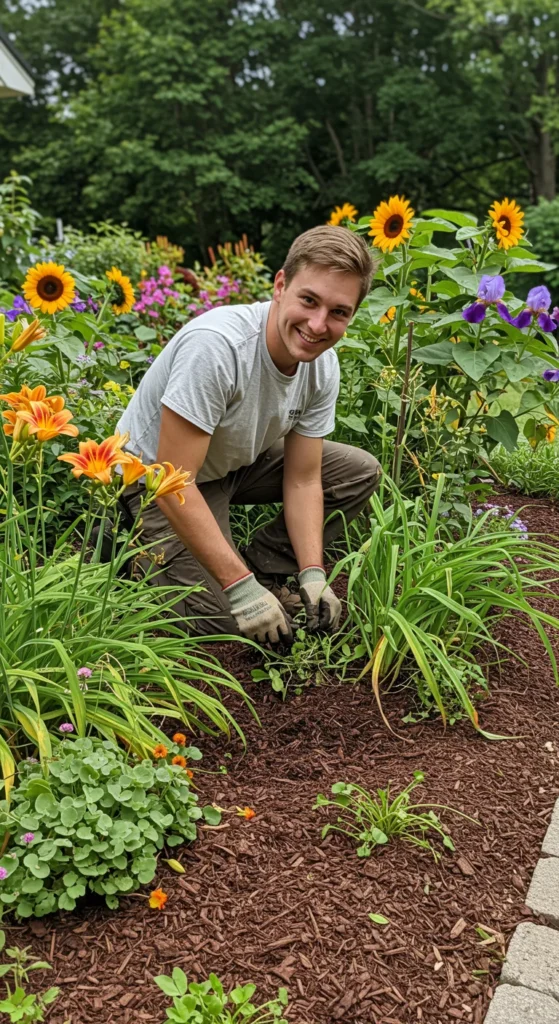
Weeds compete for water and nutrients. Pull them when they’re small before they spread seeds. A regular 10-minute weeding routine keeps maintenance easy. Mulching also helps minimize growth, saving you hours of cleanup later.
16. Choose Native Perennials
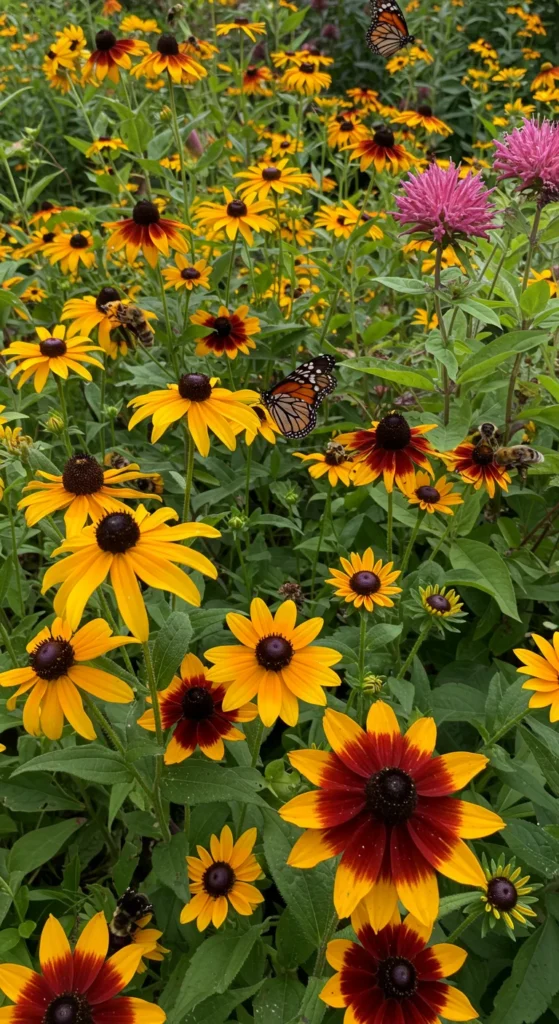
Native perennials are built for your local climate. They resist pests, thrive in native soil, and attract pollinators. Look for black-eyed Susans, milkweed, or bee balm depending on your region. These plants make gardening easier and more sustainable while supporting local wildlife.
17. Create Focal Points
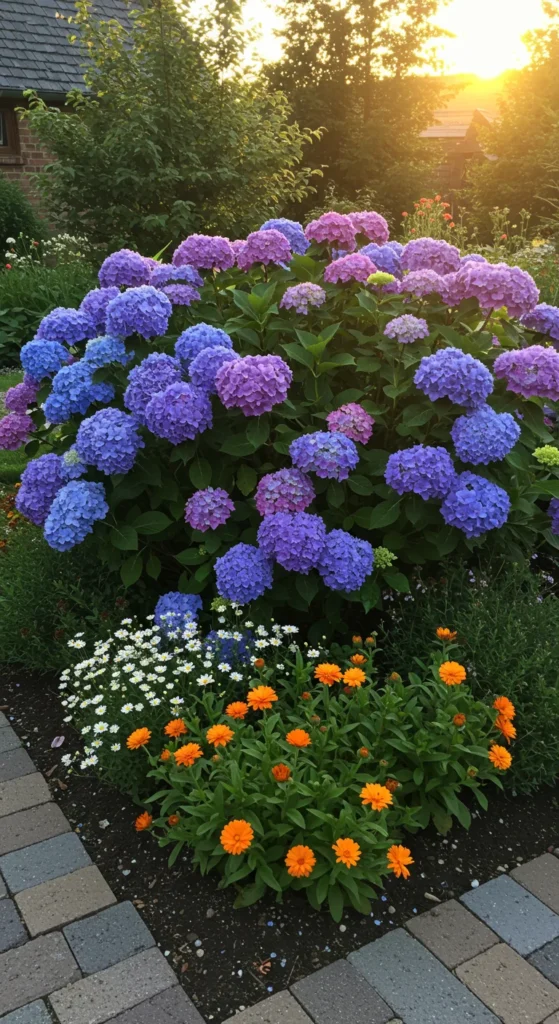
Every garden benefits from a showstopper. Use a bold perennial or striking feature plant as a focal point—hydrangeas, delphiniums, or ornamental grasses work well. Surround them with smaller companion plants to highlight the centerpiece. It adds balance and visual appeal to your layout.
18. Refresh Old Beds in Spring
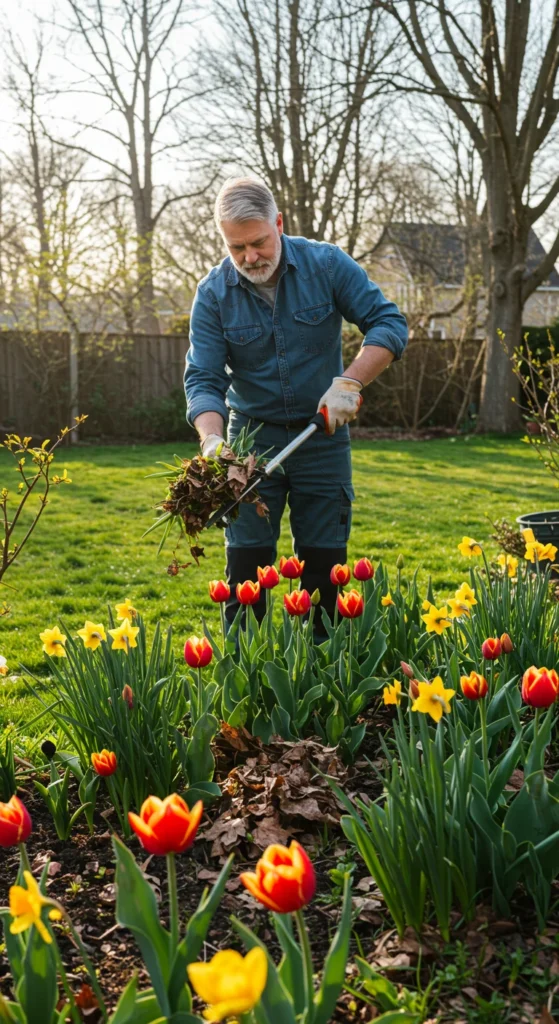
When spring arrives, tidy up your perennial beds. Remove old leaves, trim dead stems, and loosen compacted soil. Add fresh compost and mulch. This refresh gives plants room to breathe and prepares them for another vibrant growing season.
19. Add Pollinator-Friendly Plants
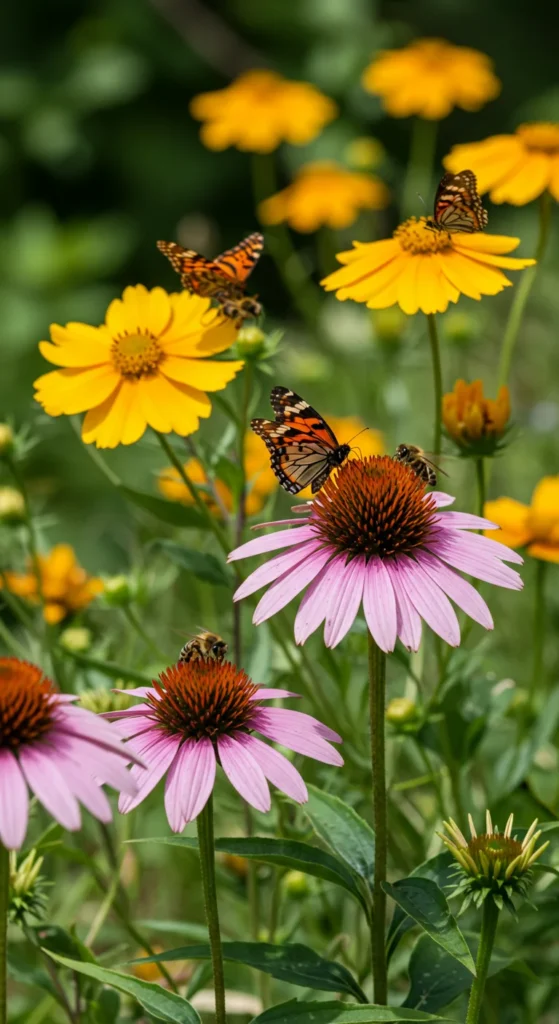
Attracting bees and butterflies helps your whole garden thrive. Include nectar-rich perennials like lavender, coneflowers, and salvia. Avoid pesticides that harm pollinators. The payoff? A colorful, buzzing garden that’s alive with activity and natural beauty.
20. Extend the Season with Late Bloomers
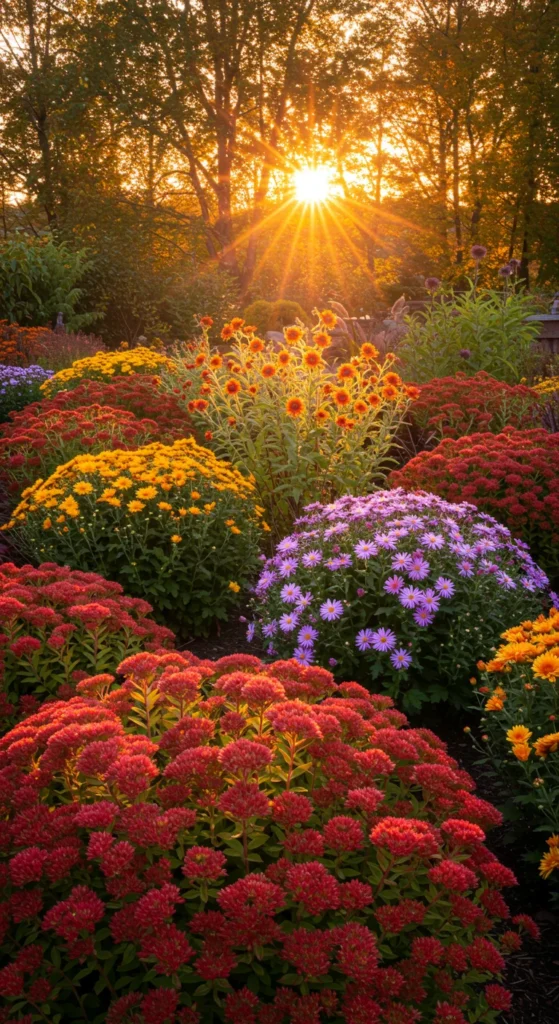
Add perennials that bloom into late fall, such as asters, sedum, and mums. Their deep hues keep your garden glowing when most flowers fade. Pair them with ornamental grasses for texture and movement during cool evenings.
21. Keep a Garden Journal

Tracking your garden’s progress helps you learn what works. Note bloom times, growth patterns, and plant health in a garden journal. Include photos for reference. Over time, these notes become your personalized guide to consistent, endless blooms.
Conclusion
Perennials are the heart of a lasting garden—they grow stronger with each passing year. By choosing wisely, caring seasonally, and giving them space to thrive, you’ll enjoy waves of color and texture that never quit. Whether your garden is big or small, these tips help you create a living masterpiece that returns brighter every year. 🌸
Leave a Reply