

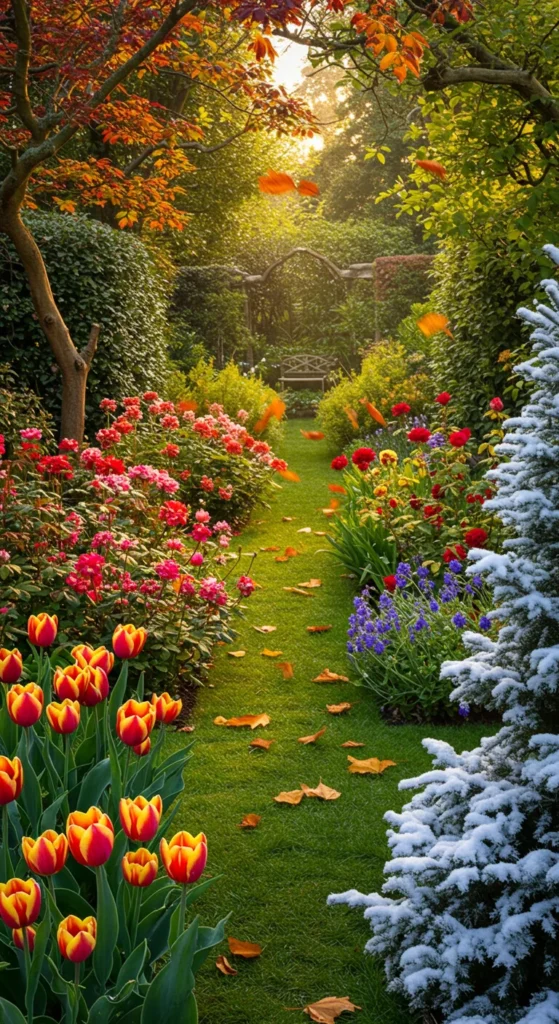
A beautiful garden isn’t just for spring. With smart planning and a few creative hacks, your space can look alive all year long. From prepping soil before the frost to choosing the right perennials, each season offers opportunities to keep your garden thriving. These 24 seasonal gardening hacks will help you create a yard that stays colorful, healthy, and full of life—no matter the month.
1. Start Seeds Indoors in Late Winter
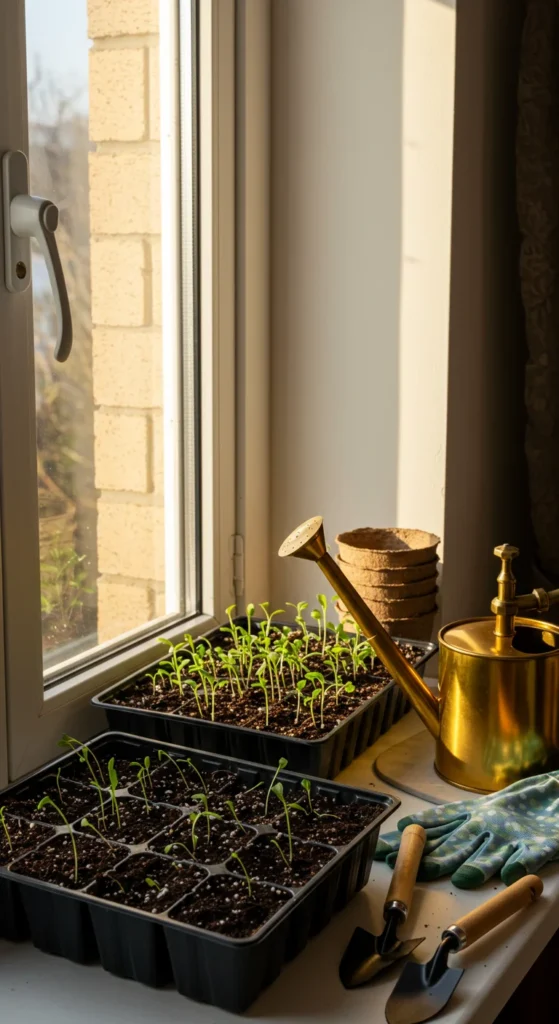
When snow’s still on the ground, get a head start indoors. Use seed trays or recycled egg cartons to plant vegetables and flowers early. Place them near a sunny window or under grow lights. This jumpstart means you’ll have strong seedlings ready for transplanting when spring arrives. Label each tray to stay organized. It’s an affordable hack that makes your garden thrive sooner.
2. Use a Seasonal Garden Planner
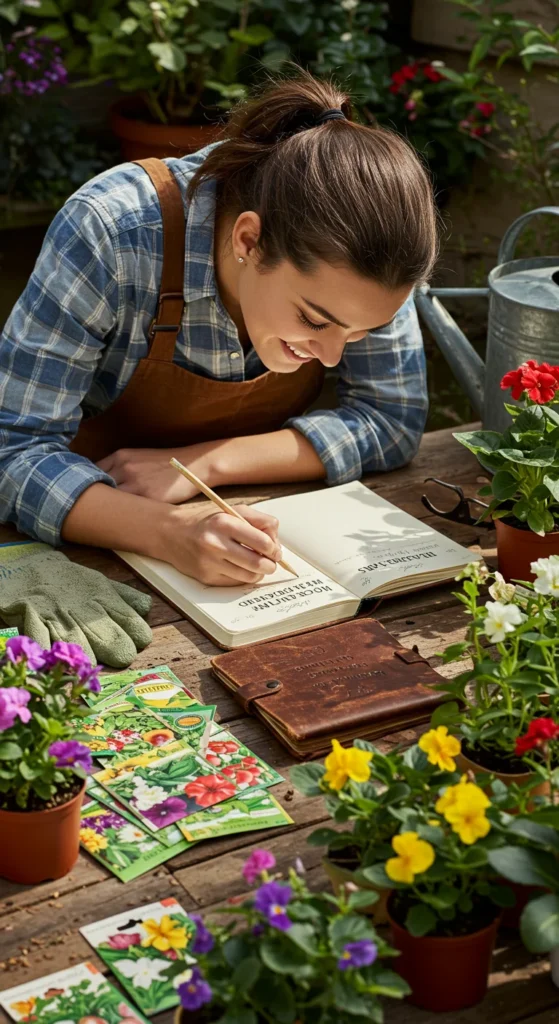
Keep your garden on track with a seasonal planner. Sketch out planting times, blooming periods, and maintenance tasks for each season. This helps you rotate crops, plan color flow, and avoid gaps in bloom. You can create your own notebook or print templates online. Planning saves money and keeps your garden vibrant all year.
3. Layer Bulbs for Continuous Blooms
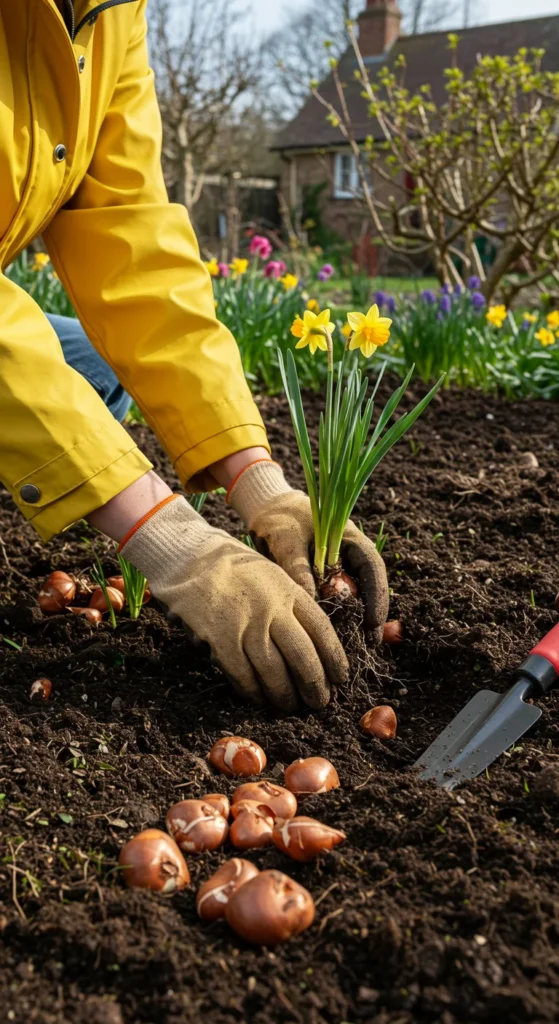
Try lasagna planting for lasting color. Stack bulbs like crocus (top), tulips (middle), and daffodils (bottom) in one pot or bed. They’ll bloom in sequence from early spring to late season. Use quality compost between layers and water well. This simple technique gives you months of flowers without extra space.
4. Feed Soil with Compost Every Season
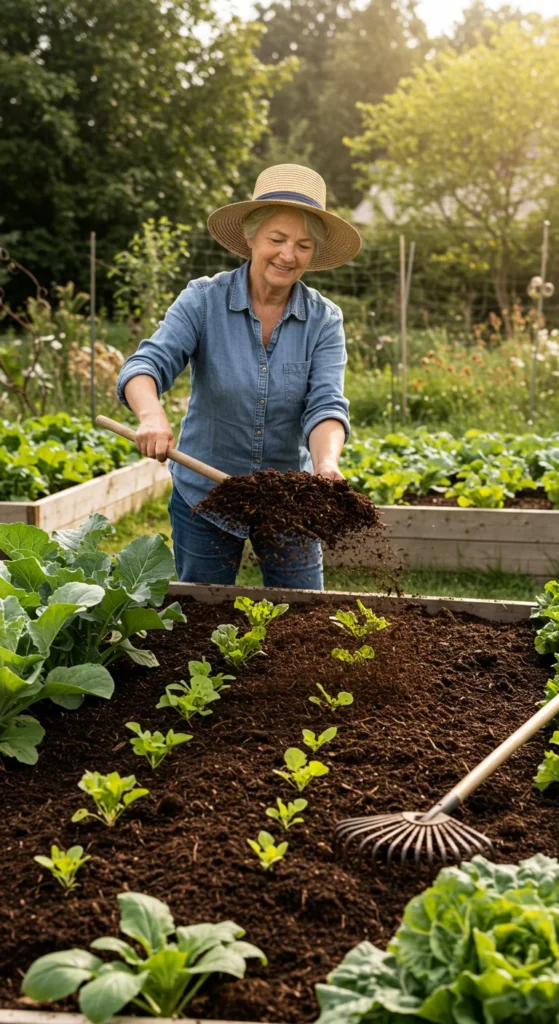
Healthy soil equals a healthy garden. Add organic compost at the start of every season to keep nutrients balanced. Mix kitchen scraps, grass clippings, and dry leaves for your own compost pile. Spread a thin layer around plants before watering. It improves texture, boosts growth, and supports beneficial organisms naturally.
5. Rotate Crops for Stronger Growth
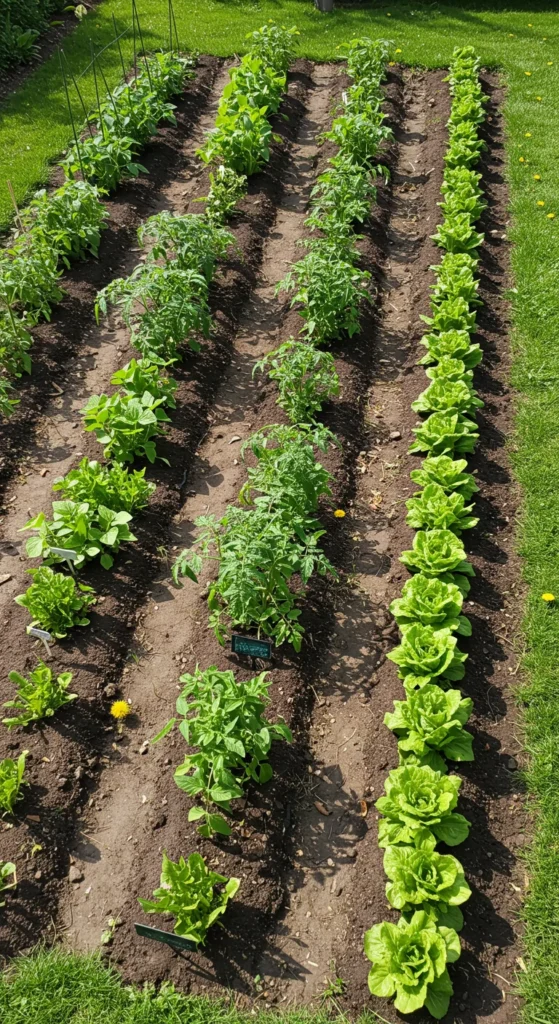
Avoid planting the same crops in one spot year after year. Crop rotation prevents soil depletion and reduces pest buildup. Move heavy feeders like tomatoes and squash to new beds annually. Replace them with legumes to restore nitrogen. This small shift makes a big difference in productivity and soil health.
6. Plant Perennials for Year-Round Color
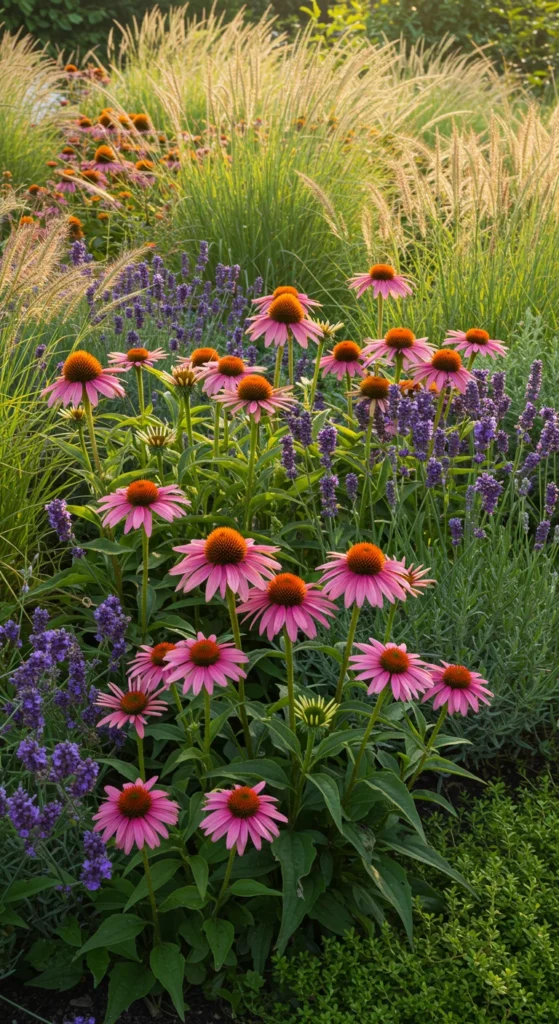
Perennials are your low-maintenance secret weapon. Once planted, they return year after year. Choose varieties that bloom in different months—like tulips in spring, daylilies in summer, and asters in fall. Add evergreen shrubs for winter texture. Perennials keep your garden full even when other plants fade.
7. Mulch Before and After Winter
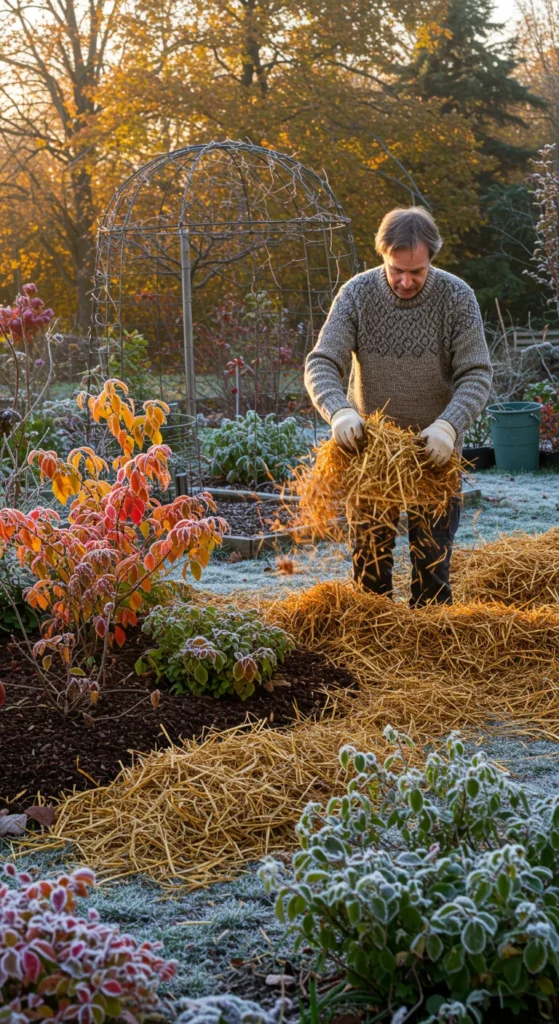
Mulch acts like a blanket for your soil. Spread it thick in late fall to protect roots from freezing, then refresh it in spring to keep weeds down. Use leaves, straw, or wood chips. It keeps moisture steady and helps your soil stay fertile all year.
8. Attract Pollinators in Every Season
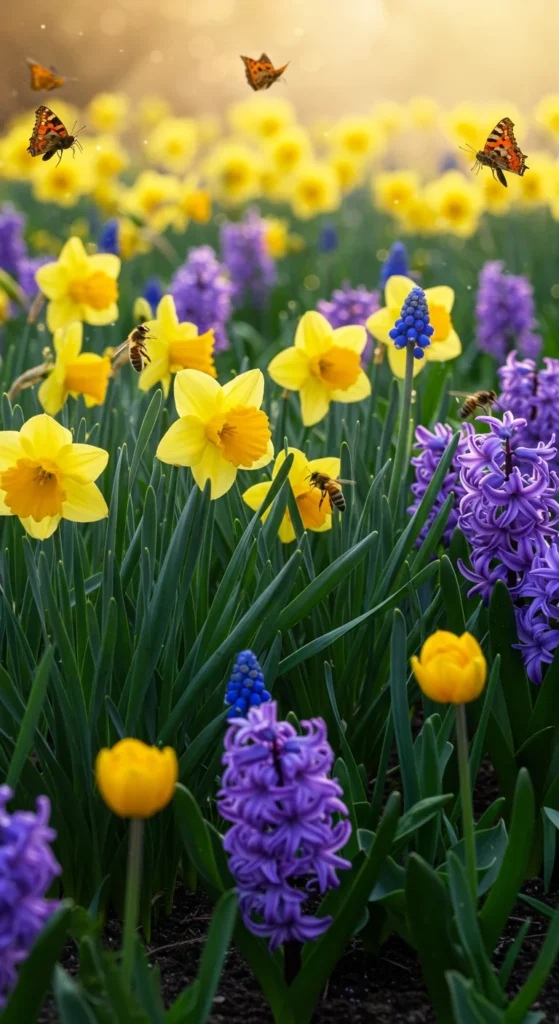
Pollinators keep your garden thriving. Plant nectar-rich blooms for each season—crocuses in spring, lavender in summer, and asters in fall. Leave some wild areas for native bees and butterflies. Even a small patch of flowers can make a big difference in your garden’s ecosystem.
9. Add Evergreens for Winter Interest
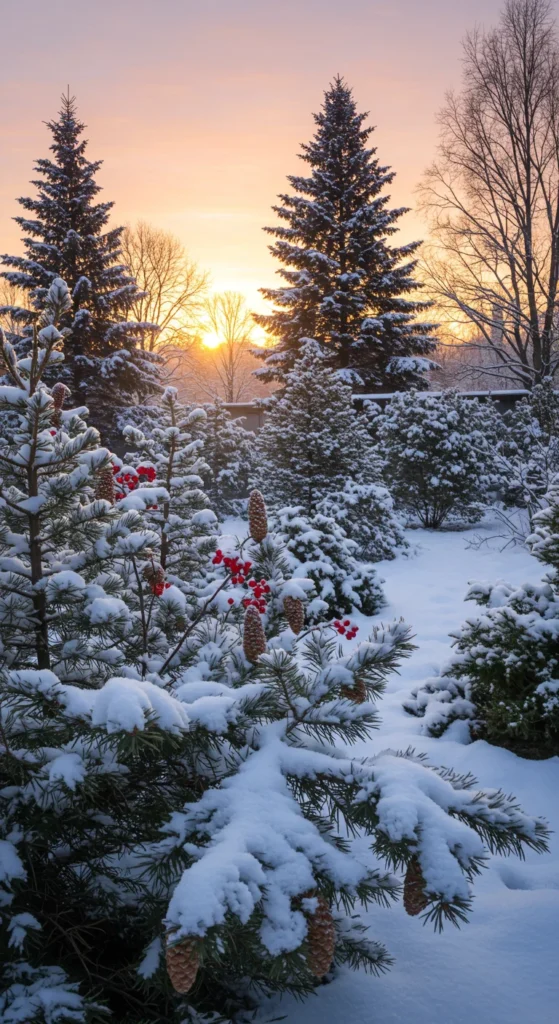
When everything else goes dormant, evergreens keep your space alive. Add shrubs like boxwood, juniper, or holly for color and structure. Their texture stands out beautifully against snow or frost. Mix them with ornamental grasses for contrast and year-round appeal.
10. Use Raised Beds for Seasonal Flexibility
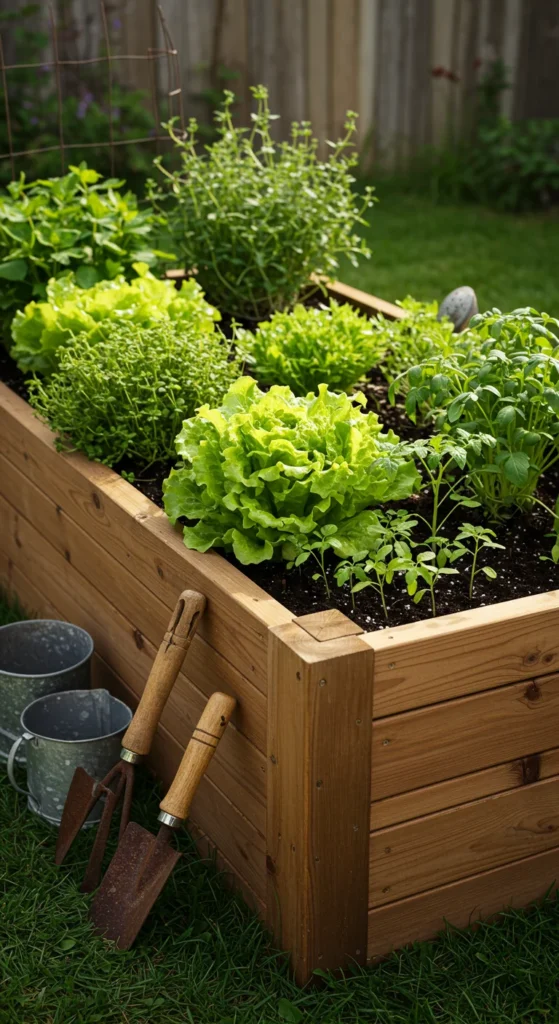
Raised beds warm faster in spring and drain better after heavy rain. They’re perfect for early planting and late harvesting. Build them from untreated wood or recycled materials. Add compost each season to refresh the soil. It’s an efficient way to extend your growing time and manage changing weather.
11. Prune at the Right Time
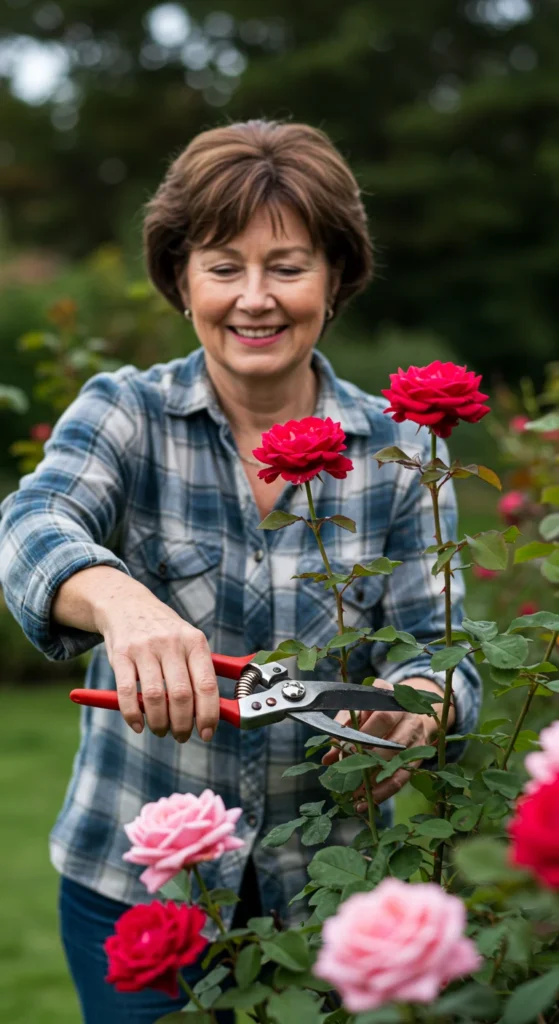
Timing matters for pruning. Spring-blooming plants should be trimmed right after they flower, while summer bloomers can be pruned in late winter. Always use clean, sharp tools to prevent disease. Regular pruning keeps plants healthy and shaped beautifully year-round.
12. Collect Rainwater for Every Season
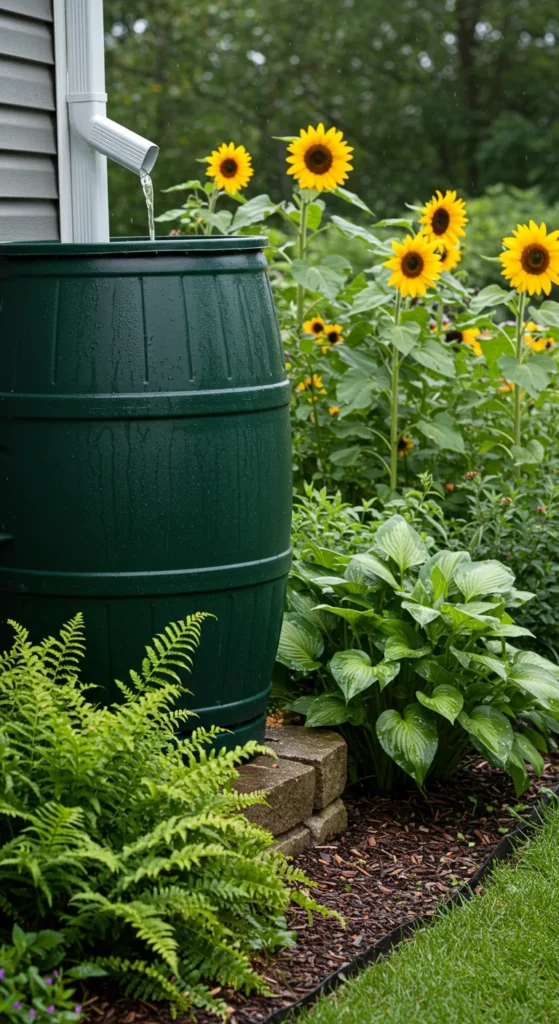
Save money and help the planet with a rainwater collection system. Use barrels to store runoff for watering during dry spells. Cover them to prevent mosquitoes and debris. Rainwater is gentle on plants and rich in oxygen—perfect for eco-friendly gardening.
13. Start a Seasonal Compost Routine
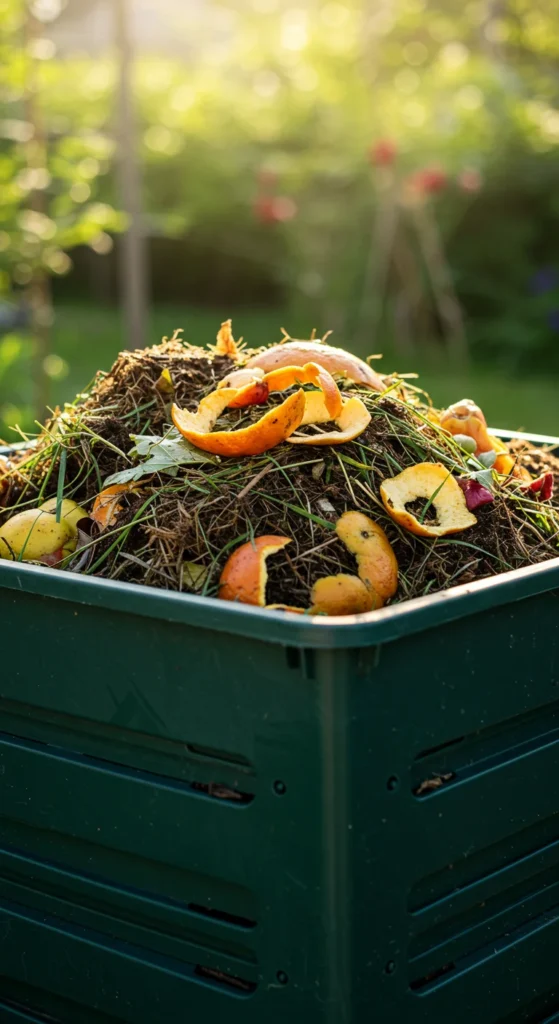
Adjust your compost ingredients by season. In spring, use green scraps like grass clippings. In fall, mix dry leaves for balance. Turn the pile monthly and keep it moist but not soggy. By winter, you’ll have dark, crumbly compost ready to feed next year’s beds.
14. Grow Cool-Season Veggies
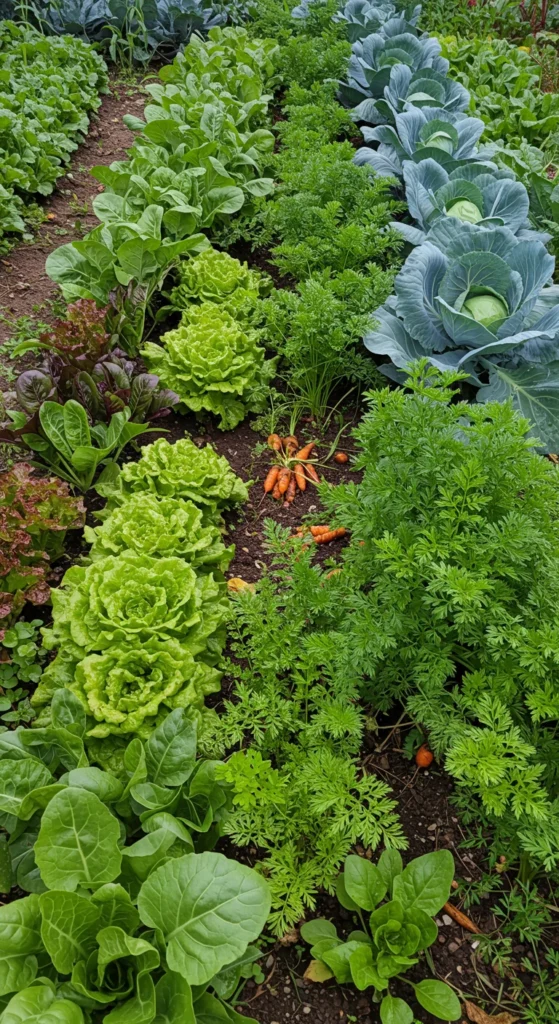
Don’t stop growing when summer ends. Plant kale, lettuce, broccoli, and carrots in late summer for a fall harvest. Use row covers to protect from frost. Cool-season crops are sweeter and more flavorful in chilly weather—plus they stretch your growing season.
15. Keep Containers Year-Round
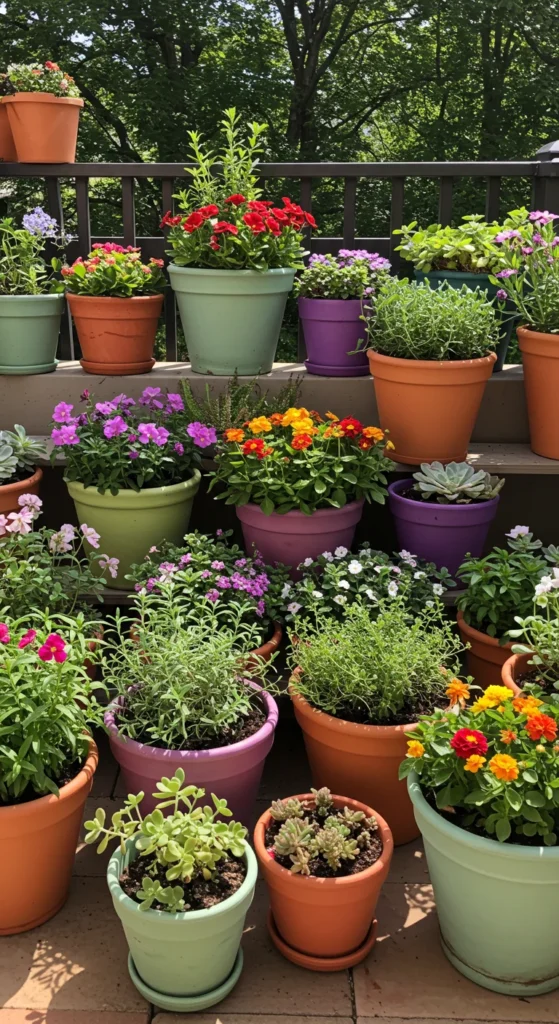
Containers are easy to refresh each season. In spring, fill them with pansies and herbs. Summer calls for petunias or zinnias. Come fall, add mums or ornamental cabbage. In winter, switch to evergreens and pinecones. Swap plants, not pots, for effortless beauty.
16. Divide Perennials Every Few Years
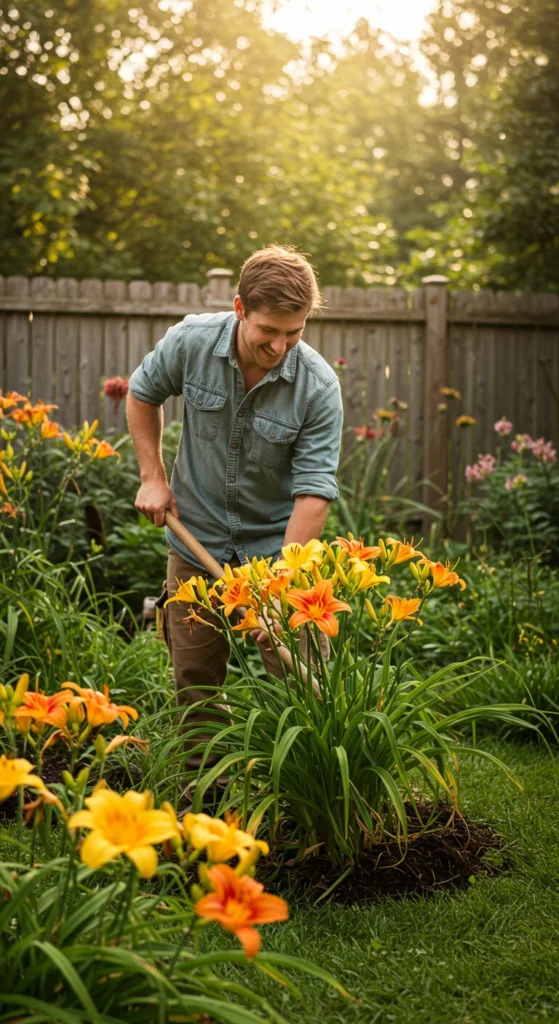
Perennials can crowd over time. Dig them up every few years and divide the roots. Replant the strongest sections and share extras with neighbors. This keeps your plants healthy, improves blooming, and helps you expand your garden for free.
17. Add Seasonal Décor
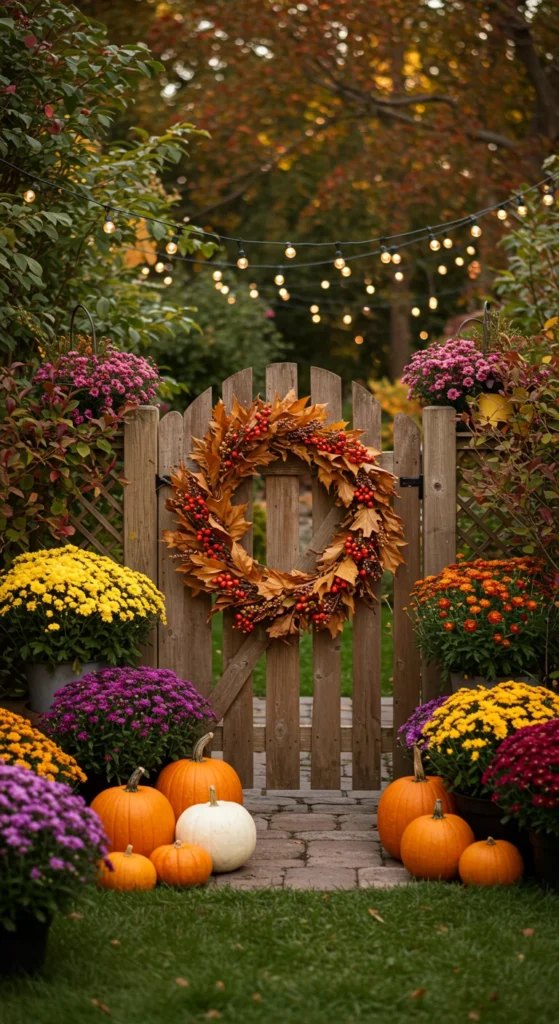
Use your garden as a backdrop for seasonal decorations. Add lanterns in winter, pumpkins in fall, and fairy lights in summer. It’s an inexpensive way to refresh your space without heavy maintenance. Little touches make your garden feel alive every month.
18. Protect Plants from Frost
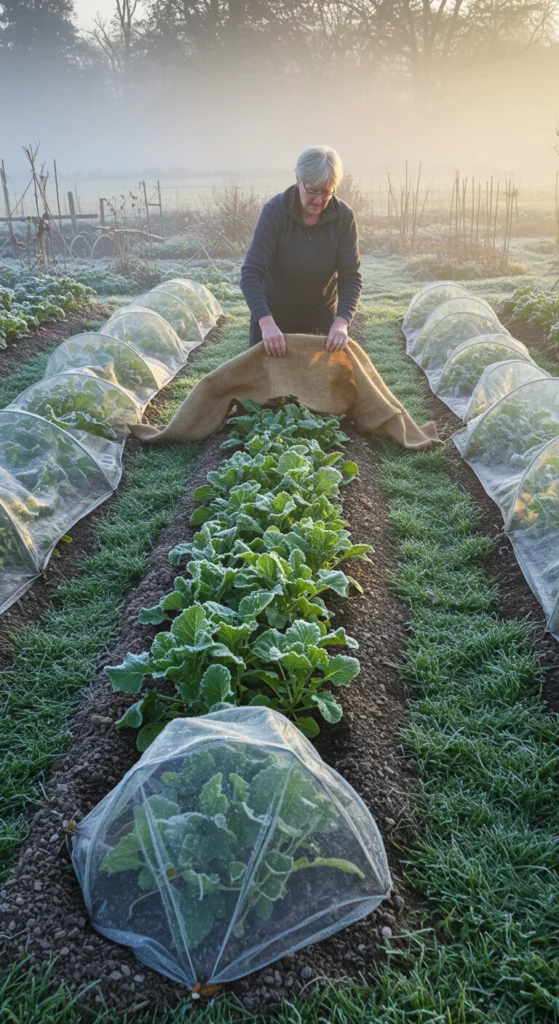
A sudden frost can damage tender plants. Keep row covers or burlap handy. Drape them loosely over plants overnight and remove them in the morning. Even buckets or cardboard boxes can work in a pinch. It’s a quick fix that saves your crops during cold snaps.
19. Grow Herbs Indoors During Winter
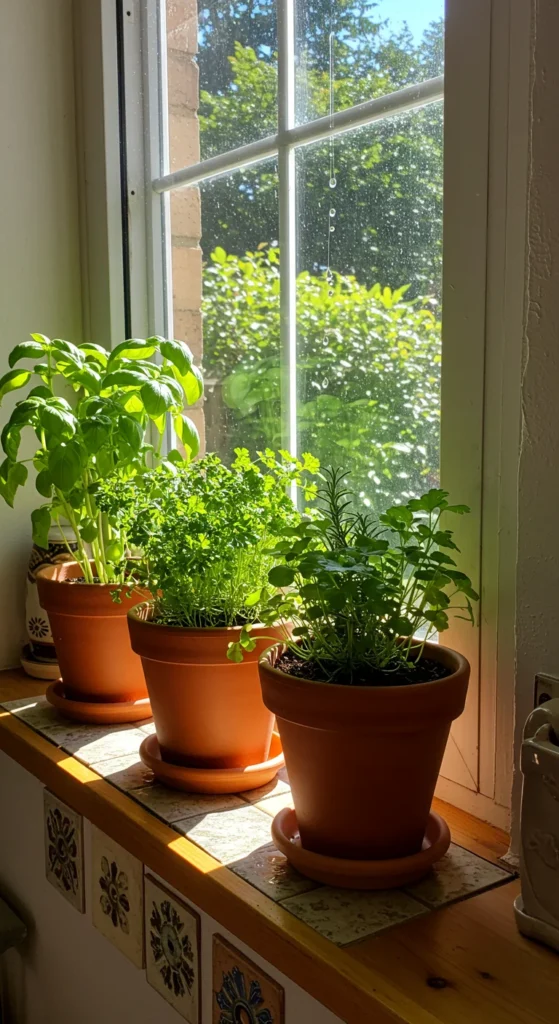
When the ground freezes, bring your herbs inside. Place pots near a sunny window and water lightly. Basil, mint, thyme, and chives grow well indoors. It keeps your kitchen stocked with fresh flavor while your outdoor garden rests.
20. Add Shade Plants for Hot Months
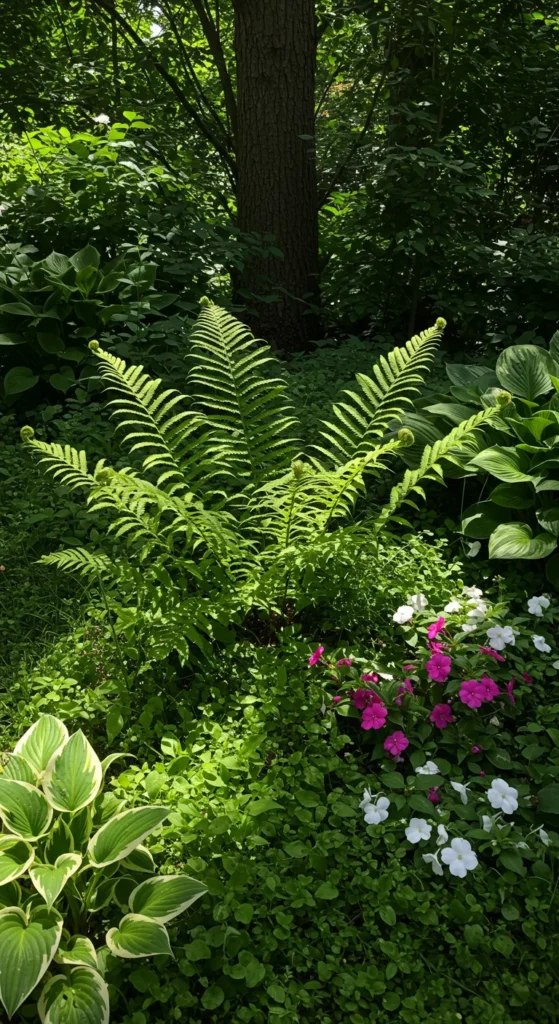
In summer, give shady spots attention. Add plants like ferns, impatiens, or hostas that love filtered light. Use mulch to retain moisture and prevent weeds. Shady gardens can be cool, calm retreats when the sun is strongest.
21. Keep Water Features Clean

Small ponds or fountains add beauty but can collect debris. Scoop out leaves weekly and clean filters regularly. Add floating plants to control algae naturally. Year-round upkeep keeps your water features sparkling and full of life.
22. Refresh Garden Edges Every Season
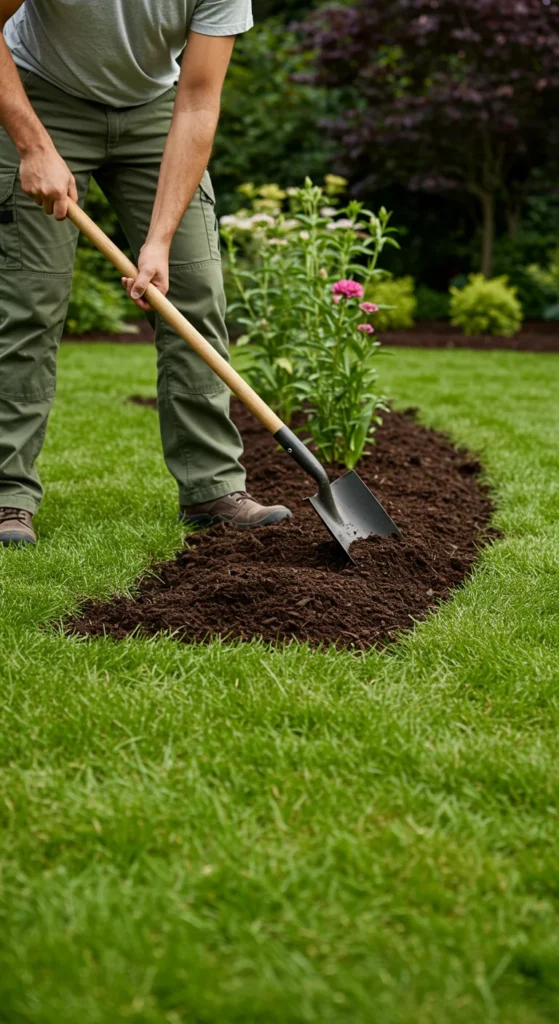
Clean edges make a big difference. Redefine your garden borders each season with a spade or edging tool. Remove weeds, add new mulch, and shape curves neatly. It’s a quick trick that instantly refreshes the look of your yard.
23. Swap Seasonal Accents
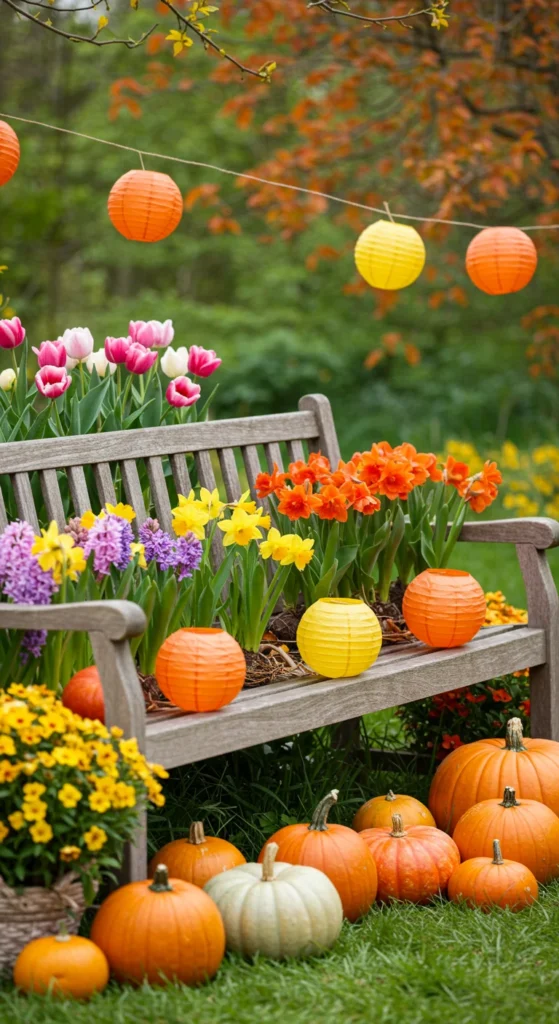
Rotate simple accents like cushions, signs, and pots to match the season. Use bright colors in spring, earthy tones in fall, and cozy lights in winter. These small updates make your garden feel fresh and dynamic without replanting.
24. Plan Ahead for Next Season

After each season, take notes. What thrived? What struggled? Plan next season’s improvements while it’s still fresh in your mind. Order seeds early and prep soil ahead. Gardening year-round is easier when you learn from each phase.
Conclusion
Gardens evolve with the seasons—and so should your approach. With these 24 seasonal gardening hacks, you can keep your yard blooming, colorful, and healthy no matter the weather. From indoor seedlings to winter evergreens, every month holds a chance to grow something beautiful. 🌸
Leave a Reply